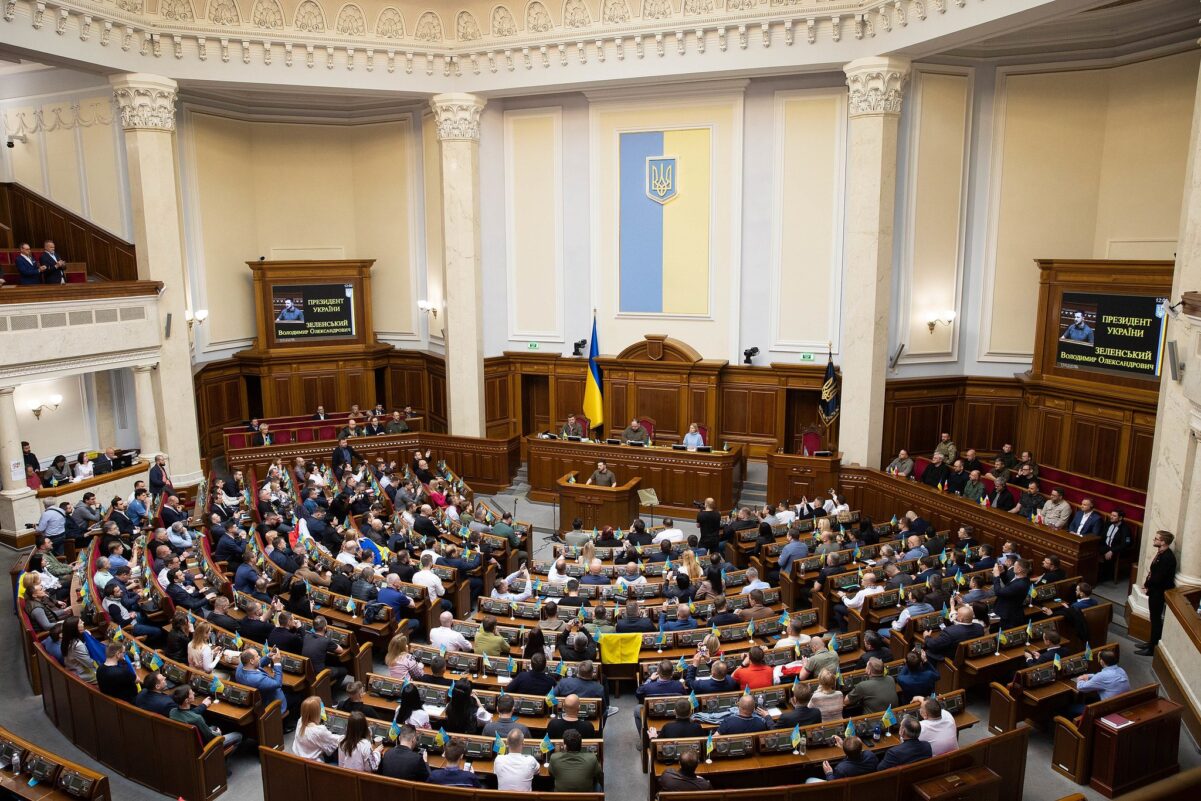
November That Exposed the Nerves of the State: How Combat Operations, Energy Strikes, Anti-Corruption Investigations and International Negotiations Shaped a New Reality for Ukraine
November 2025 became a month when the country simultaneously experienced escalation at the front, internal personnel upheavals, strikes on critical infrastructure, and the sharpest debates about possible peace conditions since the beginning of the war. Events overlapped, creating a new picture of reality where every word, decision, or attack began to affect not only the state’s political course but also the mood of society and its willingness to continue the struggle.
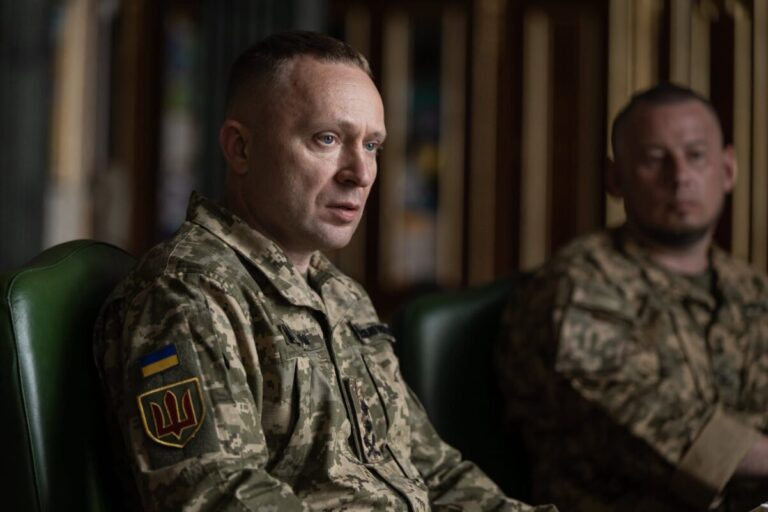
It all started on October 31, when special units of the Main Directorate of Intelligence conducted a sudden operation in the Pokrovsk districts. These territories remain key for Ukrainian logistics, so the landing of the assault force became not just a tactical step but a signal of changing dynamics in the eastern direction. The head of the GUR, Kyrylo Budanov, was present personally and directly stated that this operation “was the only way to turn the difficult situation around and allow the main forces of the Armed Forces of Ukraine to be brought in.” For many, this phrase became a marker of the seriousness of the situation: the question was not only about restraining the aggressor, but about preserving strategic corridors on which the stability of the front depends.
In November, internal processes no less significantly affected the country. “Ukrzaliznytsia” limited train traffic to Kramatorsk, effectively confirming that the situation in the region remained tense. People had to walk part of the route on their own, once again emphasizing how closely the war is intertwined with everyday life.
At the same time, Russia continued to systematically hit energy nodes. The attack on November 8 became one of the largest several regions were left without electricity, heat, and water. Transport was disrupted, trains were delayed up to nine hours, and cities switched to emergency mode. Then-Energy Minister Svitlana Hrynchuk emphasized that this was “one of the largest direct ballistic missile attacks on energy facilities.”
Against this background, the state was shaken by a NABU investigation: on November 10, investigators announced the exposure of a large-scale corruption scheme in Energoatom. It was about control over financial flows, systematic kickbacks, informal “supervisors,” and the scale of the case became a reflection of the long-standing conflict between the country’s defense needs and old schemes that still take root in the public sector. The case involved well-known names, including Tymur Mindich and Herman Halushchenko. Already on November 12, the government removed Halushchenko from office.
But the hardest blow to public sentiment was the hit of a Russian X-101 missile on an apartment building in Ternopil. Thirty-four dead, dozens injured a tragedy that once again showed that Russian strikes on civilians remain a deliberate tactic of terror.
On the international arena, the situation was no less alarming. On November 20, the media published the list of a possible peace plan, which, according to journalists, was developed by the US and Russia. The document contained provisions to which Ukraine could not agree without losing its sovereignty. In particular, the restriction of the Armed Forces of Ukraine to 600,000 people, de facto recognition of Russian control over part of Ukrainian territories, and prohibition of joining NATO.
President Volodymyr Zelensky, reacting to this data, said in an address: “Either the difficult 28 points, or an extremely hard winter the hardest and further risks. Life without freedom, without dignity, without justice. And so that we believe in someone who has already attacked twice.” These words effectively outlined the framework of the discussion: the price of peace may be higher than the price of continued resistance.
Against this backdrop, the United States gave Ukraine a week to decide. But European leaders directly stated that they would not support a plan that contradicts the principles of international law and confirmed their “unchanged and full” support for Ukraine.
Simultaneously, another political shift occurred inside the country. On November 28, the head of the Presidential Office, Andriy Yermak, resigned after NABU searches as part of Operation “Midas” and publicity about possible corruption ties in defense procurement. Zelensky said he wants a “reset of the Office” and wants “no one to have questions for Ukraine.”
Frontline and political processes directly affected recruitment sentiments. According to Lobby X, in November, the platform received 21,575 responses to military vacancies a bit fewer than in October. The number of vacancies also decreased, indicating structural changes in the staffing system. At the same time, interest in combat professions increased 31% of all candidates, as well as the share of women who responded to vacancies 10%.
Staff positions were popular, as well as areas requiring IT competencies and work with UAVs. Infantry, which for a while disappeared from the list of vacancies, returned a sign that the need for personnel at the front remains high.
November ended with another large-scale attack on November 29, when Russia shelled Kyiv, Chernihiv, Sumy, Poltava, and Kharkiv regions. In the capital, two people died, twenty-nine were injured. Hundreds of thousands of consumers were left without electricity, again raising the question of the resilience of the energy system in winter.
The final point of the month the negotiations between Ukraine and the United States in Florida. There, the parties discussed possible frameworks for a peace agreement. The US insisted on finding options that could persuade Russia to agree to negotiations, but the open question remained whether any such proposals can correspond to Ukraine’s national interests.
Post List

Summing up, November showed how multidimensional Ukrainian reality has become. On one side the front, logistics, energy strikes, the need for quick decisions and reactions. On the other political crises, anti-corruption investigations, the search for international support, and determining the position under different pressures.
If you analyze the situation from the perspective of political analysis, the country lives in a mode of constant balancing between three key vectors: preserving territorial integrity, internal resilience and institutional cleansing, and searching for an acceptable international peace formula that does not turn hard-won freedom and subjectivity into a political compromise. November was another reminder: Ukraine’s future is decided not in one office or on one front, but simultaneously in military, diplomatic, economic, and societal dimensions. This is a process that requires endurance, sobriety, and the ability to draw clear, albeit painful, lines of demarcation between what is acceptable and what becomes a threat to statehood.
About the Author

Related posts:
 Putin, Trump, and the Peace Plan: What Lies Behind the New Negotiations and Why Kyiv Responded with a Firm “No”
  Coalition of the Willing: The New Ukraine Support Plan, Its Real Details and Challenges
  Joint Control over Zaporizhzhia NPP: Political Adventure or Technical Dead End?
  Heating Season 2025/2026: Is Ukraine Ready for New Energy Challenges?