Army Reform: Will New Contracts, Payments, and Rotations Change the Approach to Service and Mobilization
The Ukrainian military leadership is preparing changes that are expected to affect not only the conditions of service but also the very principle of how the army is formed. In May, key details are being finalized, and the launch of the reform is scheduled for June. The first results are expected within the next months, primarily in the area of financial support for servicemen. Time for Action has analyzed that the new model is based on three main elements: financial support, the contract system, and regulation of service conditions. Each of them is intended to address a separate problem that has accumulated over the years of the full-scale war.
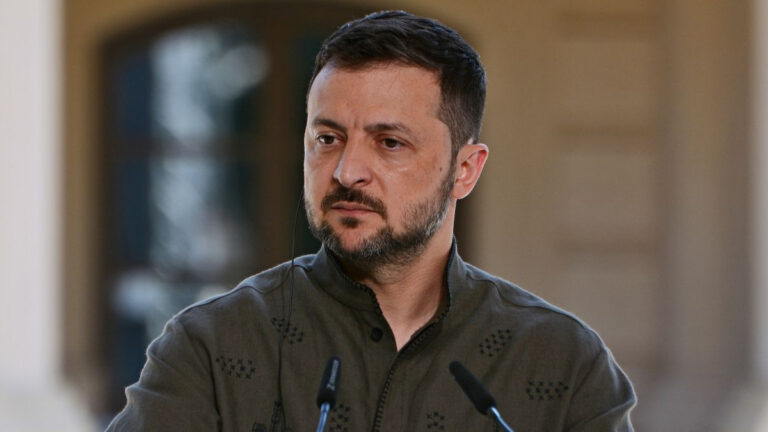
The financial component is becoming central. President Volodymyr Zelenskyy announced the need for a significant increase in payments, taking into account the real contribution of each serviceman. The base level for rear positions is expected to be at least 30,000 hryvnias, while those performing combat tasks will receive significantly higher pay. Special emphasis is placed on infantry units. These forces carry the greatest burden on the front line, and separate contracts are being proposed for them, with payments ranging from 250,000 to 400,000 hryvnias depending on the execution of combat tasks.
“A Ukrainian infantryman who holds the front line must feel that the state truly respects him”
This approach reflects a shift in logic from equal payments to a differentiated system where risk, experience, and effectiveness become decisive factors.
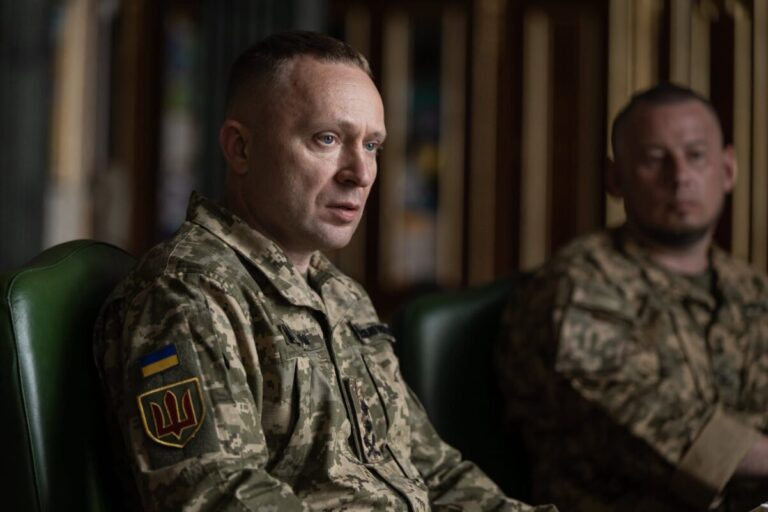
The second element of the reform is the contract system. This involves expanding the share of personnel serving under contract and introducing clearer service terms. This is one of the most sensitive issues for servicemen and their families, as uncertainty about the length of service remains a major source of tension. Specific terms have not yet been announced, but the very inclusion of this issue in the reform indicates an attempt to move toward a more predictable model. A contract is expected to become not just a formality but a real tool for planning military service. The third direction is rotations. Commander-in-Chief of the Armed Forces of Ukraine Oleksandr Syrskyi signed an order on mandatory rotation of servicemen performing tasks on the front line. It states that time spent on positions should not exceed two months, followed by mandatory replacement within one month.
“Commanders must ensure that servicemen remain in positions for up to two months with subsequent mandatory replacement”
This decision is aimed at reducing exhaustion among personnel, but its implementation depends on the availability of reserves. Commanders directly point to a shortage of personnel and the difficulty of meeting such requirements under real combat conditions. In some units, soldiers remain in positions much longer due to the constant monitoring of the battlefield by drones and the intensity of fighting.
At the same time, discussions continue regarding mobilization and the role of territorial recruitment centers. The idea of eliminating these centers periodically appears in public discourse, but military leadership emphasizes that changing the structure will not solve the problem if there are not enough people to replenish the army. Incidents related to conflicts around mobilization are increasing social tension. An attack on recruitment officers and law enforcement in the Rivne region, where a man opened fire and injured people, shows that the situation is moving beyond public debate and taking on a dangerous dimension. At the same time, politicians and experts express different views on the financial aspect of the reform. On one hand, there are doubts about the availability of funds in the budget. On the other, there is an understanding that increasing payments to servicemen is inevitable, especially given rising salaries in other law enforcement structures. The reform also предусматривает changes in approaches to personnel management and unit staffing. The goal is to build a more flexible system that takes into account military experience, effectiveness, and real needs on the front line.


All these changes share a common objective to make military service more understandable and predictable. However, the key limitation remains unchanged the shortage of personnel. It is this factor that will determine how realistic the implementation of new rules will be. Higher payments may increase motivation, contracts may provide a sense of stability, and rotations may reduce exhaustion. But without a sufficient number of servicemen, these mechanisms will only work partially. The reform appears to be an attempt to shift the balance between compulsory and voluntary elements of service. Whether this becomes a full reset of the system depends on whether the state can not only announce new rules but also ensure their implementation.
About the Author

Related posts:
 Military Training for Medical Students and Contract Service after 60
  Monthly Reporting for Ukrainian Sole Proprietors: Why the Reform Failed and What Will Change in 2026
  Open Banking in Ukraine: How Cashless Payments Will Change from August 2025
  Tax Reform as a Political Compromise: What May Change and Why It Triggers Resistance