Summit in Beijing: between economic truce and geopolitical bargaining
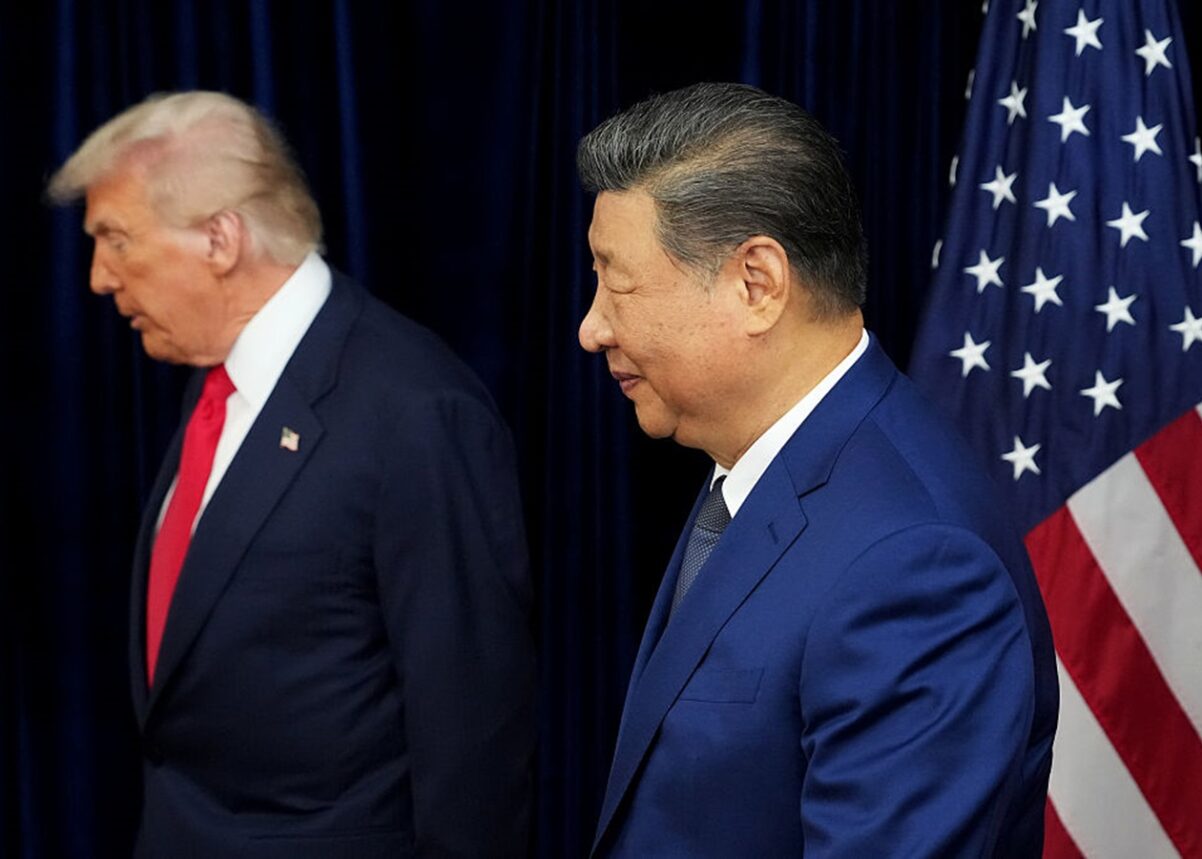
US President Donald Trump arrived in Beijing for talks with Chinese leader Xi Jinping, which will take place on May 14-15. This visit marks the first in-person meeting between the two sides in more than six months and comes at a time when both states are trying to maintain control over relations that remain strained due to trade restrictions, technological disputes, and competition for influence in strategic sectors.
Time for Action has analyzed that the key issue of the is not finding a compromise, but an attempt to fix a temporary stability in relations where neither side is ready to give up strategic interests. The economic dimension is central. It concerns tariffs, export controls, access to critical resources, and attempts to prevent further escalation that is already affecting global markets.
In Beijing, there is a clear demonstration of readiness for negotiations, but at the same time a reminder of its own strong positions. China controls a significant share of global extraction and processing of rare earth elements used in the production of technologies, from smartphones to defense equipment. This gives Beijing leverage that can be used at any moment. The United States, for its part, is trying to maintain pressure through sanctions, export restrictions, and control over advanced technologies. In recent months, tensions have intensified due to a US court decision on tariffs, which partially limited the administration’s capabilities. This forced the sides back to negotiations in order to avoid further destabilization. A number of economic agreements are expected to be signed. These include purchases of US agricultural products and Boeing aircraft, as well as the creation of new formats for trade and investment. These arrangements appear as an attempt to reduce tensions, but they do not resolve fundamental disagreements.
A separate place in the talks is occupied by the issue of Iran. The United States seeks to involve China in influencing Tehran, given its dependence on Iranian oil. At the same time, Beijing does not show readiness to act without reciprocal concessions. The situation is complicated by sanctions against Chinese companies and accusations of supporting Iranian military capabilities. The issue of the Strait of Hormuz also remains in focus. A significant share of global energy supplies passes through it, and both sides are interested in restoring stability. However, real actions depend on how far the sides are ready to make concessions in the broader economic and technological confrontation. The Taiwan issue is no less sensitive. China insists on reducing US military support for the island. The American side has already approved large arms packages, but some decisions have been postponed to avoid disrupting the negotiations. For Beijing, this is a fundamental issue directly linked to security and territorial claims.

Ukraine is also present on the agenda, but not as a central topic. The United States plans to raise the issue of China’s support for Russia, but expectations of concrete decisions remain limited. Beijing does not show readiness to change its position, viewing this issue as part of a broader diplomatic game. In addition, the sides will discuss artificial intelligence, nuclear security, and the creation of communication channels to prevent conflicts in the technological sphere. However, these topics are unlikely to receive detailed elaboration. The summit in Beijing demonstrates the intention of both states to avoid sharp escalation, but at the same time confirms that rivalry remains the defining factor in their relations. A possible short-term reduction of tensions does not change the overall picture: the United States and China continue to compete for influence in technology, the economy, and security, and neither side is ready to step back from its long-term goals.
About the Author

Related posts:
 Trump-Xi Summit in Beijing: Iran Changed the Agenda Between the United States and China
  China, Russia, and the New Global Balance: What “Unacceptability of Russian Defeat”
  EU Sanctions Against China: How the West Responds to Technological Support for Russia in the War Against Ukraine
  Silent Distrust: What the FSB Really Thinks About China