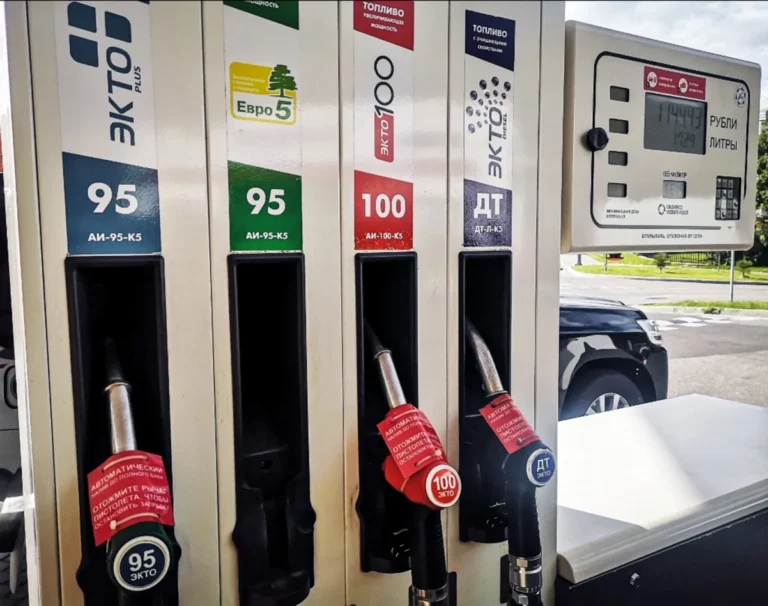
Fuel Prices Rise Without a Shortage: How Panic Spins Up Costs and What Is Really Driving the Market
Time for Action looked into why fuel prices in Ukraine have moved upward even though no physical shortage has been recorded. The key driver of the current increase is not a lack of supply in storage or a breakdown in deliveries, but surge demand that triggers a chain of rapid decisions at gas stations and in wholesale quotations.
The start of the wave coincided with a sharp escalation in the Middle East and talk of risks to the Strait of Hormuz. For Ukrainian consumers this sounded like a signal to “make it in time,” and the reaction was typical for a market that has lived through shortage episodes in previous years: people массово went to fill their tanks. Then a self-reinforcing mechanism kicked in the more cars at the pumps, the stronger the feeling of threat, even if it is not backed by real disruptions in supply. According to Serhii Kuiun, director of the A-95 consulting group, there is no physical shortage of fuel in Ukraine. Retail networks have reserves of gasoline and diesel, and after the end of the мороз the supply of diesel has even increased. The problem is different: reserves at gas stations are designed for predictable demand, not for mass stockpiling. When fuel sales through gas stations rise by 50% in a few days, and in some chains even more, inventories start shrinking faster than they can be replenished at retail. This is what creates нервозність across the chain from logistics to price boards.
The price effect is already visible. Kuiun estimates that panic has added at least 5 hryvnias per liter to the retail price. The important point in this assessment is that the rise does not look like a reaction to “empty” tanks or stopped deliveries. It looks like a premium that appears when the market cannot absorb a sudden demand shock and starts insuring itself through price. At the same time, Ukrainian networks feel pressure from external pricing. International traders and producers react to risks of supply cuts and build that into quotations. For an import-dependent market this means that even with normal physical availability, the price can move faster than consumers would like. In such a situation, every escalation headline becomes a factor not only for exchanges but also for the psychology of participants in the supply chain.
It is also important to separate Ukraine’s “panic premium” from what is happening to global oil. After US and Israeli strikes on Iran, oil prices rose by about 1%: Brent climbed to $82.31 per barrel, and WTI to $75.19. That is a moderate move for events of this scale, and it does not look like global panic in which the market expects an immediate collapse of supply. The Strait of Hormuz risk remains central because about one fifth of global oil and liquefied gas supplies pass through it, but at this stage expectation is doing more work than fact. Donald Trump also said the US Navy is ready to escort tankers through the strait if needed, which also reduces the temperature of the “instant collapse” scenario. Here the time scale matters. Kuiun stresses there are currently no grounds for panic because physically nothing in the wider world can change dramatically in three days. He also notes that global production is not limited to the Gulf states, and that Europe has a 90-day reserve of fuel and oil. This does not mean escalation in the Middle East cannot hit prices. It means the current wave at Ukrainian pumps looks like a pre-emptive reaction in which the market pays for fear rather than for shortage.


A separate line in this story is Russia, which in theory could have benefited from higher oil prices but faced its own export problems. Reuters reports that the Sheskharis oil terminal in the port of Novorossiysk was shut after a Ukrainian drone attack caused a fire at the fuel terminal. In March the terminal was expected to load about 500,000 barrels per day, and resuming operations is expected no earlier than March 5-6. Winter storms and icing further complicate the situation by reducing throughput at Baltic ports and blocking alternative routes. In parallel, European authorities have stepped up detentions of shadow-fleet tankers, and Ukraine on February 13, 2026 imposed sanctions on 91 vessels used to transport oil and petroleum products from Russian ports to third countries.
In the end, the current rise in fuel prices in Ukraine looks like a combination of two factors. The first is psychological, when fear and surge demand quickly consume retail reserves and add an extra premium. The second is external, when international quotations include a risk premium because of escalation in the Middle East. The difference between these factors matters, because the first can disappear as quickly as it appeared if demand returns to normal. The second depends on how events develop in the region and can remain in the price for longer. The main conclusion is simple: the current wave at Ukrainian gas stations does not look like a story of real shortage. It looks like a story of how panic itself creates more expensive fuel, and how the market adjusts to fear faster than to facts.
About the Author

Related posts:
 Fuel prices are rising: how geopolitics, currency movements and winter are jointly pushing costs higher in Ukraine
  Oil and Fuel Market in Ukraine: Geopolitical Pressure, New Risks, and Consumer Prices
  Fuel Prices in Ukraine: Why They Are Rising, What to Expect
  Oil Under War Pressure How the Conflict Around Iran Is Changing Global Prices and What It Means for Ukrainian Drivers