The energy front of the war: strikes on Ukraine, shutdown of generation, drones beyond the border, and the response in Belgorod
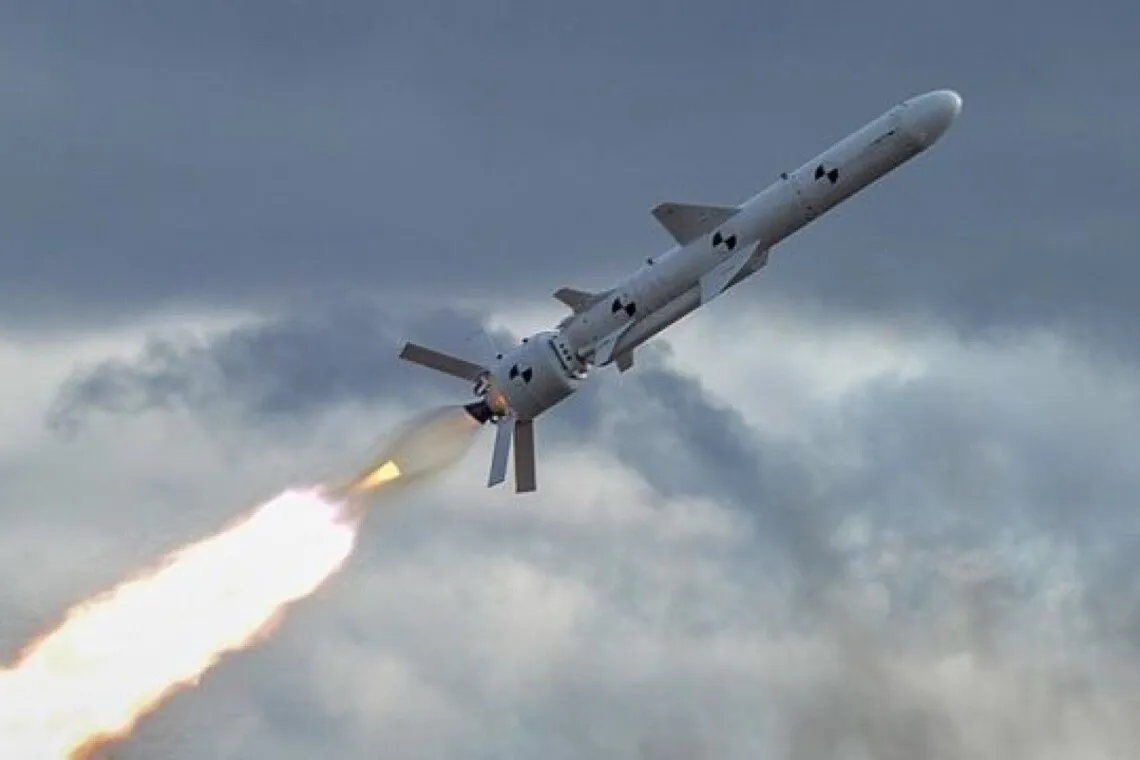
The night and morning of February 7 became some of the hardest for Ukraine’s energy system in recent months. Russian forces carried out a massive missile and drone attack on key facilities of electricity generation and transmission. According to official data, 447 means of attack were used in the air assault, with the main strikes hitting western and central regions. Substations and 750 kV and 330 kV overhead power lines, which form the backbone of the national grid, came under fire, along with thermal power plants.
The consequences were systemic. The Burshtyn Thermal Power Plant stopped operating, with damage there described as very serious. The city of Burshtyn was left without heating and water supply, and restoration will be possible only after a full technical assessment of the plant. At the same time, Ukrainian nuclear power plants were forced to reduce output, and in some cases automatic shutdowns of power units occurred. These were not political or tactical decisions, but forced steps caused by the loss of parts of the grid needed to absorb and balance generation.
The Ministry of Energy openly acknowledged that the situation is extremely difficult. Emergency power outages have been introduced in most regions, and Kyiv is preparing for a regime in which electricity will be supplied only for two hours a day. The metro in the capital was halted, and water supply disruptions were recorded. After the attacks, the energy system is operating under an emergency regime, while energy workers continue repairs in constant crisis conditions. A separate dimension of this assault is the risk to nuclear safety. Ukraine’s foreign minister stated that targeted strikes on the energy sector force nuclear power plants to operate in critical modes and create the risk of a large-scale nuclear incident for all of Europe. The situation is aggravated by regular flights of Russian drones over the sites of the Rivne and Khmelnytskyi nuclear power plants. According to him, control over safety is maintained solely thanks to the professionalism of plant personnel, while Russia deliberately escalates the situation. The cost of these strikes is measured not only in megawatts. During the liquidation of the consequences of the attack in Yahotyn, a rescuer of the State Emergency Service was killed when a sudden collapse of structures occurred at a damaged site. This is another reminder that attacks on energy infrastructure continue to kill people even after air raid sirens fall silent.
Against this backdrop, events on the other side of the border are revealing. On the evening of February 7 in the Russian city of Belgorod, after explosions and reports of a missile threat, the power went out. According to local Telegram channels, at least two strikes hit the “Belgorod” electrical substation on Storozhova Street, and the Luch thermal power plant was also attacked. The regional governor confirmed damage to energy infrastructure and said this was already the second attack of the day. In recent weeks, Belgorod’s energy facilities have been struck repeatedly, causing regular disruptions to electricity and heating in the city and surrounding areas. What has long been a daily reality for Ukraine is increasingly being felt in Russia’s border regions as well.
Post List




At the same time, the war is increasingly extending beyond the immediate combat zone. In Moldova, authorities discovered a “Gerbera”-type drone that crashed near the village of Sofia and did not contain explosives. The country’s Foreign Ministry described the incident as a violation of sovereignty and a threat to national security. Earlier, a similar device was found in Romania, while drones have repeatedly been spotted over military bases in NATO countries, including those where Ukrainian soldiers were being trained. In Germany, such incidents prompted investigations into suspected Russian espionage. In autumn 2025, NATO countries repeatedly accused Russia of unprecedented violations of their airspace.
All these episodes form a single pattern. Mass strikes on Ukraine’s energy sector, the shutdown of thermal generation and the forced unloading of nuclear power plants, drones beyond Ukraine’s borders, and attacks on energy facilities in Belgorod are not isolated events. They are different segments of one process in which energy infrastructure has become a full-fledged target of war, and the airspace of neighboring states a zone of constant risk. The key point: the war is increasingly no longer confined to the front line. It targets systems of everyday survival, expands the geography of incidents, and raises the stakes to a level where it is no longer only about electricity and heat, but about the security of entire regions of Europe.
About the Author

Related posts:
 Energy Terror and the Country’s Response: Anatomy of the Massive Attack on Kyiv and Ukraine
  Energy Emergency: why the state is shifting to crisis mode and what it means for people
  Kyiv Under Attack on Its Energy System: Why the Capital Is Again Without Heat and Electricity
  Odesa Under Attack: How Strikes on Energy and Infrastructure Are Reshaping the City