Russian Oil Refinery Strikes: How Drone Attacks Are Deepening Gasoline and Diesel Shortages
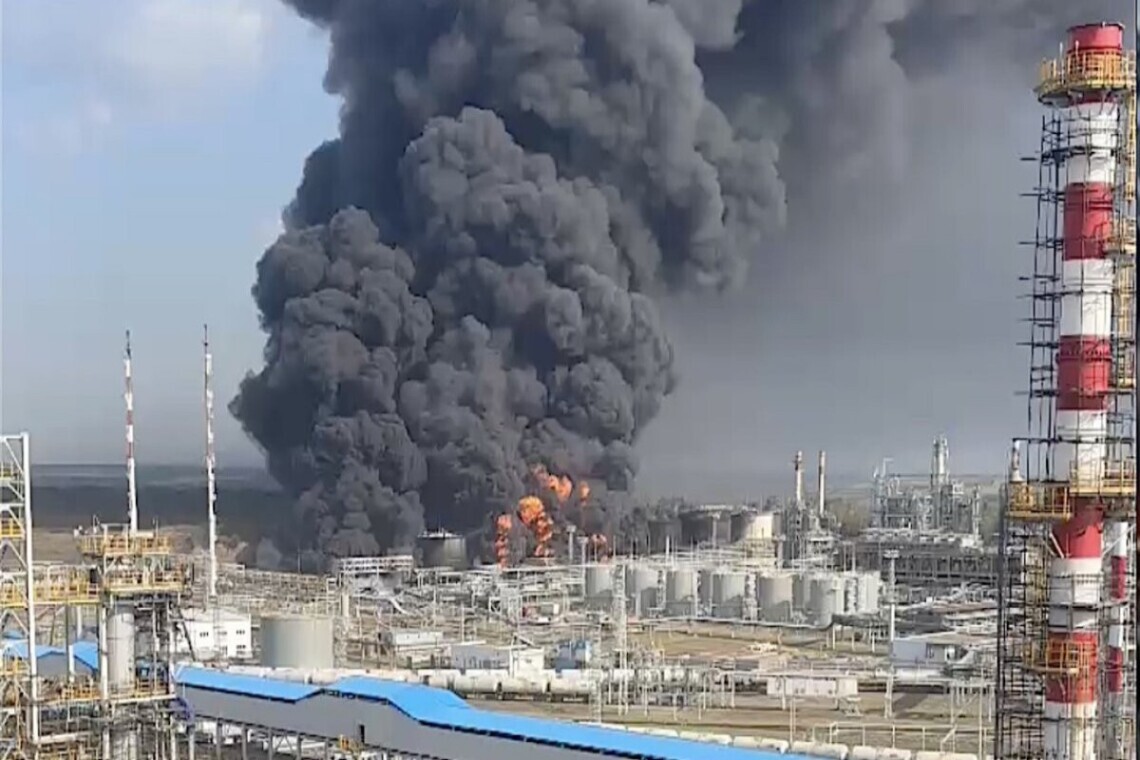
Ukrainian drones attacked the Moscow Oil Refinery for the second time in a week one of the key facilities supplying fuel to the Russian capital and the Moscow region. On the night of June 18, according to the General Staff of the Armed Forces of Ukraine, a combined oil processing unit, secondary processing units, and a tank farm caught fire at the refinery.
The Moscow Oil Refinery is of particular importance to Russia’s supply system. The facility provides more than 38% of fuel consumption in the Moscow region and supplies aviation fuel to Domodedovo, Vnukovo, Sheremetyevo, and Zhukovsky airports. The June 16 strike, according to Reuters, had already led to the suspension of the refinery’s operations after damage to a primary oil processing unit that accounted for more than half of the facility’s production capacity. A second strike within several days increases the risk of a prolonged shutdown. For Moscow, this does not mean an inevitable complete absence of gasoline or diesel at filling stations. The Russian authorities have the ability to redirect available resources to the capital while reducing supplies to other regions. However, such a model only shifts the problem beyond the Moscow region and makes shortages more acute in places where the ability to quickly compensate for losses is much more limited.
Russia’s fuel market has come under pressure from several directions at once. On the one hand, large oil refineries are reducing production or shutting down individual units after strikes. On the other, the country has entered a period when demand for diesel traditionally rises because of the planting campaign and harvest season. Russia has vast distances, different climate zones, and an uneven agricultural calendar: while spring fieldwork continues in some regions, harvesting has already begun in others. This places a heavy burden on the fuel supply system. The war remains an additional factor. The Russian army requires large volumes of diesel, gasoline, and aviation fuel for equipment, logistics, transportation, and aircraft operations. When refining capacity declines, the state is forced to distribute a smaller resource among military needs, civilian transport, the agricultural sector, and major cities. Economic commentator Andriy Makhovsky points out that the scale of strikes on Russian oil refining already differs from previous periods of the war. In his assessment, attacks affected 16 oil refineries in May, including eight of the ten largest facilities in the industry.
“Right now, everything looks as though this fuel crisis may turn out to be the harshest of the entire war. We have not yet seen the Armed Forces of Ukraine strike Russian oil refining so extensively and systematically. In May, it appears that 16 oil refineries were hit. Moreover, eight of the ten largest were affected. This has never happened before it is a record.”
It is important that Russia’s problem is not limited to reduced production. The fuel market depends on the stable operation of plants, tank farms, railway connections, fuel depots, ports, and major transport routes. Strikes on individual elements of this system can complicate fuel deliveries even in regions that do not formally depend on a specific damaged refinery. The situation is particularly difficult in Russian-occupied Crimea. Gasoline supplies to the peninsula are complicated by Ukrainian drone strikes on the route connecting Crimea with Russia’s Rostov region. For the occupied peninsula, this means additional risks: its fuel supply depends on logistics routes that may operate with interruptions.
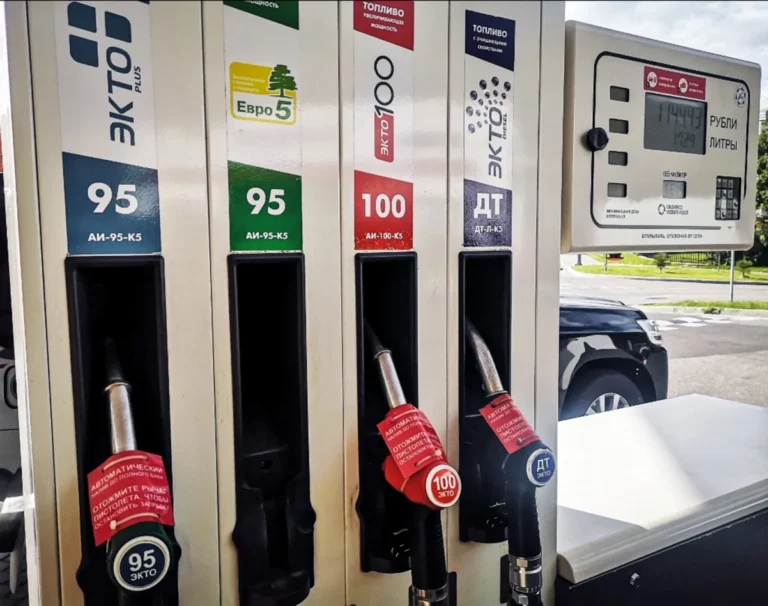
Problems in the market intensified after the June 12 attack on the TANECO refinery in Tatarstan. After the strike, the facility, according to Reuters, stopped processing oil. Reports of fuel shortages, supply disruptions, and sales restrictions then began to appear in Tatarstan, Chuvashia, Udmurtia, and the Samara, Ulyanovsk, Orenburg, and Nizhny Novgorod regions. At the same time, restrictions were recorded in Moscow, Saint Petersburg, and Siberia. At some filling stations, gasoline was sold in quantities of no more than 20 litres per person. Sales of diesel fuel and filling canisters were also restricted. Such decisions indicate that filling station operators and regional suppliers are trying to prevent their reserves from being depleted too quickly. Formally, this may look like a local response, but the simultaneous emergence of limits in different parts of Russia shows the scale of pressure on the market. Prices are also reacting to the reduction in available supply. Forbes reported that the cost of diesel fuel in Russia had risen by at least 42% since April. For farmers, this means higher costs for planting, harvesting, grain transportation, machinery operations, and product deliveries. If the diesel shortage continues, pressure on agriculture will increase. Maxim Blant, a commentator for the Russian Service of Radio Free Europe/Radio Liberty, believes that fuel problems may already affect the agricultural sector and later influence food prices.
“If the situation with the diesel shortage persists and continues to worsen, it may lead to a crisis in the agro-industrial complex and later to a food crisis. We have already seen the consequences of the poor harvests of 2023–2024. It was a sharp rise in food inflation and higher prices for vegetables and fruit.”
Such a scenario is not automatic. Russia has significant oil reserves, an extensive refining network, and the ability to administratively redistribute fuel. At the same time, the main problem is not the absence of raw materials, but the loss of the ability to quickly turn oil into finished petroleum products and deliver them to the regions where they are needed. This is why Russia is already looking for additional sources of supply. According to Reuters, Moscow plans to import gasoline by sea. One shipment was expected to arrive at a western Russian port from Asia in June. Russia had previously also received fuel from Belarus and Kazakhstan, but the capabilities of these countries are limited. They do not have sufficient reserves to consistently compensate for a major shortage in a large country with high domestic consumption.
Supplies from Belarusian oil refineries to the St. Petersburg International Mercantile Exchange, according to Maxim Blant, increased 26-fold over the year. This demonstrates how dependent Russia has already become on external support in certain areas. However, Belarusian refining cannot replace major Russian plants if they simultaneously reduce or halt operations. The Russian authorities are trying to contain the crisis through administrative methods. Gasoline exports have been restricted for a long time, and later a ban on aviation fuel exports was added. Until the end of July, Russia restricted exports of gasoline and partly diesel fuel, and until November 30, aviation fuel exports. These measures are intended to keep larger volumes of fuel inside the country. Separately, the Russian authorities allowed some oil refineries to produce gasoline and diesel of lower quality than the Euro-5 standard requires. Such a step may temporarily increase supply, but it does not solve the problem of damaged capacity. In addition, fuel with a higher sulphur content may wear out engines faster.


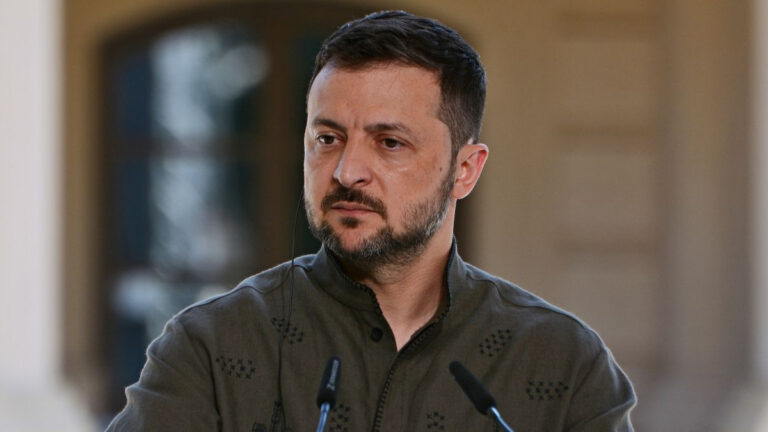
Fuel pressure is already affecting aviation as well. At some airports, aircraft refuelling is being limited, leaving only the minimum amount necessary to operate flights. For a country with vast distances and significant dependence of regions on air connections, this may create additional difficulties for passenger and cargo transportation. The strike on the Moscow Oil Refinery also has symbolic significance. The Russian capital traditionally receives priority in the distribution of resources, so disruptions at a facility that supplies fuel to the Moscow region and major airports demonstrate the depth of the problem for Russia’s refining system. Ukrainian President Volodymyr Zelenskyy described the repeated strike on the Moscow Oil Refinery as a response to Russian attacks on Ukrainian cities and communities.
“This is a completely fair response to Russian strikes on our cities and communities, and another important result of the work of our warriors against facilities that support the Russian war machine.”
The consequences of strikes on oil refineries are measured not only by the number of damaged units or shut-down plants. They are gradually changing the operation of Russia’s entire fuel system: forcing restrictions on sales at filling stations, reducing exports, seeking imports, redistributing resources among regions, and allowing the production of lower-quality fuel. For now, Russia is trying to keep the situation under control, especially in Moscow and the largest cities. However, the longer simultaneous pressure on refining, logistics, and reserves continues, the more difficult it will be to conceal the problem through administrative decisions. The most noticeable consequences may emerge not in the capital, but in the regions, where fuel is already becoming more expensive, less accessible, and critically important for agriculture, transport, and daily life.
About the Author

Related posts:
 Fuel Crisis in Russia: Why Moscow Turns to Belarus for Supplies as Refineries Halt and Regions Impose Limits
  Strikes on Russian Oil Refineries: Black Rain in Tuapse and Pressure on the Oil Sector
  Why Fuel Prices Are Rising in Occupied Crimea and What Really Stands Behind This Increase
  Oil and Fuel Market in Ukraine: Geopolitical Pressure, New Risks, and Consumer Prices