New Ukraine Sanction Packages: How Kyiv Is Increasing Pressure on Russia in 2025
Today, President of Ukraine Volodymyr Zelenskyy announced that he had approved several new sanction packages. This move is a logical continuation of the strategy to increase economic and political pressure on Russia, which, despite deadlines set by the international community for a ceasefire, continues to shell Ukrainian cities and towns.
The head of state confirmed: “Today I have approved several of our new sanction packages, packages of Ukraine the relevant decisions will be made soon.” According to the President, these restrictions will be coordinated with partners in the EU and non-EU European countries to ensure maximum effect.
Last year, Ukraine actively synchronized its sanctions with the 18 EU packages. This coordination helps cut off economic and logistical channels Russia uses to circumvent restrictions. While in 2024 the focus was largely on the financial sector and high-tech exports, the current packages, according to early indications, may be more focused on transport logistics, the military-industrial complex, and the shadow fleet.
Sanctions as a Tool of Economic Pressure
The President emphasized the real impact of the sanctions already in place:
“They block all information about their losses. But they cannot block objective reality what the Russian economy is feeling, how Russian enterprises are shutting down, how Russian logistics is suffering losses. Sanctions can work exactly the way we need them to.”
According to Ukrainian and international economic experts, in 2024, sanction restrictions led to a more than 45% drop in imports of critical technological components into Russia, while cargo turnover through Russian seaports fell by 15% compared to pre-war levels. The 2025 outlook suggests that, if sanctions are maintained and expanded, the shortage of critical materials for the military industry could become systemic.
The Diplomatic Front: Consolidating Partners
Zelenskyy held a series of talks with international leaders: the Prime Minister of Poland, the President of Finland, the President of Latvia, the Prime Minister of the Czech Republic, and the President of South Africa. Such activity is of strategic importance it helps maintain partner unity and ensures that economic and military pressure on Russia remains a priority.
“Everything depends on the right pressure on Russia. The decision to end this war, which they started, must be made there” – the President stressed.
Last year, Ukraine already demonstrated the effectiveness of this tactic: in 2024, it managed to agree with G7 countries on joint restrictions on the export of dual-use technologies, as well as block part of Russia’s shadow fleet used to transport oil in circumvention of sanctions.
Post List


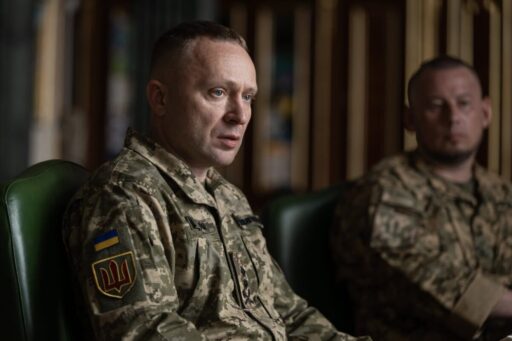
European Integration Without Pauses
Zelenskyy placed particular emphasis on the need for Ukraine and Moldova to move in sync on their path to the EU:
“Any artificial pauses, any artificial divisions will only harm Europe. Ukraine and Moldova must move forward in the negotiation process.”
According to him, Kyiv expects that by the end of 2025, both countries will be able to open the next negotiation clusters, bringing them closer to full membership.
Military Realities and Security Challenges
Despite diplomatic efforts and sanction pressure, hostilities remain intense. The President reported more than a hundred attack drones launched by Russia during the night, airstrikes, and assaults on the front line. One particularly resonant case occurred in Kherson, where “absolutely deliberately, a 13-year-old boy was injured by a Russian drone drop.” This incident, like many others, demonstrates that Russia is not reducing the intensity of its attacks despite international pressure.
The new sanction packages Ukraine is preparing are not only a response to Russia’s military actions but also part of a broader strategy that includes diplomacy, economic pressure, and integration into the European space. Experience from last year proves that when sanctions are synchronized and systematically applied, they can undermine the aggressor’s ability to continue the war.
About the Author

Related posts:
 500% Tariffs from the U.S.: Will Graham’s Bill Open a New Front in Economic Pressure on Russia’s Trade Partners?
  EU Sanctions Against China: How the West Responds to Technological Support for Russia in the War Against Ukraine
  Oil Pressure, New Sanctions, and India’s Energy Choices: How the Global Oil Map Is Shifting Under U.S. Influence
  U.S. Delays Sanctions on Russia: Not a Setback, but a Challenge for Ukraine