Ukrainian Drones Draw U.S. Interest: How the Drone Deal Could Change Defence Cooperation
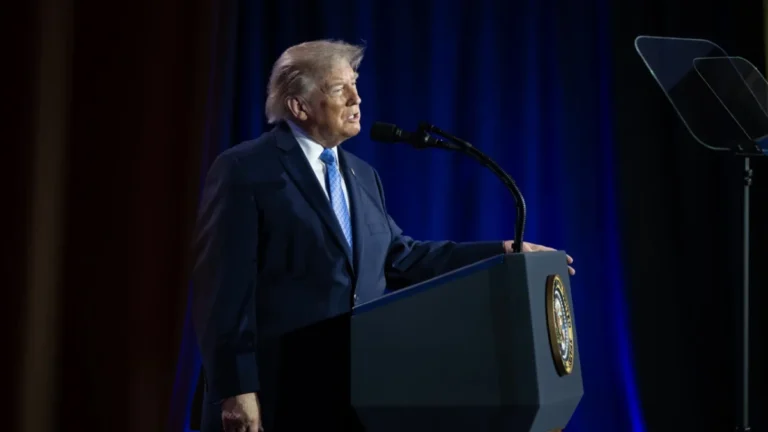
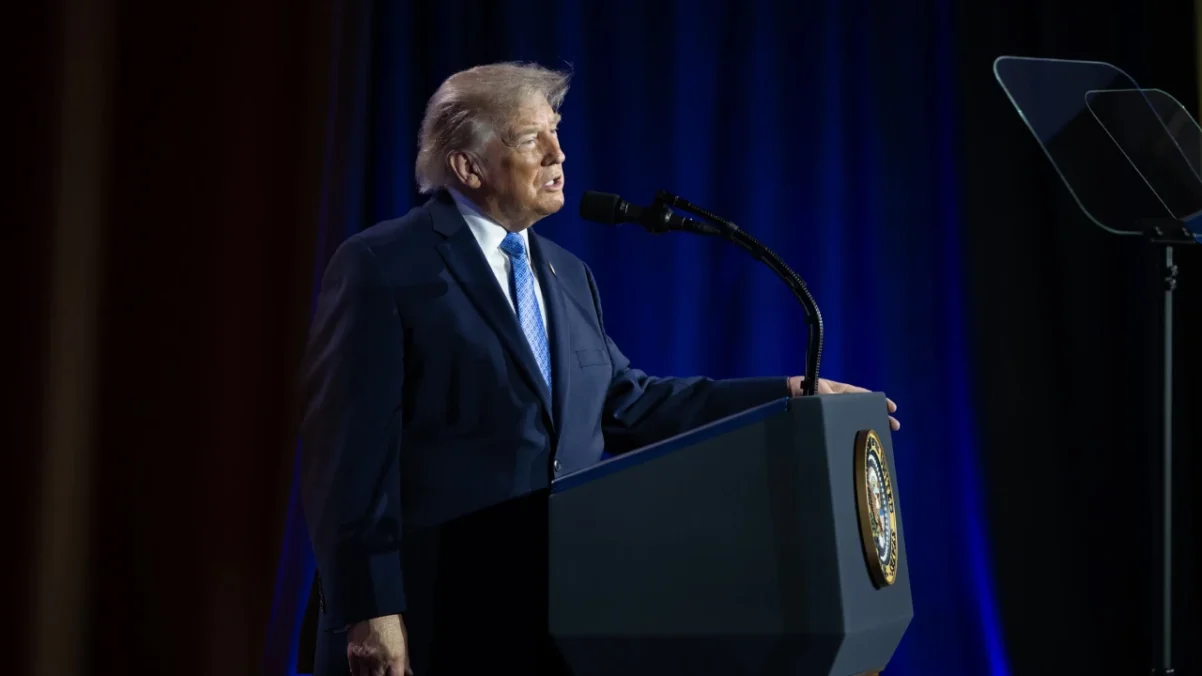
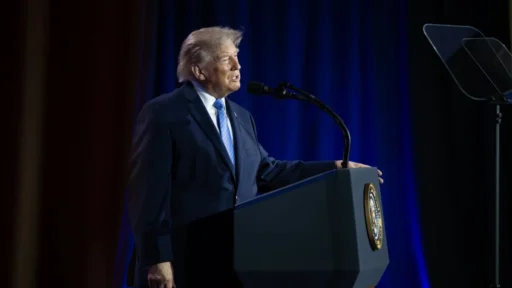
U.S. President Donald Trump’s statement about interest in purchasing Ukrainian drones became an important political signal. This is no longer only about helping Ukraine in the war, but about recognizing Ukrainian defence technologies as a practical resource that may be needed by the partners themselves. After meeting with Ukrainian President Volodymyr Zelenskyy at the NATO summit in Ankara on July 8, Trump said that the United States would like to buy Ukrainian drones because Ukrainians produce them quickly. This changes the usual framework of cooperation: Ukraine acts not only as a state that needs weapons, but also as a country that has its own solutions tested by a full-scale war.
Time for Action examined why the drone agreement between Ukraine and the United States may become not just a technical contract, but part of a new defence cooperation model. The key importance lies not only in the statement about drones itself. Alongside it, another politically weighty point was voiced the possibility of granting Ukraine the right to produce Patriot missiles.
“A little bird told me that we will give them the right to make Patriot. We will show how to do it. It is very technically difficult, but I think you will handle it quickly. We talked about this. This way, he [Zelenskyy] will not be able to complain that we are not giving him enough [Patriot missiles]. Produce them yourselves”
This quote is important for several reasons. First, Patriot for Ukraine is not just another type of weapon, but one of the key systems for protection against missile attacks. Second, the problem has always been not only the political decision to transfer them, but also the shortage of the missiles themselves, the complexity of the technologies, legal restrictions, and manufacturer control.
If the idea of licensed production is actually implemented, it will mean a transition from the model of “hand over ready-made weapons” to the model of “help create production capacity.” For Ukraine, this is a fundamentally different level of defence resilience. A delivery can end, be delayed, or depend on the domestic politics of partners. Production inside the country gives a longer planning horizon. At the same time, this statement does not remove the complexity of the issue. Producing Patriot missiles is a technologically difficult process. Back in February 2026, Zelenskyy said that Ukraine was ready for the independent production of scarce weapons, but legal and technological barriers from manufacturers remained insurmountable. This concerned both the assembly of new launchers and the production of missiles for systems already in service. Against this background, the drone agreement looks like a faster and more practical direction. Ukraine already has a developed military drone ecosystem, experience in the mass use of unmanned systems, systems for countering enemy attacks, and developed solutions in the field of electronic warfare. It was the speed of production and adaptation that became one of the reasons for American interest. After the meeting, Zelenskyy confirmed the start of work on the drone agreement with the United States.
“We are starting to work on the drone agreement. This is a very good beginning. Today I will have the opportunity to discuss with you some important details of this agreement”
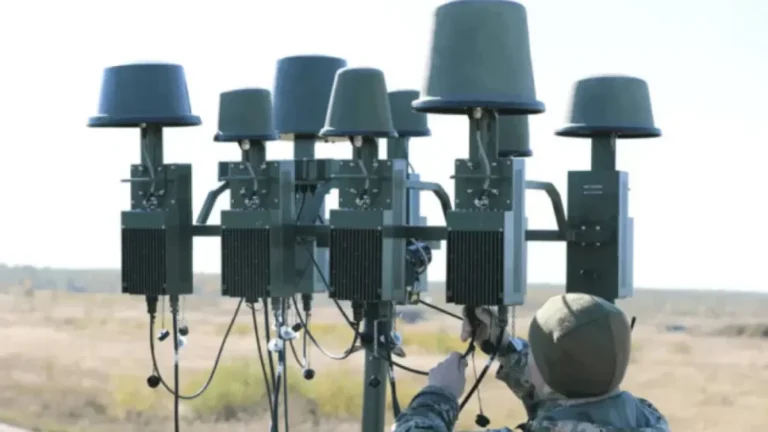
Drone Deal is important because Ukraine is offering partners not just separate unmanned systems. It is about comprehensive experience in protection against massive drone and missile attacks. This format includes drones, repelling massive attacks, especially drone attacks, other air defence systems that Ukraine has in service, and the electronic warfare system. This is no longer classical arms trade. This is an attempt to turn combat experience into a diplomatic and technological resource. Ukraine has gone through constant massive attacks, learned to combine different layers of protection, and use drones not only as a strike instrument, but also as part of a broader defence system.
It is telling that the idea of Drone Deal became more relevant after the escalation in the Middle East. Attacks on military bases and critical infrastructure made the issue of protection against massive strikes much more urgent for other states. Ukraine had already sent experts to several countries in the region to help build protection systems. After that, work began on a larger cooperation programme. It is also important that Drone Deal is no longer only an idea for the future. Ukraine has concluded six such agreements. Saudi Arabia, the United Arab Emirates, Qatar, Azerbaijan, as well as NATO countries Latvia and Lithuania have joined them. On July 8, Ukraine signed a Drone Deal with Estonia. This list shows that Ukrainian experience is of interest not only to countries that directly support Ukraine within European security. It also interests Middle Eastern states, for which protection against drone and missile attacks has become a separate priority.
For the United States, a potential drone agreement has several dimensions. The first is practical: Ukrainian drones are produced quickly and tested by war. The second is technological: Ukraine constantly adapts solutions to changes on the battlefield. The third is political: such cooperation makes it possible to show that relations between Kyiv and Washington can be built not only on requests for assistance, but also on an exchange of capabilities. For Ukraine, this is also a way to change its own role in negotiations with partners. When a country has a product, experience, and solutions that others need, its position becomes stronger. It does not only ask for air defence systems or missiles, but offers its own technologies, skills, and practice in countering threats that are becoming relevant for other states.

In the long term, this may form a new direction of defence diplomacy. Ukrainian drones, electronic warfare, systems for countering massive attacks, and potential licensed production of Patriot may become parts of one logic: less dependence on one-time deliveries, more joint production, technological exchange, and long-term security agreements. At the same time, it is important not to exaggerate. Statements about drones and Patriot still require practical substance: legal decisions, production agreements, licenses, financing, technology control, and defining cooperation formats. But the political signal itself is already important. The United States is publicly speaking not only about assistance to Ukraine, but also about interest in Ukrainian defence solutions. That Ukraine is gradually turning its wartime experience into a foreign policy asset. Drones have become not only an instrument of the front, but also a subject of international agreements. If the drone agreement with the United States receives real substance, it may consolidate a new format of cooperation in which Ukraine acts not only as a recipient of weapons, but also as a provider of technologies, experience, and defence solutions.
About the Author

Related posts:
 Ukrainian Drones as a New Instrument of Influence in Global Security
  Ukrainian Drones and the Persian Gulf: How War Experience Opened a New Security Market for Kyiv
  Russian Air Defense Under Pressure: How Ukrainian Drones Exposed the Kremlin’s Weak Spot
  Scandinavian-Baltic Initiative and New Guidelines for Defence Partnership