Kyiv Public Transport Fare Increase: Why Trade Unions Propose 20 UAH Instead of 30
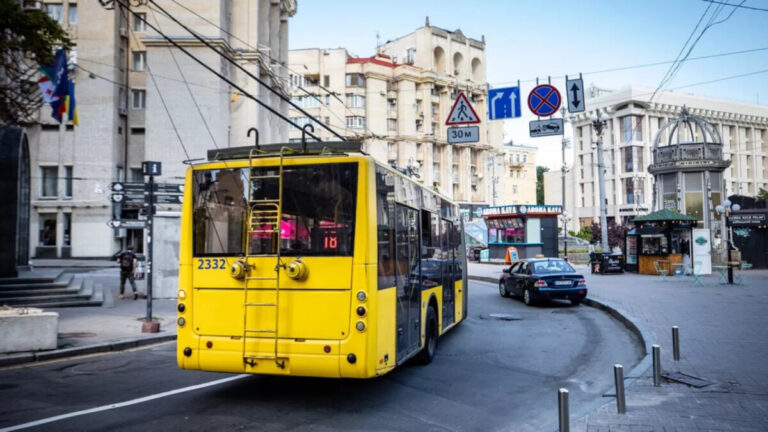
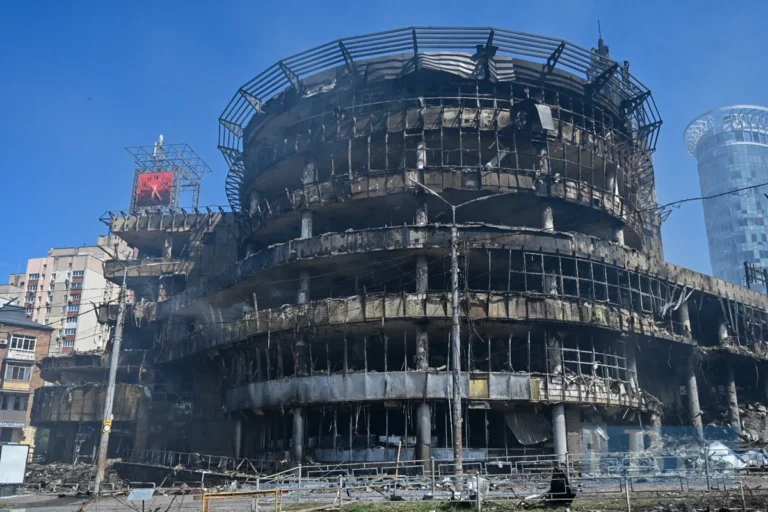
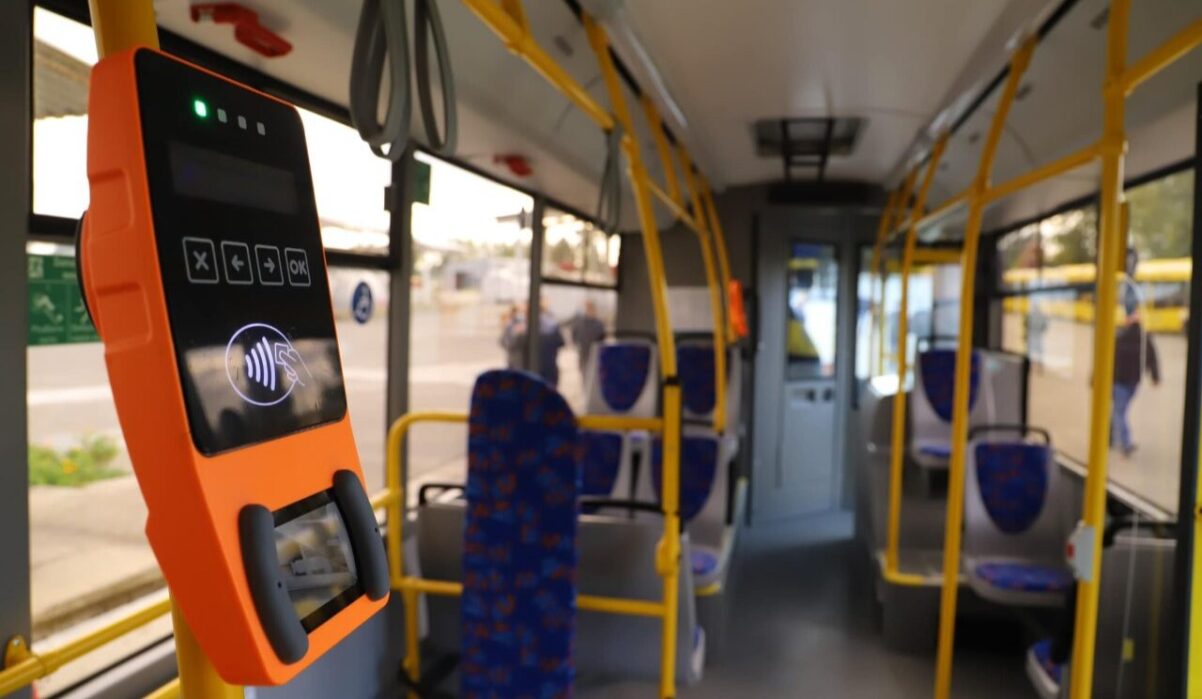
The Kyiv City Council of Trade Unions has supported a revision of public transport fares in the capital but proposed not to introduce a 30-hryvnia fare immediately. Instead, the trade unions insist on a transitional fare of 20 hryvnias, with the maximum fare postponed for at least six months. City authorities explain the need to revise fares by a critical lack of funding. According to the figures presented, Kyiv needs at least 12 billion hryvnias to support energy resilience and restore damaged facilities. At the same time, the proposed 30-hryvnia fare, according to the city authorities’ assessment, would still remain below the actual cost of transport services more than 60 hryvnias for the metro and around 50 hryvnias for surface transport. The last time fares for municipal transport in Kyiv were changed was in July 2018. At that time, the cost of a single trip increased to 8 hryvnias. Since then, the city has faced a full-scale invasion, large-scale attacks on the energy system, higher infrastructure repair costs, rising prices for resources, and an acute shortage of workers in the municipal sector.
Time for Action examined why the discussion of a new fare concerns not only passengers, but also transport workers’ salaries, protection for public-sector employees, and the city’s ability to keep public transport operating. The trade unions’ position is that a sharp increase to 30 hryvnias would create additional pressure for people who use the metro, buses, trolleybuses, and trams every day. This primarily concerns workers in education, healthcare, culture, libraries, and other state and municipal institutions, for whom transport costs are a constant part of their monthly budget. Chair of the Kyiv City Council of Trade Unions Tetiana Orysenko said that the unions had proposed a compromise option: first set the fare at 20 hryvnias, and postpone the decision on 30 hryvnias for six months.
“To support energy resilience and restore facilities, the city needs at least 12 billion hryvnias. The Kyiv City State Administration wanted to introduce a 30-hryvnia fare as early as July 15. We instead proposed a compromise start with 20 hryvnias and postpone the 30-hryvnia fare for six months.”
The trade unions propose using this period to create a mechanism for social protection of public-sector employees. This could include special discounts, travel passes for a set number of trips, or partial compensation for transport costs. The demand is not only to acknowledge the problem of low salaries in the public sector, but also to establish clear support rules before introducing the maximum fare.
“This could be either a special discount, a travel pass for a defined number of trips, or direct monetary compensation for part of the cost.”
Such an approach changes the very logic of the fare decision. Raising the cost of travel is not viewed only as a way to increase city budget revenues. It must also be accompanied by an answer to the question of who will compensate for the new expenses of workers who keep hospitals, schools, libraries, and other municipal institutions operating.
A separate problem is the staff shortage in the transport sector. The trade unions insist that at least 20% of the funds received after fares are increased should be directed toward raising the salaries of municipal transport workers. This includes drivers, train operators, track workers, dispatchers, maintenance staff, and other employees without whom the transport system cannot operate reliably. According to Tetiana Orysenko, low wages have already led to a situation in which transport companies lack personnel.
“There is simply no one left to work in transport and in the metro as well. For example, track workers currently earn 14,000 hryvnias. That is why our mandatory demand is to direct at least one fifth of the new revenues toward increasing salaries for transport workers.”
This is one of the key elements of the discussion. Even a substantial fare increase will not guarantee better transport services if additional funds do not affect staffing. A lack of sufficient workers creates risks for track repairs, maintenance of rolling stock, route regularity, and passenger safety. The trade unions’ decision was not unanimous. Representatives of the education sector opposed even the transitional fare of 20 hryvnias. Their position is that social guarantees must be introduced before fares rise, rather than appear afterward.
“Education workers did not support this decision. They categorically opposed the 20-hryvnia compromise, insisting that the Kyiv City State Administration must first develop and implement a system of social protection and compensation for people, and only after that can there be any discussion of changing fares.”
This position points to the main risk of the transitional model. If the city raises fares first and develops compensation mechanisms later, some passengers will immediately feel the financial burden without any guarantee of future support. For people with low and fixed incomes, this could become a significant expense. The issue of a new fare is also linked to how the city will explain the use of additional revenue to passengers. Public transport requires funding not only for daily operations, but also for repairs, fleet renewal, energy resilience, restoration of damaged facilities, and retaining workers. However, higher fares will be perceived much more sharply if Kyiv residents do not see tangible improvements in service quality, route regularity, and transport infrastructure.


A 20-hryvnia fare may become a temporary compromise between the city’s need to increase revenue and the need to avoid a sharp blow to public-sector workers. However, such an option will work only under two conditions the city must clearly define a compensation system for those who depend most on public transport, and guarantee that part of the new revenue will go toward transport workers’ salaries. Without these decisions, a fare increase risks becoming only a way to cover the city’s funding gap. With them, it can become part of a broader solution one that supports transport operations, reduces staff shortages, and does not leave people with low incomes alone with new expenses.
About the Author