E5 and E10 at Ukrainian Gas Stations: Why New Fuel Labeling Will Become a Test for State Control
From July 1, 2026, Ukraine is switching to European fuel labeling standards. Labels E5 and E10 for gasoline and B7 for diesel fuel will gradually appear at gas stations. For drivers, this means a change in familiar names and the appearance of clear information about the content of biocomponents in fuel.
Time for Action looked into why the new standards should not become a problem for most drivers, but may become a serious test for the state, the market, and the fuel quality control system. The main issue is not bioethanol itself. For modern cars, gasoline with 5% or 10% bioethanol is a familiar standard in many European countries. The real risk for Ukraine is whether part of the shadow market will use the new rules to more easily sell fuel of questionable quality under the guise of “environmental” gasoline.
What Exactly Will Change From July 1
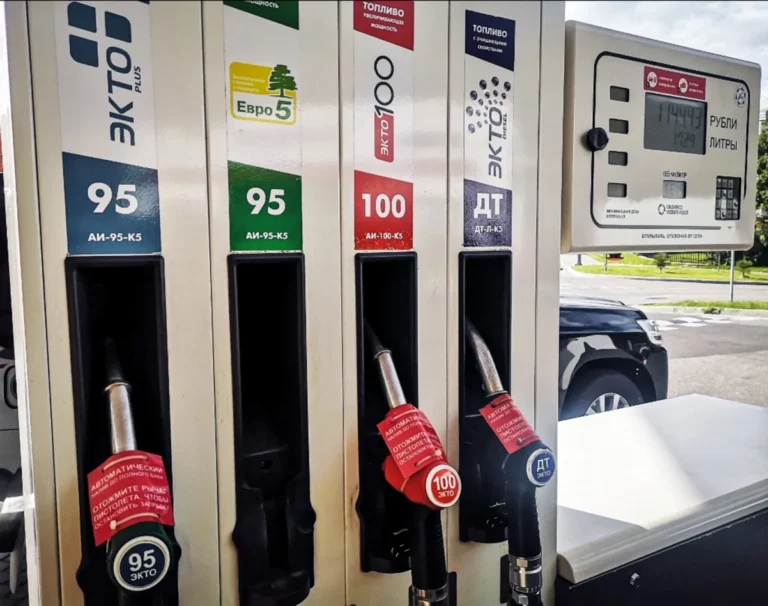
From July 1, the E5 and E10 standards will fully come into effect in Ukraine. The letter E means the presence of bioethanol in gasoline, and the number shows its maximum share. E5 is gasoline with up to 5% bioethanol, E10 up to 10%. For diesel fuel, the label B7 will be used. This means the presence of up to 7% biodiesel. Ukraine will gradually move away from old names such as A-80, A-92, A-95 and switch to the European classification system. For some time, drivers may see both old names and new composition indexes at gas stations. This is a normal transition period so that the market and consumers can get used to the new labeling logic. Bioethanol is alcohol produced from plant raw materials, mainly corn. It is added to gasoline to reduce the share of fossil fuel, support the agricultural and processing sectors, and bring the Ukrainian market closer to the requirements of the European Union.
Why This Is Part of European Integration
The transition to E5 and E10 is connected with the implementation of European environmental and technical requirements. Ukraine is harmonizing fuel quality standards, updating technical regulations, and preparing the control system to work with fuel that contains bioethanol. This is not just about a new label on the pump. The state must implement European standards EN 228 for gasoline and EN 590 for diesel fuel, modernize testing methods, update approaches to sampling, and prepare laboratories. A separate important point is the gradual abandonment of outdated environmental classes Euro-3 and Euro-4. This is part of a broader transition to a cleaner and more controlled fuel market. For diesel, control of the cloud point temperature must be preserved, taking into account Ukraine’s climate. This is a practical detail, because diesel fuel must work not only according to a formal standard, but also in real winter conditions.
Will There Be a Problem for Cars
For most modern cars, the transition to E5 and E10 should not be critical. Such fuel has long been used in Europe, and a significant share of modern engines is designed for gasoline with bioethanol in such proportions. Owners of older cars should be more cautious, especially cars with carburetor engines or fuel systems with old rubber seals and hoses. Bioethanol in higher concentrations may have a more aggressive effect on worn elements of the fuel system. The practical rule is simple: a driver should check the recommended type of fuel in the car’s technical documentation or on the information sticker under the fuel tank flap. If the manufacturer allows E10, there should be no problems. If the car is old or there are doubts, it is safer to use fuel with a lower bioethanol content. That is, for the driver, this should not look like a sudden technical shock. Most cars will continue to drive without changes. But owners of old cars need not ignore the new labeling, but read the labels on pumps more carefully.
Will Prices Rise
Experts do not expect a sharp price jump due to the transition to E5 and E10. According to market participants’ estimates, E10 gasoline may even be cheaper than ordinary A-95 by about 15–25 dollars per ton, which corresponds to approximately 50–75 kopecks per liter. However, for the retail consumer, this difference may be almost invisible. Gas station networks will not necessarily revise prices separately because of the appearance of ethanol-blended gasoline, especially since the price of A-95 was already moving downward. It is also important that gasoline with 10% alcohol content has already been imported and sold at Ukrainian gas stations. It traded at roughly the same price as ordinary gasoline. Therefore, for most drivers, the transition to the new rules may happen without a noticeable change in the price displayed at gas stations.
Why No Shortage Is Expected
Initially, it was difficult for the market to adapt to the requirement for E5 gasoline with a clear 5% bioethanol content and an allowable deviation. The problem was that for EU countries, E10 gasoline with alcohol content from 7% to 10% is more typical. To supply E5, European producers would have had to create separate infrastructure: separate blending capacities, tanks, and logistics. This complicated imports and did not match how the European fuel market already works. Now the requirements are closer to European ones. This reduces the risk of a shortage, because Ukraine will be able to more easily purchase fuel that is already produced and sold in the EU. Traders are already importing ethanol-blended gasoline, and some networks are actively selling it. Local delays are possible in small networks that do not manage to quickly purchase the required fuel. But this should not turn into a fuel collapse. For an ordinary driver, the transition will most likely be gradual and almost unnoticeable.
Where the Main Risk Arises
The biggest discussion around E5 and E10 concerns not European standards as such, but the Ukrainian shadow segment of the market. There are concerns that the new labeling may become a convenient cover for surrogate gasoline. The market already has a problem with mini-refineries and low-quality fuel with an increased alcohol content. If producers of such a product can more easily disguise it as “bioethanol” gasoline, the reform may suffer reputational damage. Here it is important not to confuse two things. E10 itself is not bad fuel. It is a normal European standard. The problem arises when, under the guise of E10, a product with uncontrolled composition, technological violations, unpaid taxes, or an inflated alcohol content is sold. That is why the reform depends not only on regulations and labeling, but on the state’s ability to actually check fuel quality.
Quality Control Will Be Decisive
The transition to bioethanol requires a high-quality control system. The state must update standards, testing methods, sampling rules, and the work of laboratories. Otherwise, the market may receive European labels without a European level of control. This is the key point. It is important for the driver not just to see E5 or E10 on the pump. They must be sure that the fuel going into the tank is exactly what is declared on the label: with the correct bioethanol content, proper quality, paid taxes, and no dangerous impurities. If control is weak, the risks will increase in several directions at once. Honest networks will find themselves in unequal conditions with shadow sellers. The state will lose tax revenues. Drivers will face a higher risk of problems with engines and fuel systems. And the very idea of switching to European standards may be discredited.
Bioethanol as a Chance for Ukrainian Production
A separate advantage of the reform is the potential support for Ukrainian bioethanol production. If the market works transparently, demand for bioethanol may create additional opportunities for the agricultural sector and processing. Ukraine has a raw material base for bioethanol production, including corn. This means that part of the energy dependence on imported petroleum products can be reduced through domestic production of biocomponents.
But this effect is possible only under normal rules. If the market is filled with low-quality or shadow products, the winners will not be producers of quality bioethanol, but those who work on the edge of control or outside it. Therefore, for the state, this is also an economic task: to create conditions under which bioethanol becomes part of a transparent fuel market, and not a pretext for new schemes.

What the Driver Should Understand
For an ordinary motorist, the main thing is to learn how to read the new labeling. E5 and E10 show not a “new brand of gasoline” in the old sense, but the share of bioethanol in the fuel. Drivers of modern cars should check the manufacturer’s recommendations and not panic. Drivers of older cars should be more careful when choosing fuel and, if possible, use the type of gasoline that is directly allowed for a specific model. It is also worth choosing trusted gas stations. During the transition period, the quality of control and the reputation of the network will matter greatly. If cheap surrogate fuel really becomes more active on the market, the best protection for the driver will be not only knowledge of labeling, but also caution in choosing a gas station.
The transition to E5 and E10 should not become a problem for most drivers. For modern cars, gasoline with bioethanol within European standards is normal fuel. A sharp price increase or shortage is also not expected, because the requirements have finally become closer to how the EU fuel market works. But this reform will become a serious test for the state. Ukraine must not simply change the labeling on pumps, but prove that it is capable of controlling fuel quality, fighting the shadow segment, supporting legal bioethanol production, and not allowing surrogate fuel to hide behind environmental names.
The main question after July 1 will not be whether drivers get used to E5 and E10. They will. The question is whether the state will be able to make sure that behind the new European labels there is truly European quality control.
About the Author

Related posts:
 The Ukrainian Fuel Market: Price Stability Amid Global Fluctuations and New Logistics Challenges
  Fuel Prices in Ukraine May Rise: Why Drivers Are Already Preparing to Use Cars Less
  Fuel Prices in Ukraine: Why They Are Rising, What to Expect
  Fuel Prices in Ukraine Have Stopped Rising, but It Is Too Early to Talk About Stable Decline