Ukrainian Car Market in the First Half of 2026: Electric Cars Fell, Renault Duster Became the Bestseller
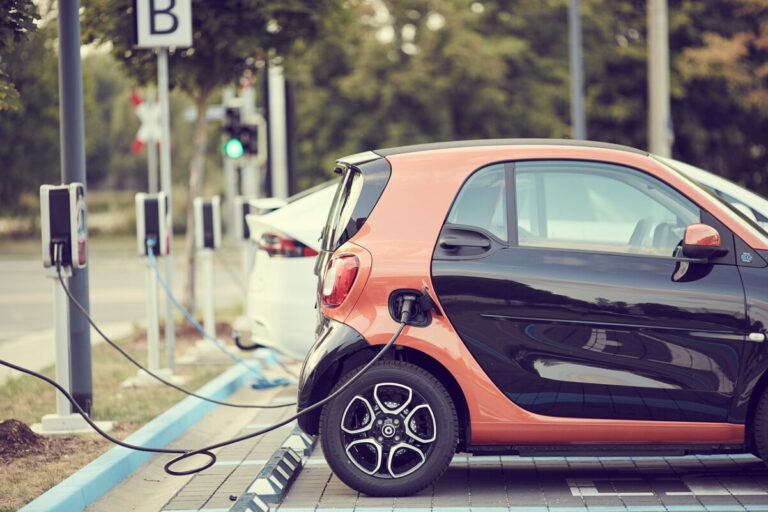
In the first half of 2026, the Ukrainian car market showed restrained stability in the segment of new passenger cars, but at the same time a sharp cooling of demand for electric vehicles. From January to June, about 33,000 new passenger carswere sold in Ukraine, which is only 0.5% more than in the same period last year. At first glance, the market has almost not changed. But within this statistic, a significant redistribution of demand is visible: buyers more often chose petrol, diesel, and hybrid models, while electric cars lost more than half of their share among new passenger cars. According to Ukravtoprom, in the first half of 2026, the Ukrainian vehicle fleet was replenished with 15,221 electric vehicles with zero emissions. This is twice less than in the same period of 2025.
Of this number, 14,404 units were passenger electric cars. Their registrations fell by 53% compared with the first half of last year. 817 commercial electric vehicles were registered, which is 17% less than last year. At the same time, the share of new vehicles among all registered electric cars increased slightly to 19%. In the first half of 2025, this figure was 18%. This means that the decline affected not only new electric vehicles, but the entire electric segment, including the import of used cars. Among new electric vehicles, the most popular were:
BYD Leopard 3 – 421 cars;
BYD Sea Lion 06 EV – 359 cars;
Zeekr 001 – 229 cars;
VW ID.Unyx – 203 cars;
Zeekr 7X – 172 cars.
In the segment of used electric vehicles that were registered in Ukraine for the first time, the leaders remain well-known models:
Nissan Leaf – 1,592 cars;
Tesla Model Y – 1,468 cars;
Tesla Model 3 – 1,355 cars;
Chevrolet Bolt – 613 cars;
Renault Zoe – 553 cars.
These data show the difference between the new and used electric segments. In new electric vehicles, Chinese brands have strengthened noticeably, particularly BYD and Zeekr. At the same time, among used cars, Ukrainians continue to actively choose the Nissan Leaf, Tesla Model Y, Tesla Model 3, Chevrolet Bolt, and Renault Zoe models that have long been present on the secondary market and have a clear reputation among buyers. In the market for new passenger cars, electric vehicles lost the most. Their share fell from 16.9% in the first half of 2025 to 8.3% in January–June 2026. That is, the electric segment did not simply decline it effectively lost more than half of its presence among new passenger cars. Instead, cars with traditional engines covered almost 62% of the Ukrainian market for new passenger cars in the first half of 2026. In the same period of 2025, their share was 56.5%.
Petrol models remained the most popular. Their share increased from 37.1% to 39.2%. Diesel cars strengthened their positions even more noticeably from 19.4% to 22.5%. Hybrids also increased their presence in the market: their share rose from 26.5% to 29.8%. Cars with LPG equipment, as last year, accounted for less than 1% of new car sales. The leaders by engine type were:
petrol cars – Hyundai Tucson;
hybrids – Toyota RAV-4;
diesel cars – Renault Duster;
electric vehicles – BYD Leopard 3;
cars with LPG – Hyundai Tucson.
This ratio clearly shows the current choice of Ukrainian buyers. The market is leaning toward practical models: crossovers, hybrids, diesel cars, and petrol cars with understandable operation. Electric vehicles remain a visible segment, but in 2026 their dynamics became weaker. The absolute bestseller of the Ukrainian market for new passenger cars in the first half of 2026 was the Renault Duster. In six months, Ukrainians bought 2,670 such cars. The top ten most popular models included:
Renault Duster – 2,670 cars;
Toyota RAV4 – 1,811;
Hyundai Tucson – 1,302;
Toyota Land Cruiser Prado – 1,003;
Skoda Kodiaq – 943;
Mazda CX-5 – 910;
Volkswagen Touareg – 854;
Nissan Qashqai – 627;
Skoda Karoq – 606;
Skoda Octavia – 579.
The list of bestsellers shows stable demand for crossovers and SUVs. Most models in the top ten are vehicles of increased practicality: Renault Duster, Toyota RAV4, Hyundai Tucson, Toyota Land Cruiser Prado, Skoda Kodiaq, Mazda CX-5, Volkswagen Touareg, Nissan Qashqai, and Skoda Karoq. For Ukrainian buyers, versatility, ground clearance, durability, and suitability for different road conditions remain important.
Among brands, the most popular marque in the Ukrainian market for new passenger cars remains Toyota. In the first half of 2026, the company sold 4,852 cars, which is 6% more than in the same period of 2025. The top ten most popular brands included:
Toyota – 4,852 cars (+6%);
Renault – 3,048 (+5%);
Skoda – 2,791 (+9%);
Volkswagen – 2,403 (-10%);
BYD – 1,918 (+8%);
Hyundai – 1,891 (+26%);
BMW – 1,785 (-7%);
Mazda – 1,434 (+49%);
Nissan – 1,269 (+11%);
Suzuki – 1,050 (-27%).
The strongest growth among the top ten brands was shown by Mazda 49% year-on-year. Hyundai also added noticeably +26%. The largest decline was recorded by Suzuki, whose sales fell by 27%. Volkswagen and BMW also showed declines. A separate detail is BYD’s position. The brand entered the top five most popular brands in the new passenger car market with a result of 1,918 cars and growth of 8%. At the same time, the BYD Leopard 3 became the leader among new electric vehicles. This shows that even amid the overall decline of the electric segment, individual Chinese models retain strong positions.

The result of the first half of 2026 for the Ukrainian car market looks mixed. The overall market for new passenger cars has almost not changed and even grew slightly. But the sales structure has become different: electric vehicles sharply lost share, petrol and diesel cars strengthened their positions, and hybrids continued to grow. Ukrainians continue to actively buy new cars, but the choice has become more pragmatic. The leaders are crossovers, models with traditional engines, hybrids, and brands with a clear reputation. The Renault Duster became the most popular new passenger car, Toyota retained first place among brands, and electric vehicles, after active growth in previous years, noticeably lost ground in the first half of 2026.
About the Author

Related posts:
 Ukraine’s Car Market Has Split: New Cars Are Chosen as Hybrids, Used Cars as Electric
  New Car Market in Ukraine: Stability, Electric Vehicles, and Crossover Dominance
  Diesel Passenger Cars in Ukraine Are Losing Ground but Not Disappearing from the Market
  Chinese Cars Disappeared From February’s Top 10, but Not From the Market: What Is Holding Sales Back at the Start