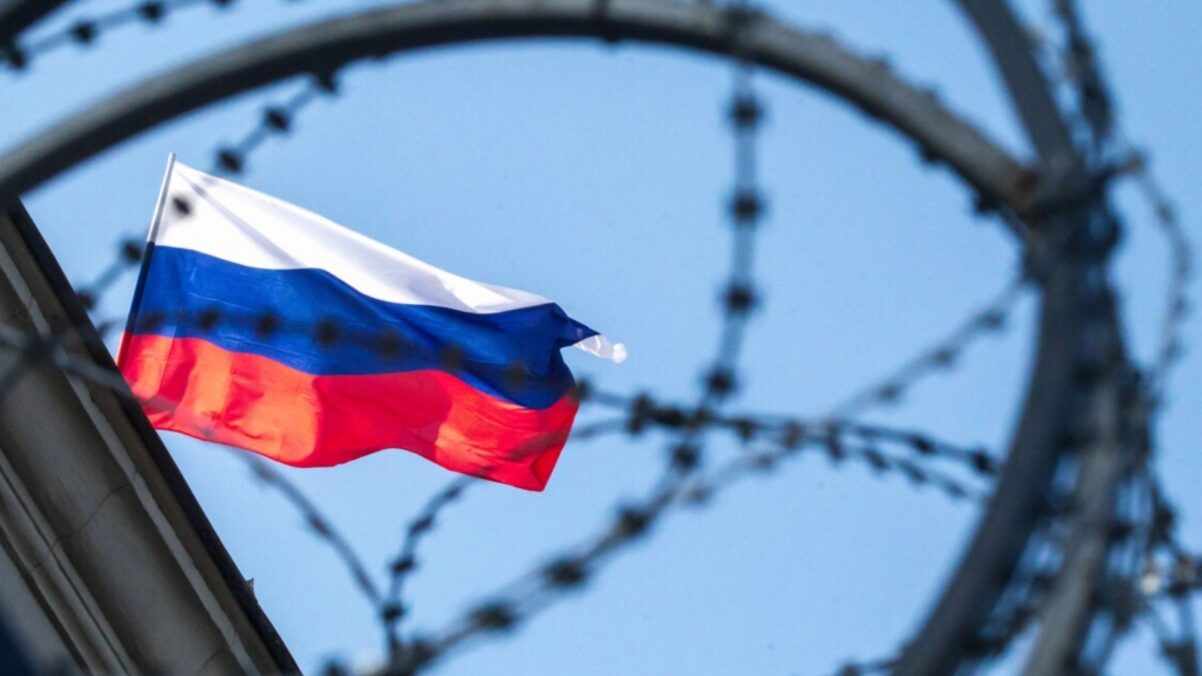
Special Tribunal for Russia: Political Support Grows, but the Key Question Remains Unanswered
The process of creating a special tribunal for the crime of aggression against Ukraine has noticeably moved forward. After months of delays, doubts over financing, and debates about realistic launch timelines, the initiative has gained new political momentum. Twenty-one countries are now ready to join the agreement, including Germany, France, and the United Kingdom states without which the financial model of such a judicial mechanism would be nearly unviable.
“Time for Action” analyzed the situation surrounding the special tribunal, and the main conclusion is clear the process is no longer stalled, but it is too early to speak about a rapid launch of a fully functioning court. Political support has increased, but the budget, timelines, and practical organization of the tribunal remain unresolved.
The special tribunal is intended to prosecute the crime of aggression that is, the decision to initiate and conduct war against Ukraine. This is a distinct area of responsibility, separate from investigations into war crimes, crimes against humanity, or genocide. It concerns the political and military leadership that made the decision to launch the invasion, ensured its execution, and continues the war. The beginning of 2026 was difficult for this initiative. Discussions around the tribunal were shaped by several challenges. One of them was concern that potential political agreements to end the war could weaken or even undermine the legal framework of the future court. At one point, discussions included a provision on possible amnesty, which was later removed. However, its mere appearance demonstrated how vulnerable the issue of accountability can be when diplomatic negotiations are taking place simultaneously. The second issue was funding. The Netherlands, where the tribunal is expected to be based, proposed a budget that exceeded the expectations of the countries supporting the idea. Security, infrastructure, detention facilities, and operational requirements became particularly sensitive topics. Public discussions included a figure of 70 million euros for a high-security detention facility alone. For donor countries, this was a clear signal: supporting the tribunal politically is easier than committing to undefined financial obligations. This is why the participation of major contributors matters. Germany, France, and the United Kingdom are not just influential participants. Their involvement determines whether the tribunal will have a real financial foundation. Without them, the initiative could remain legally sound but operationally weak. The participation of Costa Rica is also significant. It is the first country outside Europe to join the initiative. While its status as an associated participant does not imply substantial financial contributions, it is an important political step. The tribunal is gradually evolving from a European response to Russian aggression into a broader international effort.
At this stage, the key date is May 14-15, when the Committee of Ministers of the Council of Europe is expected to meet in Chișinău. This meeting is anticipated to finalize the expanded partial agreement that will serve as the legal basis for the tribunal. Ukraine expects that by then the number of participating countries will increase to at least 25. However, even a successful meeting will not mean an immediate start of judicial proceedings. The current phase focuses on building the institution. A core group is already working on organizational issues: premises, security, administrative structure, and technical infrastructure. This work is necessary for the so-called first phase – the creation of the tribunal’s “skeleton.”
During this phase, 15 judges are to be selected for the roster, a registrar appointed, core staff recruited, procedural rules developed, and mechanisms for international cooperation established. However, this will not yet constitute full judicial activity. Investigations, indictments, hearings, and verdicts will begin only in the second phase. This is where the main frustration arises. The Netherlands projects the launch of the first phase at the beginning of 2028. For Ukraine, which expected a faster pace, this timeline appears excessively slow. Especially when compared to historical precedents: the tribunal for the former Yugoslavia became fully operational within ten months in 1993. The Dutch position is that creating such a court requires complex solutions: security arrangements, detention conditions, witness protection, remote or in absentia proceedings, secure facilities, and international coordination. All of this carries significant costs. Yet those costs have not been definitively determined.
The budget remains the central issue in the entire process. Without it, countries cannot complete internal procedures, ratify agreements, or adopt government decisions. Declaring an intention to join is a political signal. Actual participation with financial commitments requires precise figures. This is the core contradiction: the political dimension is advancing faster than the financial and organizational one. Countries express readiness to support the tribunal, but lack a clear understanding of how much it will cost, how expenses will be shared, and what resources will be required at each stage. For Ukraine, the tribunal carries both legal and political significance. It is meant to establish that aggression against a sovereign state cannot remain without personal accountability. Even if initial proceedings are conducted in absentia, the fact of indictments and verdicts can become a crucial element of justice for victims.
At the same time, expectations must remain grounded. The special tribunal will not be launched immediately and will not serve as a rapid mechanism of punishment. It is a complex international institution dependent on political will, financing, legal procedures, and the readiness of states not only to support Ukraine rhetorically, but to assume concrete financial responsibilities. The current phase can be described as a turning point, but not a conclusion. Support has increased, major donors have joined, the first non-European country has participated, and the upcoming meeting in Chișinău may formalize the legal framework. However, without an approved budget and a realistic launch schedule, the tribunal remains an institution in formation rather than a functioning court. The coming weeks will determine whether political momentum can be translated into practical decisions. If states reach an agreement on financing and responsibility-sharing, the tribunal will move from declarations to real construction. If not, the process will continue to advance slowly, despite broad support.
About the Author

Related posts:
 Special Tribunal Without Immunity: Ukraine’s Legal Response to Russia’s War of Aggression
  The Hague, Dnipro, and the Special Tribunal: diplomacy, war, and justice converging on one day
  The U.S. May Cut Funding for War Crimes Investigations: What This Means for Ukraine
  EU Sanctions Against China: How the West Responds to Technological Support for Russia in the War Against Ukraine