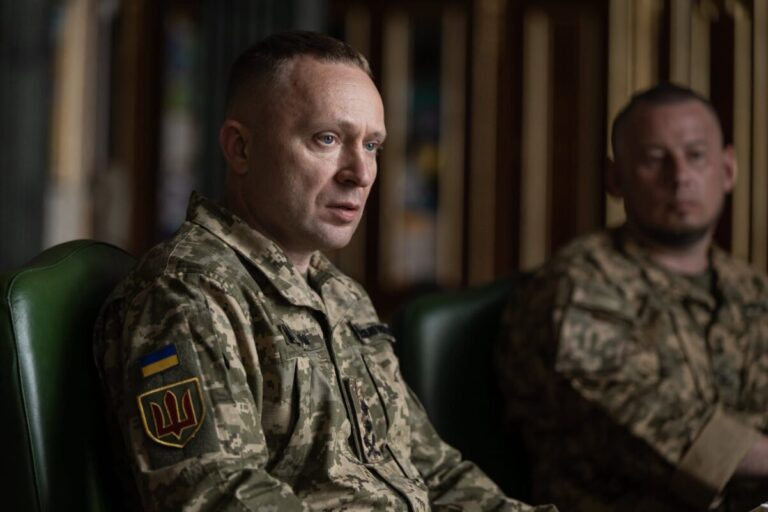
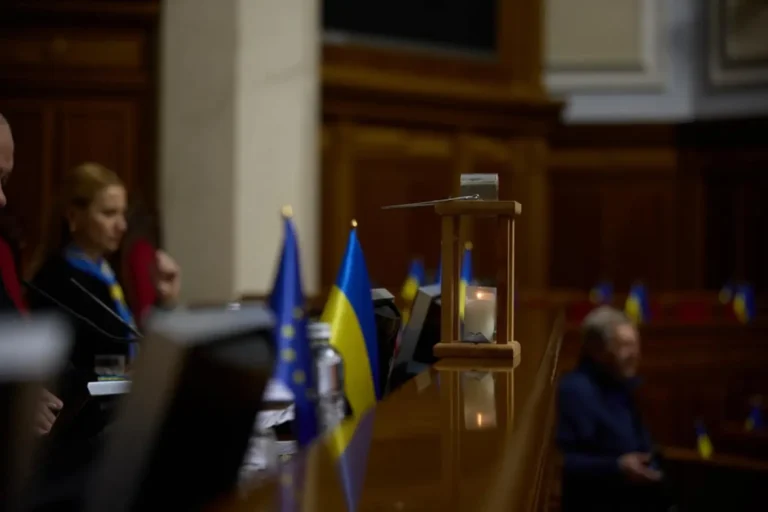
Abu Dhabi talks between Ukraine, the US, and Russia: what is known so far and what each side is demanding
On January 23–24, consultations involving Ukraine, the United States, and Russia are taking place in Abu Dhabi. Formally, these are not “peace talks” and not a final agreement, but a stage of technical and political contacts where the parties align positions and test readiness to move forward. The very fact of the talks and constant contact with the Ukrainian delegation was confirmed by President Volodymyr Zelenskyy during his evening address.
“Volodymyr Zelenskyy receives reports from the Ukrainian negotiating team almost every hour,” the president said.
Ukraine is represented in Abu Dhabi by a delegation led by the Secretary of the National Security and Defense Council Rustem Umerov. It was he who officially announced the completion of one of the negotiation rounds and confirmed that meetings will continue.
“The meeting was devoted to the parameters of ending Russia’s war and the further logic of the negotiation process aimed at advancing toward a dignified and lasting peace,” Umerov wrote.
The United States is represented in the process by the US president’s special envoy Steve Witkoff and Jared Kushner. On the Russian side, representatives of military intelligence and the army are participating. The names of Russian participants have not been officially disclosed. An important point: it has not been publicly confirmed that all Ukrainian officials mentioned in reports are physically present in the negotiating room. Some of them may be involved in consultations, coordination, or parallel contacts.
According to the president, the parties have already held a substantive discussion.
“The parties have already had an important conversation during which the parameters of ending the war were discussed,” Volodymyr Zelenskyy said.
This does not refer to a finalized document or the signing of an agreement, but to frameworks: security conditions, political constraints, and the possible logic of further steps. The president also stressed that Ukraine’s position remains unchanged.
“Ukraine’s positions are clear. I have defined the framework for dialogue for our delegation,” Zelenskyy said.
In parallel with the talks, the Kremlin is publicly voicing its conditions. The spokesperson for the Russian president Dmitry Peskov once again stated that the territorial issue is key.
“Ukraine, the Ukrainian armed forces must leave the territory of Donbas,” Peskov said.
This is not a new position and not a compromise proposal. It is a repetition of a Russian demand that Ukraine does not recognize and does not accept. It is important to note: such statements reflect the position of one party, not an agreed outcome of the negotiations.
Russian and some American comments mention a “20-point peace plan” and the “Anchorage formula.” According to Kremlin statements, these approaches are allegedly linked to previous contacts between the US president and Vladimir Putin. The key point: no official documents or texts of this plan have been made public. The Ukrainian side has not confirmed the existence of any agreed formula or territorial arrangements. In practice, this is an information framework actively promoted by Russia, but one that currently has no confirmed legal or political status.
Post List



Why these talks do not mean a quick peace
Despite strong wording, the talks in Abu Dhabi are not final and do not guarantee results. There are several reasons for this:
- the parties hold fundamentally different positions on territorial issues;
- there is no publicly recorded joint document;
- the process is unfolding in parallel with ongoing hostilities and shelling.
Umerov himself directly indicated that this is about continuing dialogue, not concluding the process.
“There will be more meetings tomorrow. The Ukrainian team is acting in a coordinated manner within the tasks set by President Zelenskyy,” he said.
At this stage, the talks in Abu Dhabi are:
- a test of the parties’ willingness to continue talking;
- an attempt to understand whether there is room for compromise;
- a diplomatic process with no guaranteed outcome.
Ukraine is clearly setting its red lines and confirming no concessions. Russia is repeating old demands. The United States is acting as a mediator and coordinator of the process. This is not a resolution and not a turning point. It is a stage that will show whether forward movement is possible or whether the talks will reach a dead end at the very start. This will become clear after the next rounds.
About the Author

Related posts:
 Trump-Zelensky-Putin Talks: Signals from Moscow and Ukraine’s Position
  Berlin Peace Talks: What Has Changed in the Positions of Ukraine, the US, and Europe
  Zelensky-Trump Talks: How Patriot Deliveries and U.S. Ultimatums Are Changing the War in Ukraine
  Talks in Istanbul: Why the Third Round Is Not About Peace, But Messaging