Ukraine’s Government Reshuffle: Energy and Defense Leadership Under Wartime Pressure
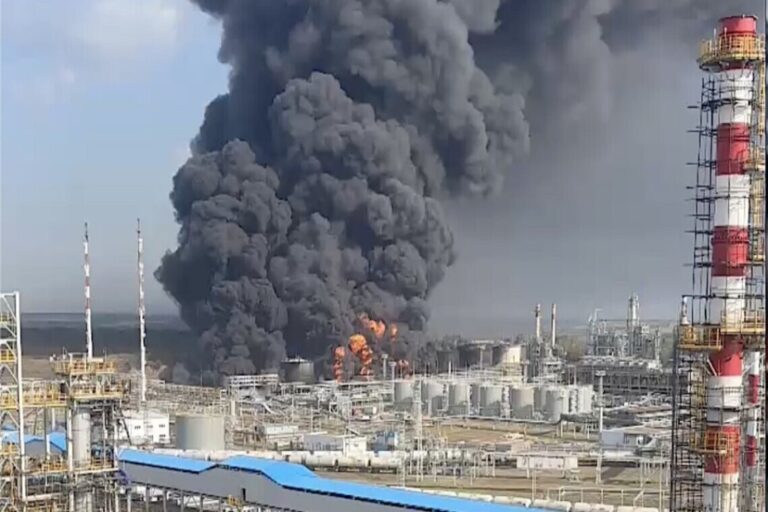
The beginning of 2026 has brought a sharp personnel reset within the Ukrainian government, going far beyond routine rotations. The Verkhovna Rada approved Denys Shmyhal as First Deputy Prime Minister and Minister of Energy on its second attempt, while Mykhailo Fedorov was appointed Minister of Defense. These decisions were made amid an energy crisis, ongoing Russian attacks, freezing temperatures, and a prolonged war that is increasingly exhausting state systems. For Time for Action, it is clear: this is not about individual career moves, but about a shift in how the state is governed during a war of attrition.
Denys Shmyhal: a bet on crisis management in energy
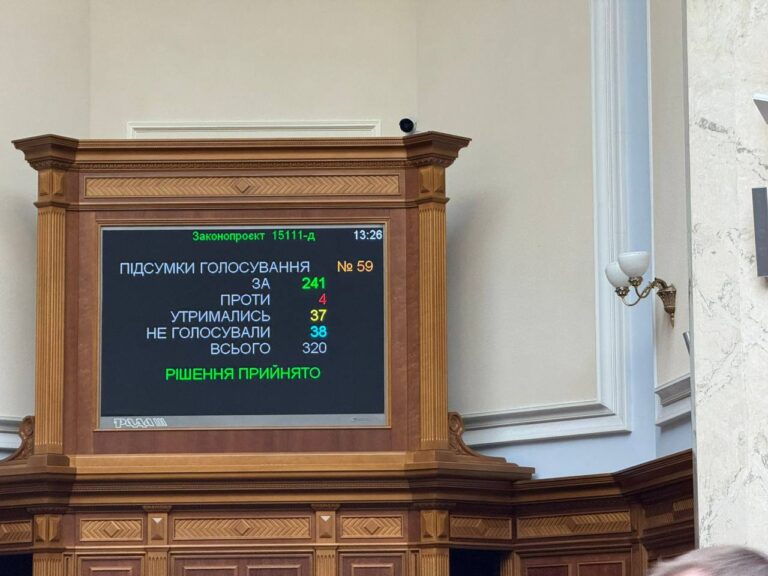
Denys Shmyhal’s appointment as Minister of Energy and First Deputy Prime Minister followed a politically uneasy pause. On January 13, parliament initially failed to secure enough votes, but a day later the decision passed with the support of 248 MPs. This shows that the need for a single center of responsibility for energy policy ultimately outweighed political hesitation. Shmyhal immediately described the reality he is stepping into:
“The situation in the energy sector remains critical, especially difficult in Kyiv and the Kyiv region, but I also clearly see the challenges in other regions and cities. The attacks continue, the frosts continue.”
His approach is built around three strategic directions that effectively form a new framework for wartime energy policy.
1. Recovery
The immediate priority is not development, but keeping the system physically operational. This includes:
- restoring damaged generation, substations, and distribution networks;
- building reserves of equipment and capacity;
- creating so-called energy battalions in frontline areas, staffed with specialists, equipment, and protection;
- introducing additional payments for energy workers and repair crews;
- restoring gas production and gas distribution infrastructure;
- supporting communities that cannot cope with these tasks on their own.
This is, in effect, an acknowledgment that the energy sector no longer operates under peacetime rules.
2. Resilience
The second direction focuses on protecting what is still functioning. Shmyhal directly calls energy the second front. Key steps include:
- expanding projects to deploy electronic warfare and air defense systems with the involvement of energy companies;
- continuing the construction of physical protection for energy facilities;
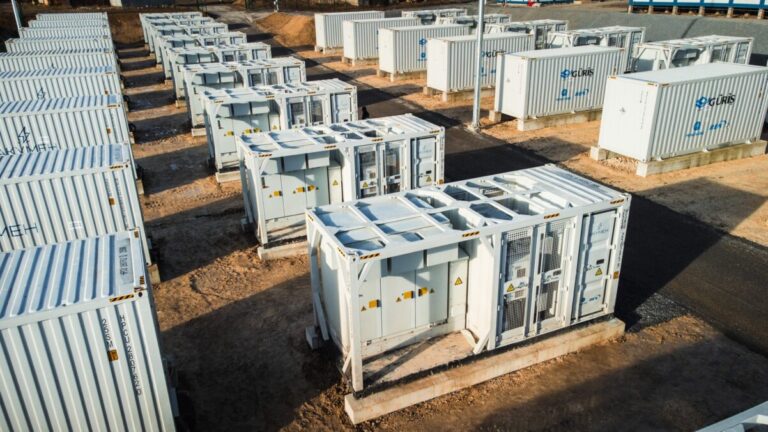
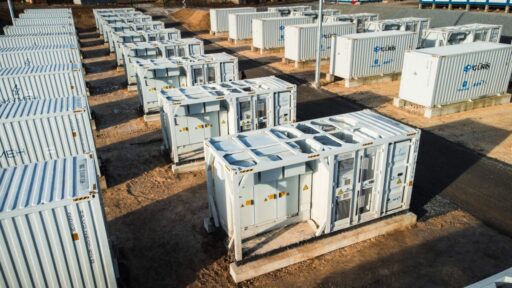
- developing decentralized generation as a response to mass strikes.
3. Modernization
Even amid crisis, the government is trying not to lose its strategic horizon. This includes:
- investments and public-private partnerships;
- launching the “Unified Bill” digital application to simplify payments and feedback;
- completing integration into the European energy space;
- modernizing power transmission lines at the EU border;
- building new interconnectors and increasing transformer capacity.
Mykhailo Fedorov: a technological turn in the Ministry of Defense
Mykhailo Fedorov’s appointment as Minister of Defense was supported by 277 MPs. His arrival at the defense ministry is one of the most unconventional personnel decisions of the war, yet it is logical given how the nature of warfare is changing. Fedorov clearly stated his position:
“I am taking on the role of Minister of Defense not as the minister who built a digital state and created ‘Diia,’ but as someone whose team has been working extensively on the war since 2022.”
According to him, the president set the task of building a system “that is capable of stopping the enemy in the air, halting advances on the ground, and strengthening asymmetric and cyber strikes against the enemy and its economy.”
This signals a shift in focus: from paper-based military bureaucracy to management driven by data, speed, and accountability for results.
Expectations and concerns
Assessments of Fedorov’s appointment are divided. Part of the military community and defense industry expects:
- digitalization of outdated procedures;
- reduced chaos in accounting and logistics;
- greater transparency in the use of budget funds.
At the same time, there is cautious skepticism. Technology cannot replace people, command structures, and training. One of the key warnings sounds like this: a focus on drones and digital solutions must not turn into the illusion of a quick miracle.
Post List

Why these appointments happened now
Personnel decisions in energy and defense are a response to a reality in which:
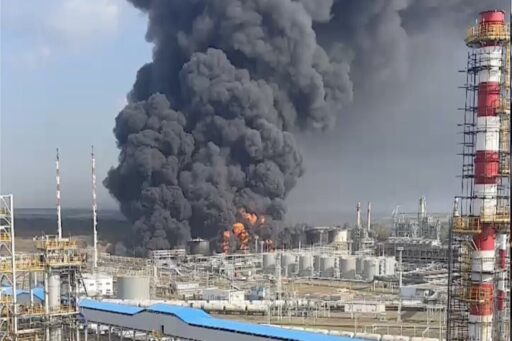
- Russia is systematically striking infrastructure;
- winter intensifies resource shortages;
- the war is entering a phase of prolonged exhaustion;
- any management mistake has immediate consequences.
The state is betting on people who have already worked under constant crisis conditions, not political newcomers. This is not about reformist pathos. It is about system survival.
The new appointments signal that Ukraine is moving into a mode of tight, concentrated governance, where energy and defense are treated as a single line of national resilience. This is not a promise of rapid breakthroughs. It is an attempt to preserve controllability at a moment when the country is operating at the limits of its capacity. And that is the core meaning of the government reshuffle at the start of 2026.
About the Author

Related posts:
 One Hundred Days of Yulia Svyrydenko’s Government: Defense, Reforms, International Support and Digitalization
  Government Resignation During Wartime: Why Political Reshuffles Became the Main Topic and What to Expect Next
  Patriot for Ukraine: How Allies Are Changing the Approach to Air Defense
  Ukrainian DOGE: is it possible to create a government efficiency department modeled after the US?