Energy System Without a Safety Margin: Why Ukraine Can No Longer Simply Build New Generation
Ukraine’s energy system is entering a period in which the old logic of operation no longer provides sufficient resilience. Previously, the main answer to electricity shortages seemed obvious more power plants, more production, more capacity were needed. But the current situation shows otherwise. For stability, it is no longer enough only to generate electricity. It is equally important to be able to store it, quickly release it into the grid, and balance the system when consumption changes faster than generation. Time for Action analyzed why energy storage is becoming one of the key areas for Ukrainian energy, how it works in practice, and why this market is gradually moving from a technological niche into a separate element of infrastructure.
In recent years, the operating conditions of Ukraine’s energy system have changed sharply. Due to Russian attacks, according to Yasno, up to 50% of generating capacity has been lost. This means that the system is operating with a smaller safety margin than before. During peak hours, a deficit emerges, which has to be covered by imports, consumption restrictions, or outages for balancing. At the same time, dependence on electricity from European countries is increasing. At first glance, the answer is simple: generation needs to be expanded. But modern energy no longer works according to the old scheme, where it is enough to build more large power plants and stabilize the system in this way. That model was more effective when demand was relatively predictable and most production was provided by traditional energy sources.
Today, renewable energy sources are playing an increasingly important role in the energy balance. Solar and wind generation are actively developing in Ukraine. In the first half of 2024, the share of renewables in the energy structure was 9.8%, and by mid-2025 it had already reached 17.3%. By 2030, the government plans to increase the share of renewable sources in the energy balance structure to 27%. This opens up new opportunities, but at the same time creates a new level of complexity. Solar generation depends on the time of day and weather. Wind generation depends on wind strength. They do not always produce electricity exactly when consumption is highest. As a result, the system receives not only new generation, but also new unevenness. This is where the main question arises how to manage electricity that is produced not according to the consumer’s schedule, but according to natural conditions. If solar plants can produce a surplus during the day, this does not guarantee stability in the evening, when consumption rises and solar generation falls. There may be enough energy during the day, but not enough at the moment when the system needs it most. Other energy markets have already faced this problem. One of the most revealing examples is California. The state actively developed renewable energy, and in 2023 green energy provided 67% of the state’s entire energy balance. However, a large share of renewables did not mean automatic stability.
In August 2020, California faced a crisis situation. On a hot summer day, air conditioners were used en masse. During the day, when solar generation was operating actively, the system had enough electricity. But in the evening, consumption rose sharply, while the output of solar plants began to fall. As a result, more than 800,000 households were left without power. This case showed an important thing the problem may lie not only in the amount of electricity produced, but also in the time when it is available. If the system cannot store the surplus and use it later, even significant generation volumes do not protect against shortages during peak hours.
After that, California began actively scaling energy storage systems. Within a few years, the installed capacity of battery systems increased more than threefold and exceeded 13 GW. A technology that had previously been seen as an additional element became part of the normal operation of the energy system. For Ukraine, this experience is especially important. The country is going through several processes at once losing part of traditional generation due to attacks, increasing the share of renewables, becoming more dependent on imports, and needing rapid tools to stabilize the grid. Under such conditions, energy storage no longer looks like a future option. It is becoming a practical need for energy resilience.
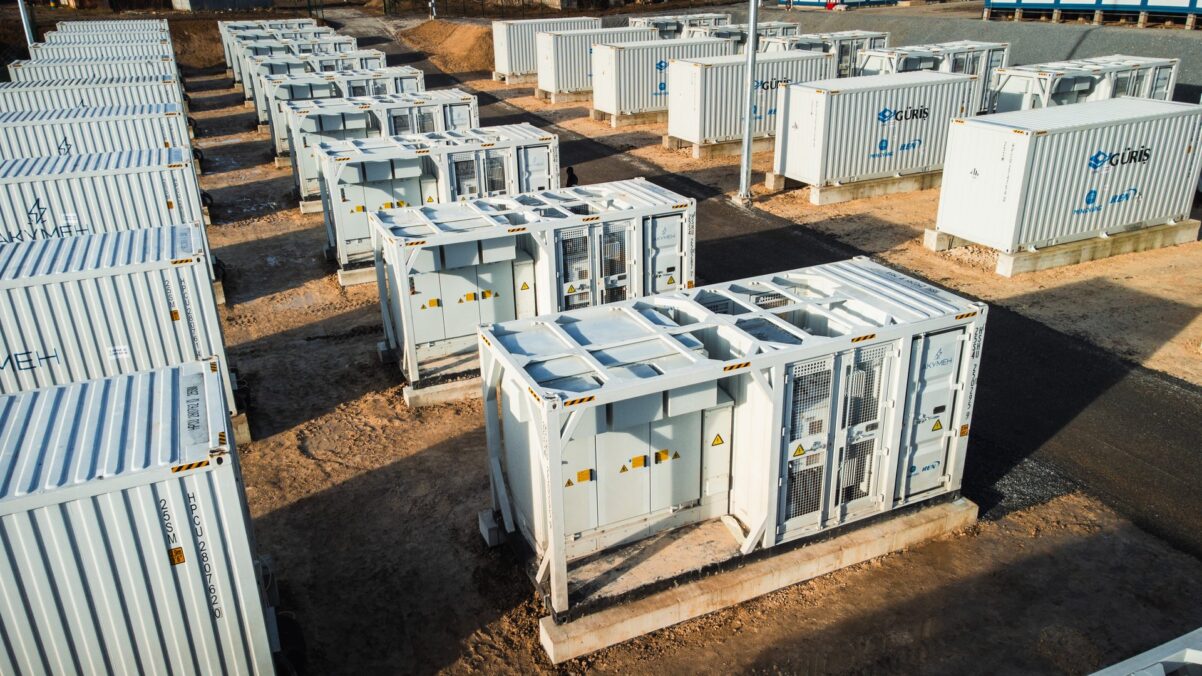
Energy storage systems operate according to a simple logic they can take electricity when there is a surplus or when it is cheaper, and release it when the system faces a deficit or when the price rises. For the energy system, this means rapid response. For the market, it means a new model of earnings. For investors, it means an opportunity to participate not only in electricity production, but also in its flexible management. In Ukraine, this area has already begun moving from theory to practice. In May 2026, the first investment energy storage facility by Ecotech Invest was launched in the west of the country. For the market, this became an important signal: the energy storage model can work as a real infrastructure facility, not only as a promising idea. The facility immediately began operating and generated 139,500 hryvnias in revenue during its first weekend. This example is important not only because of the amount of first revenue. It shows that a storage system can be integrated into the energy market, work with electricity, participate in balancing, and create an economic result. This is exactly how a new segment of energy is formed, where value comes not from the fact of production itself, but from the ability to respond quickly to the system’s needs.
Energy storage systems can operate in several market areas at once. One of them is energy trading. Its principle lies in the difference in prices during the day electricity can be bought cheaper, stored, and sold at a higher price when demand and prices rise. This model is especially important for a market where the price of electricity changes depending on the hour, load, and situation in the system. Another area is the balancing market. It is needed to even out the system when actual consumption or generation differs from planned indicators. At such moments, a rapid response is required: either add electricity to the grid or, conversely, absorb it. Energy storage systems can perform this function much faster than many traditional generation facilities.
Ancillary services play a separate role. For the stable operation of the energy system, the grid frequency must be maintained at 50 Hz. If the balance between consumption and production is disrupted, this affects the operation of the entire system. In this case, the operator pays not only for electricity, but also for readiness to respond quickly. In other words, revenue can be generated even for the facility’s availability to operate, not only for the actual sale of electricity. This changes the usual logic of the energy market. Previously, the main value was concentrated in production: whoever generated more electricity had a greater role in the system. Now another ability is becoming increasingly important managing electricity over time. In modern energy, what matters is not only how much electricity has been produced, but also when it is available, how quickly it can be supplied to the grid, and whether the system can absorb surplus without losses to stability. That is why energy storage is gradually turning into infrastructure. This market involves not only battery or equipment suppliers. A broader ecosystem is forming energy project developers, engineering teams, storage system operators, traders, financial partners, and investors. All this creates a separate direction of the energy economy, where flexibility becomes the main advantage.


For Ukraine, this flexibility has special significance. The energy system operates under constant risks, high load, and the need to adapt quickly to damage. At the same time, the country is gradually increasing the share of renewable generation, which requires new management tools. Without storage, it is more difficult to use the advantages of renewables fully, because surplus electricity in one period does not solve the problem of a deficit in another. Ukraine’s energy storage market is only beginning to take shape. But the main direction of change is already visible: the future stability of energy will depend not only on new power plants. It will depend on whether the system can respond quickly, store resources, balance demand and generation, and operate without critical failures during peak hours. Energy storage does not eliminate the need for generation. It solves another problem it makes electricity available when it is needed most. For Ukraine, which is simultaneously restoring its energy system, integrating with the European market, developing renewables, and operating under the constant threat of attacks, this may become one of the practical tools of energy resilience.
About the Author

Related posts:
 How the generation segment of Ukraine’s energy market is changing in 2025 facts, numbers, and new trends
  The New Energy Landscape of Ukraine: Small-Scale Generation, Challenges and Development Strategy
  Power Outages in Autumn 2025: How the Energy Sector Changes Under the Pressure of Attacks
  Solar Energy in Ukraine: What Works Today and Which Technologies Will Shape the Market by 2030