European Car Market Changes Its Engine: Why Petrol and Diesel Are Losing Ground to Electric Cars and Hybrids
The European automotive market is returning to growth, but it is no longer the same market that for years relied on petrol and diesel models. In April 2026, 972,300 new passenger cars were registered in EU countries, which is 5.1% more than in the same period last year. At first glance, this is an ordinary signal of demand recovery. But the structure of sales shows something else buyers are increasingly choosing electrified cars, while classic internal combustion engines are gradually losing their former advantage.
Time for Action analyzed why the April statistics of the European car market are important not only for automakers, but also for everyone who follows the future of transport. Europe is not just selling more cars. It is changing the very logic of choice: drivers are calculating fuel costs, looking at environmental requirements, assessing the availability of charging infrastructure, and increasingly seeing an electric car or a hybrid as a practical alternative, not an experiment.
Electric Cars Are No Longer a Niche Choice
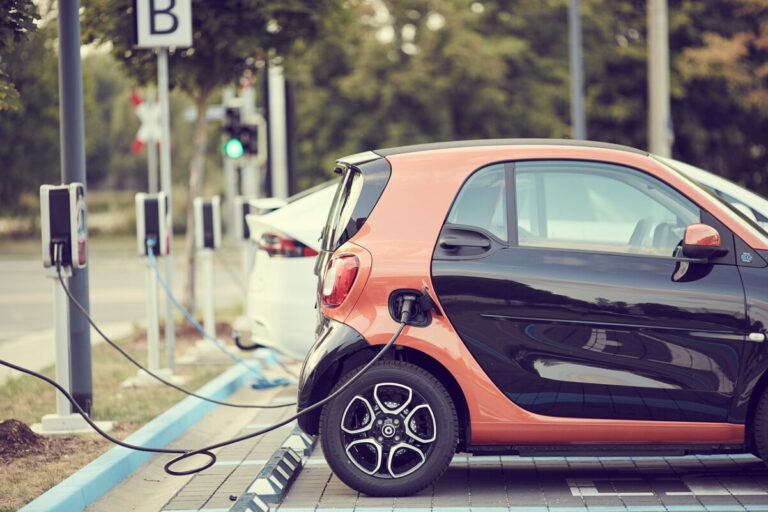
The fastest-growing segment in April was fully electric cars. Registrations of BEV models increased by 37.7% and reached 200,117 cars. This is one of the most noticeable signals of the month: electric cars are no longer supported only by enthusiasts, government programs, or image-driven demand. Previously, buyers were often held back by two things the price of an electric car and the lack of charging stations. These problems have not disappeared completely, but their influence is weakening. Model lineups are expanding, manufacturers are offering more options in different price segments, and charging infrastructure is gradually becoming a more familiar part of European roads.
For the market, this means an important shift: the electric car is moving from the category “for a separate audience” into the category of a mass choice. Buyers are now more often comparing not only brand or design, but also operating costs, access to low-emission urban zones, tax incentives, and the future resale value of the car.
Hybrids Remain the Main Compromise
Despite the rapid growth of electric cars, hybrid vehicles remained the largest category in April. Europeans registered 359,056 HEV models, which is 12% more than last year. This shows the caution of some buyers. Many drivers no longer want to depend fully on petrol or diesel, but are not yet ready to switch completely to electric power. For them, a hybrid looks like an intermediate solution: lower fuel consumption, lower emissions, familiar refueling, and no full dependence on a charging network. That is why hybrids now play the role of a bridge between the old and the new car market. They give drivers the feeling of familiar technology, while also meeting the demand for more economical and more environmentally friendly transport.
Plug-In Hybrids Are Gaining Strength Because They Remove the Fear of Long Trips
Plug-in hybrids also showed growth. In April, their registrations increased by 16.4% and reached 95,565 cars. For some buyers, this is an even more convenient compromise than a regular hybrid. Such cars allow people to move around the city on electric power, while keeping a reserve of confidence for long-distance trips. This is important for those who do not want to plan every route around charging stations or who often travel between cities. Demand for plug-in hybrids shows that buyers do not always move toward electrification in a straight line. For many, the transition from petrol to a fully electric car happens through intermediate technologies that reduce risks and do not force them to sharply change their habits.
Petrol and Diesel Are Losing Ground
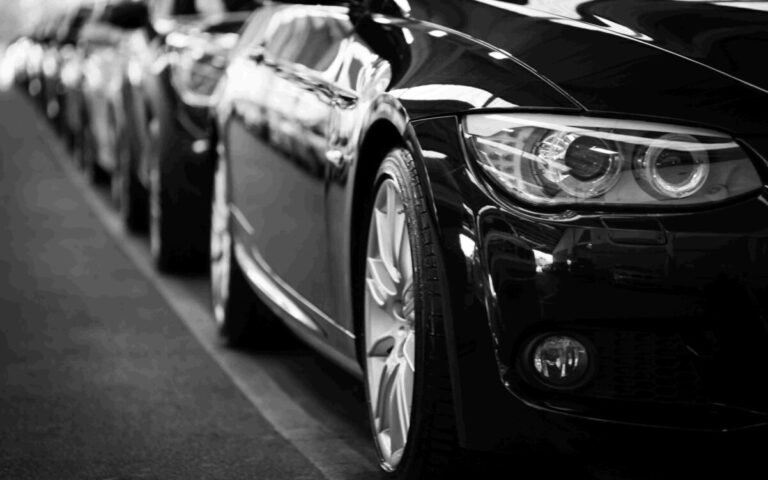
The market shift is most visible in the decline of traditional cars. Sales of petrol models in the EU in April fell by 16.3% to 218,485 cars. Diesel cars declined even more sharply minus 17.1%, with only 73,982 registrations. These figures are already difficult to explain as random fluctuations. The European buyer is gradually moving away from models that until recently were the foundation of the market. Petrol remains a significant category, but it no longer looks like the unquestioned default choice. Diesel, which was once especially popular among European drivers because of its economy on long distances, continues to lose trust and market share. There are several reasons stricter environmental rules, tax pressure, future restrictions for cars with high emissions, a change in manufacturers’ offerings, and growing interest in lower operating costs.
Automakers Are Already Rebuilding Their Strategies
The transformation of the market is not happening by itself. Manufacturers are actively expanding their lineups of electric cars, hybrids, and plug-in hybrids. For them, this is no longer an additional direction, but a necessity dictated by European regulations, competition, and buyer expectations. More and more companies are officially announcing a gradual phase-out of internal combustion engines in the coming years. This does not mean the immediate disappearance of petrol and diesel cars, but it does mean that major investments, engineering resources, and marketing are increasingly moving into the segment of electrified transport.
When a manufacturer gives the most attention to new electric platforms, the buyer also begins to perceive them as the future standard. The market changes not only because of demand, but also because supply gradually leads the consumer in a new direction.


Europe Is Recovering, but Already Under Different Rules
Since the beginning of 2026, almost 3.8 million new passenger cars have been registered in the European Union. This is 4.2% more than in the same period last year. Such growth shows gradual recovery after crisis years, but the main point is not the sales volume itself, but the change in proportions inside the market.
The European car market is no longer returning to the old model. It is recovering in a different form with a larger role for electric cars, stable demand for hybrids, growth of plug-in hybrids, and weaker positions for petrol and diesel. This is an important signal for other markets as well, including Ukraine. Europe is shaping standards that affect manufacturers, imports, the used-car market, and the future availability of models. What is becoming a trend in the EU today will later change the choices of buyers in other countries.
The main conclusion is clear a car in Europe is increasingly defined not only by purchase price or brand. Operating costs, environmental restrictions, access to infrastructure, government incentives, and manufacturers’ readiness to offer new models are coming to the forefront. Petrol and diesel are not disappearing yet, but they no longer control the market the way they did before. The European buyer is gradually voting for a different type of mobility cautiously, unevenly, but increasingly confidently.
About the Author

Related posts:
 Diesel Passenger Cars in Ukraine Are Losing Ground but Not Disappearing from the Market
  Electric Vehicles Without the Hype: Why Automakers Are Slowing the Pace and What It Means for the Market
  Electric Vehicles in Ukraine: How Rising Fuel Prices Are Reshaping the Car Market
  Ukraine’s Used Car Market in 2025: Import Records, Electric Shift, and Tax Expectations