2026 Beauty and Fashion Trends: Thin Brows, Millennialcore, and the Return of Flats
In 2026, the beauty and fashion industries show a clear shift toward retro aesthetics, but without copying the past directly. The focus is on reinterpreting familiar shapes, prioritizing practicality, and moving away from a single dominant standard. Time for Action took a close look at how these processes appear in three of the season’s most visible directions brows, clothing, and footwear.
The move toward the 1990s and the 2010s looks less like a nostalgic game and more like a response to oversaturation. The market is tired of overly complex makeup, constant filtering on social media, and trends that push one “correct” type of appearance. The 2026 season answers with simple, recognizable choices that are easy to adapt to the individual.
Thin brows are returning as an option, not as a new mandatory canon. Full brows remain relevant and still signal naturalness, but they are no longer the main reference point in makeup. The thin shape is reappearing in beauty practice as a way to add graphic definition and a touch of minimalism. What matters is that the modern version is not about aggressive overplucking. The approach has shifted: specialists recommend creating the effect with makeup, preserving the hair and keeping the freedom to change the shape depending on mood, occasion, or style. This trend does not work equally well for every face type. Thin brows enhance expressiveness when the face has clear structure, large eyes, and defined features. For softer features, they can be risky: they can make the face look more tired and can add years. This is where the season’s key logic becomes clear an individual approach matters more than universal advice.
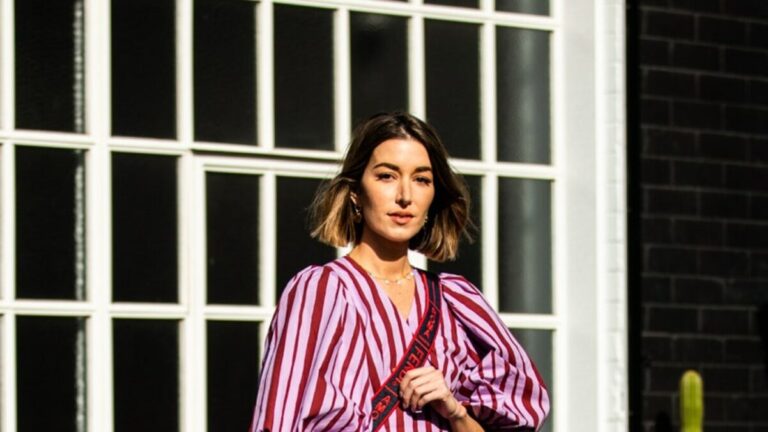
At the same time, runway fashion is bringing back the aesthetics of the 2010s in a more refined version. The trend has already been labeled millennialcore. It is built around a recognizable set of pieces and proportions: skinny jeans, peplum tops at the waist, chunky jewelry, and minimal accessories. This direction is not trying to recreate the era literally. It takes what is easy to read and quick to build into everyday outfits. It is also important to understand why this period is returning. Nostalgia functions not as sentiment but as a mechanism of cultural identification. Millennials are actively shaping the cultural agenda, so it is natural for fashion to revisit items that were part of their everyday style. Another push came from waves of viral nostalgia on social media, when people shared old photos and brought familiar style codes back into circulation. The third major direction of the season is flat-soled footwear that clearly references the 1990s. In 2026, flats stop being a neutral basic and become a full-fledged statement. This choice supports the broader shift toward comfort and practicality, without sacrificing style.


Four models remain at the center, and each fits easily into different wardrobes. Loafers, with their restrained elegance, work as a universal option for both classic and casual looks. Ballet flats return as a clean, minimalist classic, where the lack of extra details makes the pair appropriate for the city and for the office. Mary Jane flats add character through a strap and a rounded toe, and modern versions can include studs, rhinestones, velvet, or leopard print. Oxfords and brogues once again play on the contrast between masculine strictness and feminine styling they are suggested with midi and mini skirts, suits, white socks, or dense tights.
All of these directions come down to one shared logic. The 2026 season does not demand a total reinvention. It offers a set of tools that can be tried on, adapted, and combined. Thin brows do not replace full brows, millennialcore does not cancel other styles, and flat shoes do not mean giving up expressiveness. This is a year in which style is built not on rules but on choice and that is exactly what makes the trends more viable in real everyday wardrobes.
About the Author

Related posts:
 Ukrainian Fashion Week FW26-27 how Ukrainian fashion shapes the future during wartime
  Seven Spring-Summer 2026 Trends You Can Style Easily Without Buying Anything New
  Ukrainian Fashion Week in March as a Marker of Professional Responsibility
  Austrian Neutrality: A History of Compromise and a New Point of No Return