Ukraine Energy Emergency 2026 How Businesses and Cities Reduce Electricity Consumption
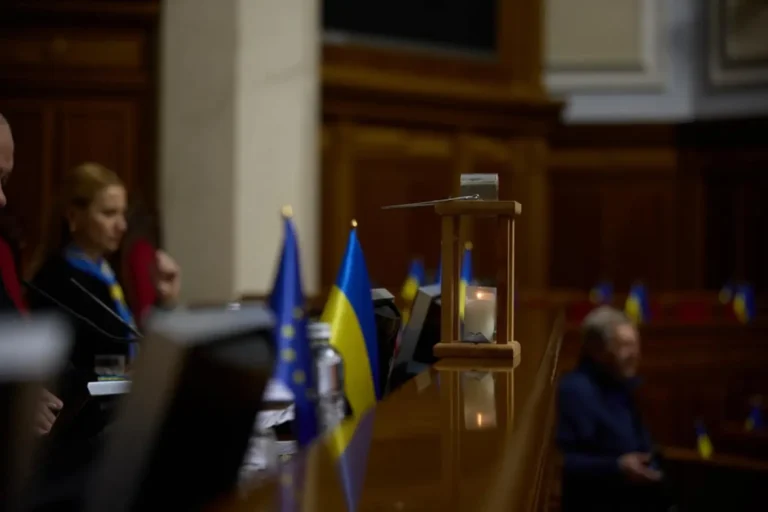
Since 14 January 2026, a state of emergency in the energy sector has been in effect in Ukraine. The reason is systematic attacks on energy infrastructure and low temperatures that increase consumption. At various times, Kyiv, Kharkiv, Sumy, Dnipropetrovsk, and other regions are left without electricity and heating.
Time for Action analyzed how, under these conditions, the state and businesses are restructuring their approaches to electricity consumption and which decisions are already working in practice.
Calls for rational electricity use were heard from the first strikes on the energy system. However, in 2026 deficit management entered a different phase. After government decisions at the end of 2025 and the introduction of the emergency regime, restrictions became concrete and measurable. In Kyiv, outdoor lighting is allowed at no more than 20% of capacity or only half of the fixtures may be switched on if there is no dimming option. Architectural and decorative lighting is completely prohibited. These standards mark a transition from voluntary savings to clearly defined limits. At the same time, the lists of facilities with priority electricity supply were revised. The share of non-household consumers in these lists was reduced. The state is concentrating resources on critical infrastructure and the basic needs of the population.
Shopping Malls as Major Electricity Consumers
Shopping and entertainment centers are among the largest commercial electricity consumers. Some Kyiv companies publicly announced reductions in lighting of 70–95%. Where exact figures are not disclosed, businesses report reduced brightness during the day and complete shutdown at night. Minimal lighting at 5–30% is maintained near entrances for safety and navigation.
At the Spartak center in Lviv, outdoor lighting was adjusted in line with stricter restrictions. Signage is not switched on, and stylobate lighting operates approximately from 17:00 to 23:00 at 50% capacity. Only lighting necessary for security and basic functioning remains outside.
According to the center’s administration, the largest share of electricity consumption comes from heating systems and heat carriers rather than lighting. Emergency and functional lighting have minimal load and can operate even during restrictions. Decorative elements are switched off first.
In addition to limiting lighting, centers apply further measures: downward-moving escalators are turned off, temperatures are reduced to the minimum permissible level, and electric air curtains at entrances are not used. Generators are activated only for critically important systems, as autonomous generation is significantly more expensive.
Dimming and Own Generation
At Lavina Mall and Blockbuster Mall in Kyiv, it is emphasized that any element of outdoor lighting is part of overall energy consumption, yet thanks to LED solutions even decorative lighting carries minimal load. One of the key tools for reduction is dimming adjusting light intensity depending on the time of day.
Deputy Director for Administrative and Operational Activities Yaroslav Orlyk states:
“After launching the solar power plant, we did not completely abandon optimization measures. In particular, lighting dimming is applied regulating the intensity of the light flow depending on the time of day and actual demand. This allows us to maintain a balance between the visual attractiveness of the facility and rational energy consumption.”
These centers have their own solar power plant with a capacity of about 4 MW, supplying part of the engineering systems. Engineering systems can also be covered by diesel generators if necessary. The effect of such decisions is assessed strategically as reducing dependence on electricity market fluctuations and increasing cost predictability.
Another instrument is imported electricity. In November 2025, the Lviv-based Victoria Gardens began purchasing imported power. According to the Retail Association of Ukraine, the contract allows the mall to receive about 70% of the required volume regardless of outages, ensuring 2.5–3.5 MW of capacity. Generators remain a backup, with their total capacity together with tenants reaching about 7 MW.
Respublika Park, Gulliver, and the Epicenter chain previously switched to imported electricity as well. Despite higher tariffs, this option is often cheaper than prolonged operation of diesel generators.


Outdoor Advertising as a Separate Segment of Savings
Outdoor advertising remains a significant electricity consumer city lights, backlights, and digital LED screens. As of mid-February, consumption on digital and facade media in Kyiv was reduced by 78%. Around 3,800 billboards were switched off, and brightness of other structures was limited.
In February and March, voluntary nighttime shutdown schedules for digital constructions are in place. For LED screens, dynamic brightness regulation is applied depending on the technical capabilities of each display.
A typical LED billboard has a capacity of 3.6–9 kW, corresponding to 3.6–9 kWh of electricity per hour of operation. For comparison, a hair dryer at maximum power consumes approximately 1.8 kWh per hour. Some digital structures have backup power batteries or connections to building generators.
A New Model of Urban Consumption
The energy crisis of 2026 has changed approaches to electricity consumption in cities. Restrictions have become systemic, and optimization has become comprehensive. Businesses are cutting decorative expenses, investing in their own generation, and seeking stable supply sources. City authorities are setting clear rules for the commercial sector while maintaining priority for critical infrastructure.
Energy security is becoming a factor that determines economic decisions, the visual architecture of urban space, and the financial strategy of large facilities. In 2026, this is no longer a temporary reaction but a new operating model under prolonged resource deficit conditions.
About the Author

Related posts:
 Energy Emergency: why the state is shifting to crisis mode and what it means for people
  Energy Strikes on Ukraine, Emergency Blackouts and the Belgorod Attack
  How the generation segment of Ukraine’s energy market is changing in 2025 facts, numbers, and new trends
  Slovakia Threatens to Suspend Emergency Electricity Support to Ukraine