Joint Control over Zaporizhzhia NPP: Is Compromise Possible in Peace Plan?
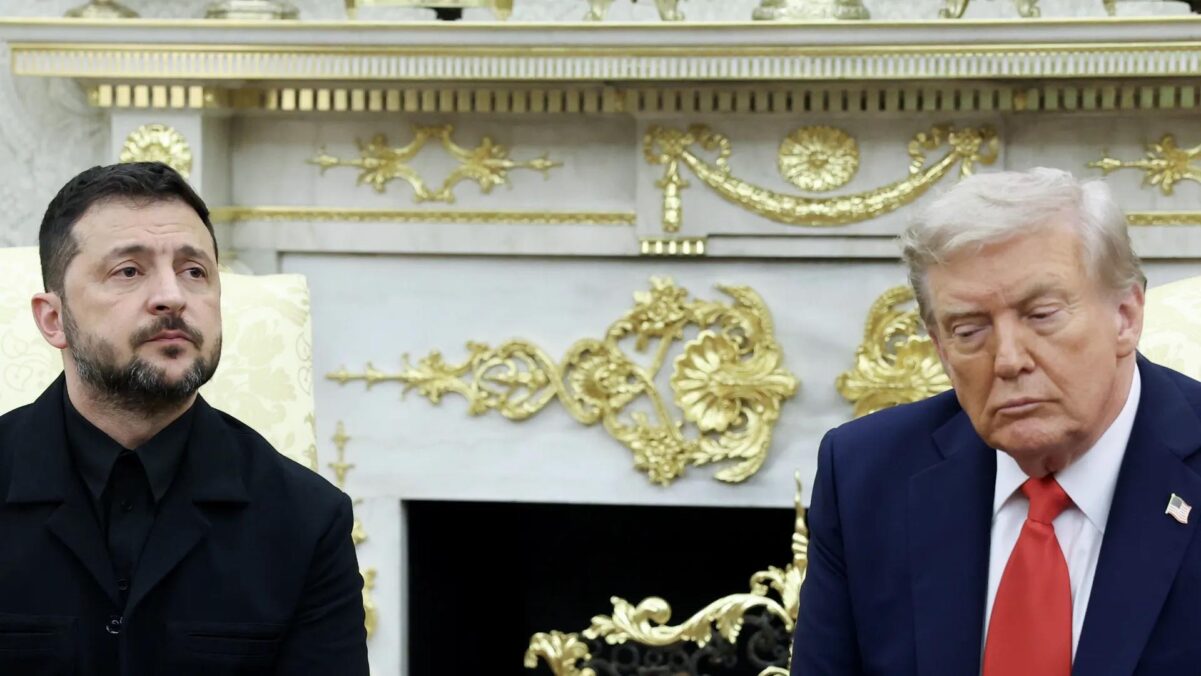
The publication of the unofficial “Russian-American” peace plan, one of whose points became the idea of joint control over the largest nuclear power plant in Europe, the Zaporizhzhia NPP, provoked a heated debate in Ukraine. The document, which, according to Western media, was developed by teams from the USA and Russia and consists of 28 points, has not yet been officially confirmed by any party. However, the details of its content already raise questions not only among politicians but also among energy sector experts.
One of the points in the published plan provides for restoring the operation of the Zaporizhzhia NPP under joint control of Ukraine and Russia, with a 50/50 distribution of electricity and IAEA supervision.
Formally, this scenario already contradicts the latest IAEA resolution, where the agency calls on Russia to return the ZNPP to full Ukrainian control. Legally, it is also impossible to implement such a scheme under current Ukrainian law, which clearly states: a state nuclear plant can have only one operator Energoatom. However, according to experts, the main difficulties are not only legal barriers. “If there is political will, they can be changed,” the specialists believe, but emphasize that the decisive factor is the technical state of the plant and the issue of synchronization with energy systems.
Technical and Energy Aspects: Why the Scenario of Joint Operation Is Doomed
Before the war, Zaporizhzhia NPP generated 43% of all nuclear energy in the country and 55% of Ukraine’s electricity in 2021. After the occupation in the spring of 2022, the destruction of the Kakhovka Hydroelectric Power Plant and power lines, all power units were switched to “cold shutdown.” Today, the plant does not generate electricity it only consumes it for cooling nuclear fuel and operating safety systems. Former Minister of Energy Olga Buslavets directly points out:
“There are concentrated enterprises of the metallurgical, chemical, and cement industries. These are all very energy-intensive productions that require a lot of electricity.”
Additionally, restarting the plant would also benefit the Russian side: electricity was previously supplied to Crimea, and the loss of other generating facilities in Donetsk region has only increased the deficit.
However, experts agree that “there are a whole series of technical tasks that need to be completed before launching. It takes at least two to three years to systematically solve these technical tasks” (Director of Analytical Research at DiXi Group Roman Nitsovych). The list of problems includes diagnostics of all systems, capital repairs, replacement of nuclear fuel, and restoration of cooling after the destruction of the Kakhovka Reservoir.
Since March 2022, the Ukrainian energy system has been synchronized with the European ENTSO-E, while Russia uses its own. Director of Energy Programs at the Razumkov Centre Volodymyr Omelchenko emphasizes:
“ZNPP cannot operate in two energy systems at the same time. Modernizing the plant so that it works in two energy systems will be extremely complicated and expensive.” Hennadii Riabtsev, Director of Special Programs at NTC “Psychea”, draws attention to the fact that it took Ukrenergo five years to synchronize with Europe, and repeating this process or ensuring dual dispatch management is technically impossible.
After the publication of the plan, several important diplomatic steps took place. President of Ukraine Volodymyr Zelensky, together with the leaders of France, Germany, and other European countries, is trying to rewrite the document, which Washington insists should be agreed upon immediately. European leaders urge the USA to give more time to avoid an ultimatum and a split in the Western position. US Senator Roger Wicker publicly called the document “mistaken and one that forces Ukraine to cede territories to the dictator.”
EU leaders and Kyiv have sharply rejected points regarding recognition of the occupied territories, reduction of the army, and abandonment of NATO.
Even if political will emerges, the scenario of joint control seems technically unrealistic and, from the standpoint of national interests, threatening. Potentially, this would turn the ZNPP into a very expensive and complex investment project, while the plant would physically remain in occupied territory. Washington warns of the possibility of ending support if Kyiv does not accept the proposed plan, and the negotiations themselves are marked by haste and pressure from the USA.
Post List

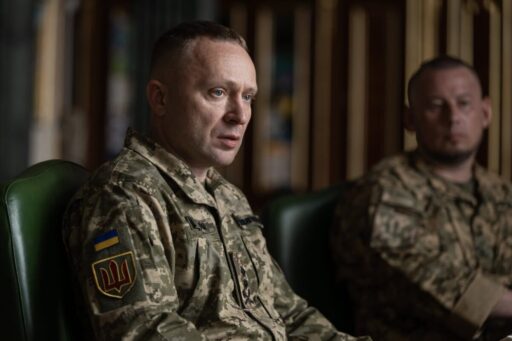
The idea of joint control over the Zaporizhzhia NPP looks like a political adventure, far from the realities of energy and engineering. Ukraine and the European Union are unequivocally against such compromises:
- this contradicts IAEA resolutions;
- it cannot be implemented within the framework of current legislation and energy standards;
- technically, the plant cannot operate in two energy systems.
“For the achievement of lasting peace, both sides must agree to difficult but necessary concessions. That is why we are developing and will continue to develop a list of potential ideas for ending this war based on proposals from both sides of the conflict,” said US Secretary of State Marco Rubio. However, even if there is political will, the implementation of joint control over the ZNPP is a multi-year and extremely costly project that risks becoming a source of new conflicts, not a solution.
Ukraine and its allies seek agreements that do not turn critically important infrastructure into a bargaining chip or a source of new risks for all of Europe. All this only underscores: true stability and long-term security are possible only if Ukraine has full control over its own energy facilities, and not under dual or supervisory formats imposed by political pressure.
About the Author

Related posts:
 How Currency Supervision Rules Are Changing: The Joint Initiative of the State Tax Service and the NBU
  How Elon Musk Shapes the American Political and Technological Agenda
  Government Resignation During Wartime: Why Political Reshuffles Became the Main Topic and What to Expect Next
  Musk vs. Trump: What’s Really Behind the Political Firestorm