Spermbots and Fertilization: How Technology Interferes with Natural Selection
Reproductive biology has long moved beyond the popular myth of a “passive egg cell” and a “heroic sperm cell.” Fertilization is not a coincidence and not a romantic story of victory. It is a strict system of selection in which the egg cell plays an active role and does not allow those who fail the test to reach the final stage.
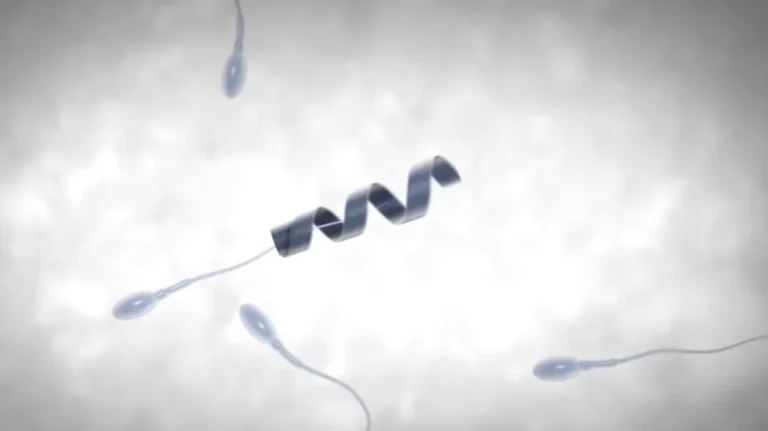
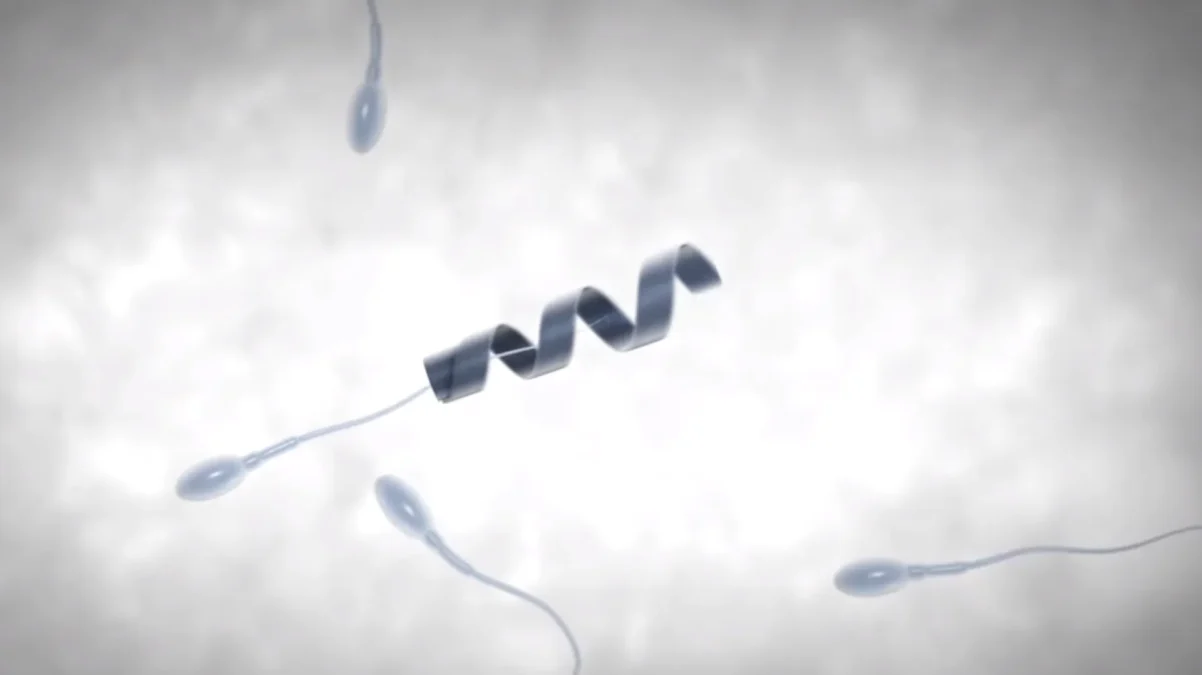
Today, this system is under pressure from technology. In particular, from developments aimed at overcoming male infertility. These include so-called spermbots microscopic mechanisms designed to help a sperm cell reach the egg even if it cannot do so on its own.
At the level of description, this looks like medical assistance. But a closer look at the fertilization process shows that this is not simply help. It is a bypass of selection.
The Egg Cell Does Not Wait It Filters
Fertilization begins long before the cells make contact. The egg cell releases chemical signals that not all sperm cells respond to, but only those capable of recognizing them. This is the first level of selection.
Next, the environment becomes hostile. Acidity, immune cells, and physical barriers reduce the number of candidates even before they approach the egg. he following stage is capacitation. Without these changes, a sperm cell cannot proceed further. This is not optional; it is a requirement. Then comes the layer of cells surrounding the egg. This is another barrier, passed only by those with sufficient energy and stability. The final stage occurs at the moment of contact. Even here, the egg is not passive. It triggers a reaction that blocks access for all others as soon as one sperm enters.
“As soon as the head of the first sperm crosses the boundary, the egg immediately releases a wave of calcium ions. This triggers the ‘cortical reaction’ the membrane becomes impenetrable for all others.”
This process is not random. It is built as a system of filters. Each of them eliminates those who cannot withstand the pressure.
What Spermbots Actually Disrupt
Spermbots are designed to bypass a key stage of this selection the sperm cell’s ability to move independently and reach the egg. If a cell does not make it, it is eliminated. This is the basic principle. The technology offers a different solution to deliver it by force.
“The logic of evolution is simple: whoever did not make it is not worthy.”
This is not a moral judgment. It is a description of how selection works. Motility is not a random trait. It is often linked to the internal condition of the cell.
When technology takes over this function, it does not assist the process. It changes it.
Why This Looks Like Serving Patriarchy
Reproductive technologies are rarely discussed outside their social dimension. And this is where a key question emerge: why are technologies actively searching for ways to compensate male incapacity, instead of addressing the logic of selection itself? Instead of recognizing that some cells fail natural selection, a tool is created to allow them to bypass it. This is not a neutral decision. It reflects a familiar pattern if the system does not work for the male side, it is altered. Even if that system already includes a mechanism of choice.
“We deprive the egg cell of its right to choose.”
This wording is sharp, but it accurately describes what is happening. The egg no longer filters out, at the earliest stage, those unable to reach it on their own.
Technology makes that decision instead.
The Risk That Is Being Ignored
Such technologies always raise the question of consequences. If low motility is linked to internal issues, these traits may be passed on.
“We pass on the same ‘weakness’.”
This is not a rhetorical exaggeration. It follows directly from the logic of the process.
If a cell fails selection but receives technological support, it still participates in fertilization. This changes how selection operates across generations.


What Remains Outside the Discussion
One question is almost absent from this debate. Why are resources directed toward bypassing natural selection rather than reducing the physical burden on women?
Premenstrual syndrome, hormonal disorders, pain these are part of real experience that does not receive the same level of technological attention.
Instead, solutions are developed that allow a cell that fails selection to still reach the final stage.
This imbalance is difficult to ignore.
Fertilization is neither romance nor coincidence. It is a system of selection in which the egg cell actively determines who gets a chance.
Technologies that intervene in this process change not only medical practice. They alter the principle of selection itself.
“When we use technologies like spermbots, we violate this mechanism of choice.”
This is a radical assessment. But it shows how strongly any interference in reproduction is perceived.
The question is no longer only whether science can help. The question is what exactly it changes and whether society is ready to accept those changes without simplifications or justifications.
About the Author

Related posts:
 Autopilot Without Illusions: Why Full Autonomy Is Still Not the Norm and What It Actually Takes for a Breakthrough
  Do Female Eggs Really Age? New Science Advances Study Debunks the Biological Clock Myth
  AI vs. Propaganda: How Grok Publicly Took Ukraine’s Side in the Platform War of Facts
  Ukraine’s Defense Technology Landscape: How Wartime Innovation Shapes a New Industry