Train Under Threat: How War Is Changing Safety Rules on Ukraine’s Railways
Ukraine’s railway system has long operated under wartime conditions, but recent developments show that risks to passenger transport have become more direct and more dangerous. It is no longer only about strikes on stations, tracks, or infrastructure. Trains themselves are becoming targets while in motion, and with them the people inside.
Time for Action has analyzed how the safety system on the railways has changed, why train delays are now often preventive decisions rather than mere consequences of attacks, and what this reveals about the evolving logic of war against civilian infrastructure.
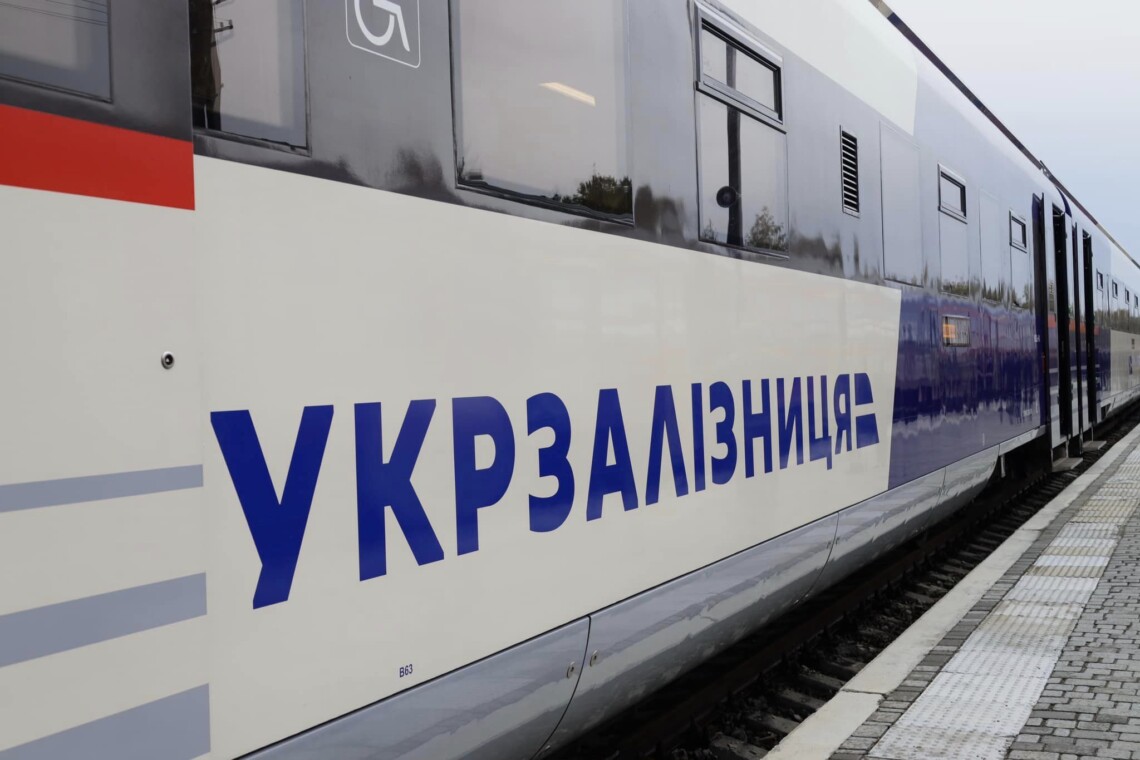
One of the most important changes is that the dispatch service of Ukrzaliznytsia has gained access to military airspace monitoring systems. This means railway operators are no longer working separately from the broader security picture. They continuously track the situation with attack drones and can make decisions not after a strike, but before it happens. This fundamentally changes the operating model. The railway is no longer just a carrier reacting to damage. It becomes part of an operational security system, where decisions about train movement are made with real-time awareness of aerial threats. If the danger to passengers is real, evacuation is ordered. If the situation is not critical, other measures are used: schedules are adjusted, trains are delayed, or routes are modified to reduce risk. That is why what appears to passengers as an unexplained delay may actually be part of a safety response.
“Through joint work of railway staff and the military, several hundred trains have been taken out of danger”
This statement reflects the scale of invisible work behind the scenes. Most passengers never realize how many times a train may have already been moved away from a threat before the danger became obvious.
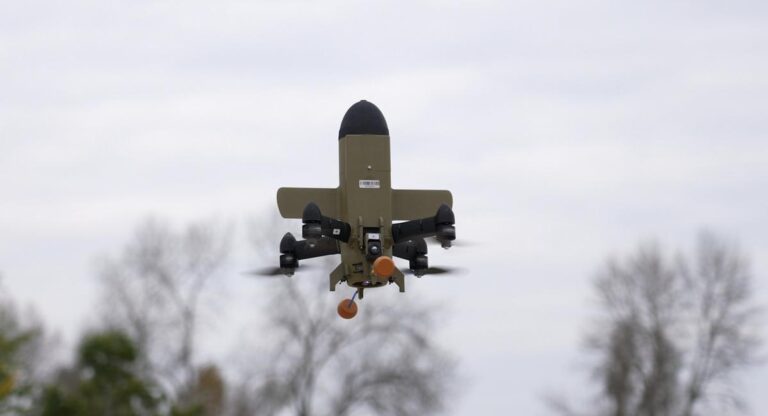
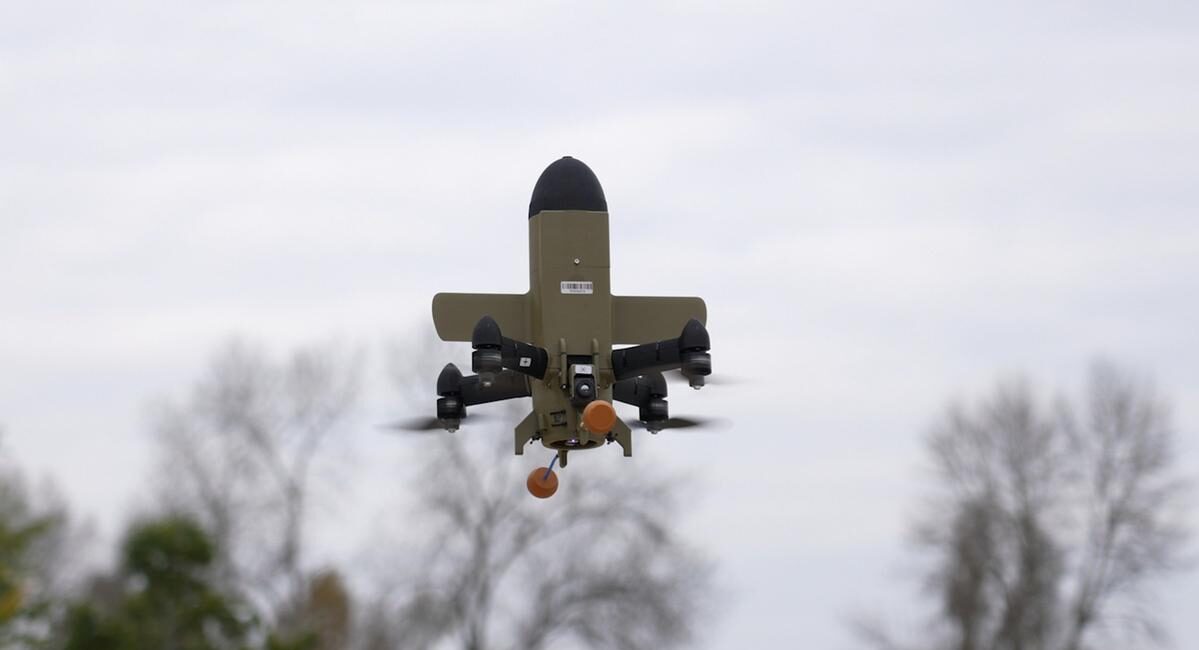
It is also important to understand why trains are now a focus. Attacks on railways are not isolated incidents. There have been strikes on passenger trains in motion, hits on suburban trains, attacks on the last carriages, as well as damage to stations and locomotives. This can no longer be seen as a side effect of war. It is a consistent pressure on the transport system, which remains one of the key ways people move across the country. An even more alarming factor is that manually controlled drones have been observed changing targets mid-flight. A drone initially heading toward infrastructure can switch and strike a moving train once it detects it. This means that the mere presence of a train on the tracks already makes it a visible and potential target.
“If a Shahed hits a carriage with people, it will be a mass grave”
This harsh wording explains why passengers are advised to move at least one hundred meters away from the train during evacuation. This is not a formal instruction, but an attempt to reduce casualties in the event of a direct hit.
This reflects the new reality of railway safety: a train is no longer considered relatively safe simply because it is moving. On the contrary, a moving train can become a visible target from the air. That is why Ukrzaliznytsia has strengthened safety rules for passengers. These rules are practical but strict. After a signal from the conductor, passengers must gather only essentials documents and devices and be ready to leave, while staying in place until instructed. During evacuation, heavy luggage must be left behind to avoid congestion. Outside, people must not gather near the train, as it remains a potential target. They are required to disperse and keep the conductor in sight. These are no longer standard instructions for technical failures or fires. They are behavioral rules for wartime attacks, where every extra minute, crowding, or attempt to save belongings can cost lives.
It is also notable that the railway is trying to maintain a balance between safety and continuity of movement. Evacuation is a last resort. If it can be avoided, schedules are changed or trains are delayed. This matters because a complete shutdown would paralyze transportation. In wartime, the railway serves not only a transport function but also a social one. At the same time, this inevitably leads to delays. When dozens of trains are late during a mass drone attack, it is no longer just a technical issue. It is a direct consequence of operating under constant military pressure. On some routes, delays occur due to strikes on infrastructure. On others, they result from preventive decisions. For passengers, this means something simple an ordinary trip no longer exists separately from the logic of war. Even far from the front line, passengers are part of a system constantly adapting to threats.

Another key conclusion is that the railway is increasingly becoming a component of national resilience. It does not only transport people. It maintains connections between regions, supports mobility, and preserves the rhythm of civilian life where the enemy is trying to disrupt it. This is why attacks on trains and stations have not only tactical but also psychological effects. They target movement itself accessibility, connection, and continuity between cities. And the response to this threat goes beyond traditional transport management. It now includes coordination with the military, new safety protocols, and decisions that would once have been unthinkable for a civilian operator. All of this shows that Ukraine’s railway system is entering a new phase, where passenger safety depends not only on conductors, drivers, or infrastructure, but also on the system’s ability to monitor aerial threats, respond quickly, and adjust operations before a strike occurs.
War has changed the railway not only externally, but internally. It is no longer just a network of routes and stations, but a civilian infrastructure operating in constant synchronization with battlefield conditions. And this is the main shift that the entire country is already experiencing even if passengers see it only as a delayed train or a brief instruction from a conductor to prepare for evacuation.
About the Author

Related posts:
 Railway Attacks in Ukraine 2025: How Ukrzaliznytsia Holds the Transport Front During the War
  Why Chełm and Przemyśl cannot cope with passenger flows from Ukraine
  “3000 km Across Ukraine”: How to Get Free Train Kilometers and Who Is Eligible
  Updated Building Codes in Ukraine 2026: How Construction, Safety and Inclusivity Rules Are Changing