How to Look Expensive on a Budget 8 Smart Wardrobe Principles
The phrase “look like a million” has long become part of everyday language. Yet behind it stands not a monetary equivalent, but a set of visual and structural decisions. Time for Action analyzed the principles that allow one to create the impression of a polished, composed look even from mass market or second-hand pieces, and examined what truly forms the effect of luxury without luxurious expenses.
This is not about brands. It is about fabric quality, fit, silhouette structure, color harmony and discipline in details. These elements determine whether a garment will look convincing.
Fabric as the First Marker of Quality
A professional approach to clothing always begins with material. Texture, density and the ability to hold shape are read instantly by the eye. Natural and blended fibers cotton, linen, wool, silk, viscose, lyocell add depth to a look. They carry weight, reflect light correctly and avoid visual flatness.
One simple test is to squeeze the fabric in your fist. If wrinkles quickly release, the piece will maintain neatness in movement. If not, it will lose its shape within an hour of wear. Another criterion is transparency. Excessive sheerness in daylight makes fabric appear thin and inexpensive.
The author’s personal benchmark is at least 40–60% natural fibers in blouses and dresses, and even more in sweaters and outerwear. This is not a rigid rule, but a practical filter for long-term quality.
Fit as the Foundation of Silhouette
Perfect fit accounts for half of the impression. Sleeves should end at the wrist, trousers should lightly touch the shoes, and the waist should be defined without constriction. Even basic trousers can appear designer-level after adjusting the length.
In professional styling, tailoring is standard rather than exceptional. Small alterations often create a greater effect than purchasing something new.
A Palette That Holds the Wardrobe Together
A restrained base palette black, off-white, navy, beige, olive, chocolate creates cohesion. One accent tone burgundy, forest green or powder pink adds individuality without disrupting structure.
This approach forms a wardrobe where pieces combine naturally regardless of origin. It is color discipline that removes randomness and adds visual confidence.
Structure Over Logos
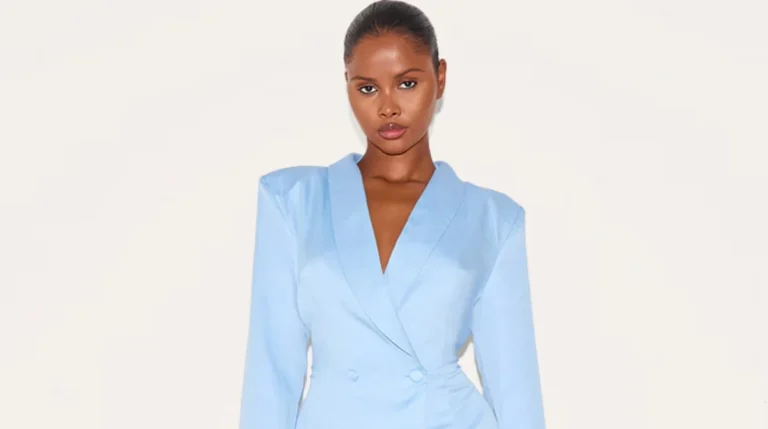
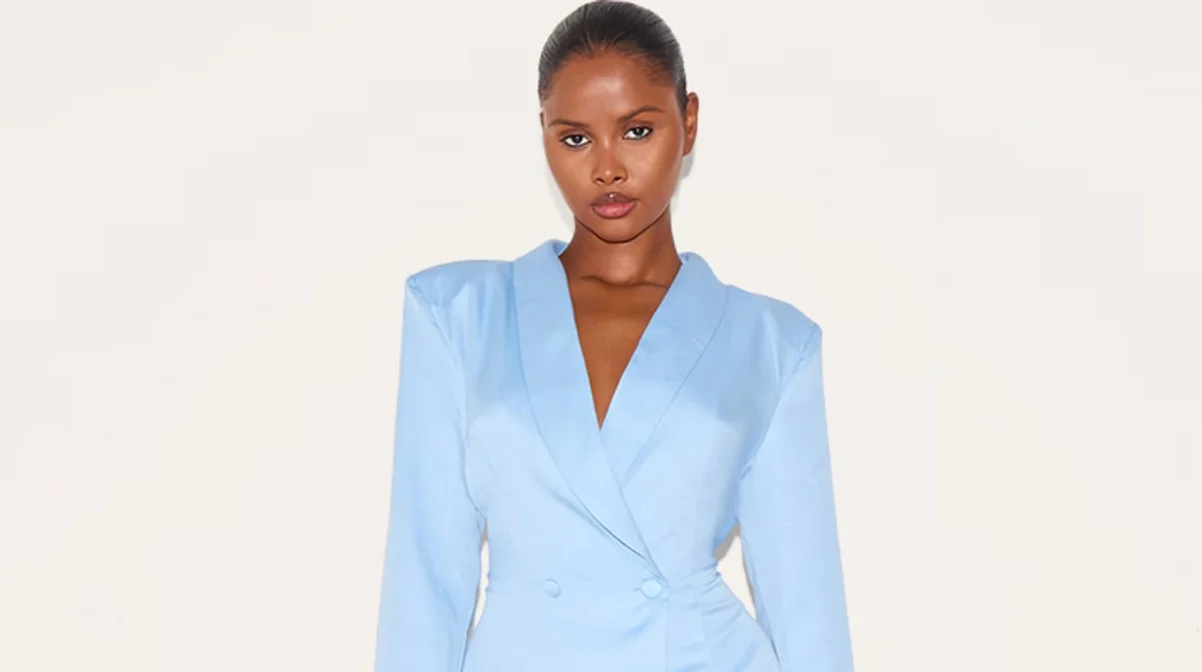
When the budget is limited, chasing labels rarely pays off. Clear lines, defined shoulders, precise lapels and clean seams matter more. A blazer with strong shoulder construction and dense fabric will look more convincing than one with a prominent logo but weak structure.
Hardware also plays a role. Matte metal or covered buttons create restraint. Shiny plastic simplifies the look.
Texture Contrast as a Stylist’s Tool
Combining matte and shine, smooth and rough surfaces creates depth. A cotton shirt with wool trousers, a soft sweater with a satin skirt, a linen blazer with a leather belt these contrasts add complexity without excess.
Texture acts as a third dimension. It brings movement and nuance to an outfit.
Rationality as a Style Mindset
The concept of “cost per wear” changes spending habits. A coat costing 5,000 hryvnias worn 50 times equals 100 hryvnias per wear. A blouse costing 1,000 hryvnias worn twice equals 500 per wear.
Investment should focus on items that are visible and durable: shoes, coats, bags. These shape the first impression.
Accessories as the Final Layer
A belt with a simple buckle instead of a thin ribbon, minimalist matte-metal jewelry, a structured bag, clean well-maintained shoes these details elevate any look.
Small elements are not secondary. They assemble the outfit into a coherent system.
Intentional Purchasing
Second-hand stores, men’s departments and sales are tools, not compromises. Men’s shirts and sweaters are often denser and more durable. Before buying, three checks are enough: are the seams even, do zippers function properly, is care manageable?
Research on clothing and behavior suggests that when people wear professional attire, they behave more confidently. This confirms that style operates internally as well as externally.
A Universal Formula
Dark trousers or straight jeans, a cotton shirt or dense knitwear, a structured blazer, clean loafers or boots, a belt, small earrings, a neat bag and a touch of perfume this combination creates a composed look without unnecessary noise.
Looking expensive means looking intentional. It is the result of consistency, attention to fabric, construction and detail. Money can simplify choices, but principles create the impression.
About the Author

Related posts:
 Why businesses often don’t know how much they actually earn: five systemic mistakes in financial accounting
  Russian Economy in 2025: Broken Resilience, Wartime Inertia, and Systemic Cracks
  Expensive Education 2025: How Rising Tuition Fees Are Reshaping Access to Higher Education in Ukraine
  Memory Is Getting More Expensive, and This Is No Longer a Temporary Glitch: How the AI Boom Turned RAM and GPUs into a Scarce Resource