Kharkiv in Prague The Month of Ukraine as a Cultural Response to War
The festival “Month of Ukraine” at the Prague City Theatres has been taking place for the fourth consecutive year and is gradually moving beyond a symbolic gesture of support. This year’s program focuses on Kharkiv a city that continues to function as a cultural center just dozens of kilometers from the front line.
Time for Action has analyzed why the focus is on Kharkiv, how the festival integrates Ukrainian art into the European space, and why culture in wartime becomes a form of resistance.
Kharkiv as a Choice and as a Position
The organizers emphasize that the festival responds to changes in the political and social situation. This year the emphasis is placed on a city that remains under constant threat of shelling yet continues to create.
“Kharkiv is the second largest city in Ukraine, built on the steppe, with a special genius loci (spirit of the city – ed.). We are interested in artists who have the opportunity to leave, but still choose to stay.”
The focus on Kharkiv has a personal dimension one of the members of the dramaturgical team comes from the city. However, the defining element is not biography but principled attention to those who consciously remain and work under constant risk. At the same time, the festival speaks about another group those who were forced to leave and are integrating into a new environment. Both trajectories are presented as part of a single wartime experience.
This year a new program section titled “Zone of Vigilance” has been introduced, dedicated to the post-Soviet space. The program also includes Georgian theatre art. In this way, Ukrainian art is for the first time so consistently embedded in a broader European dimension. The festival demonstrates that the conversation about war, identity, and transformation does not stop at national borders. It concerns a rethinking of the region as part of the European cultural map.
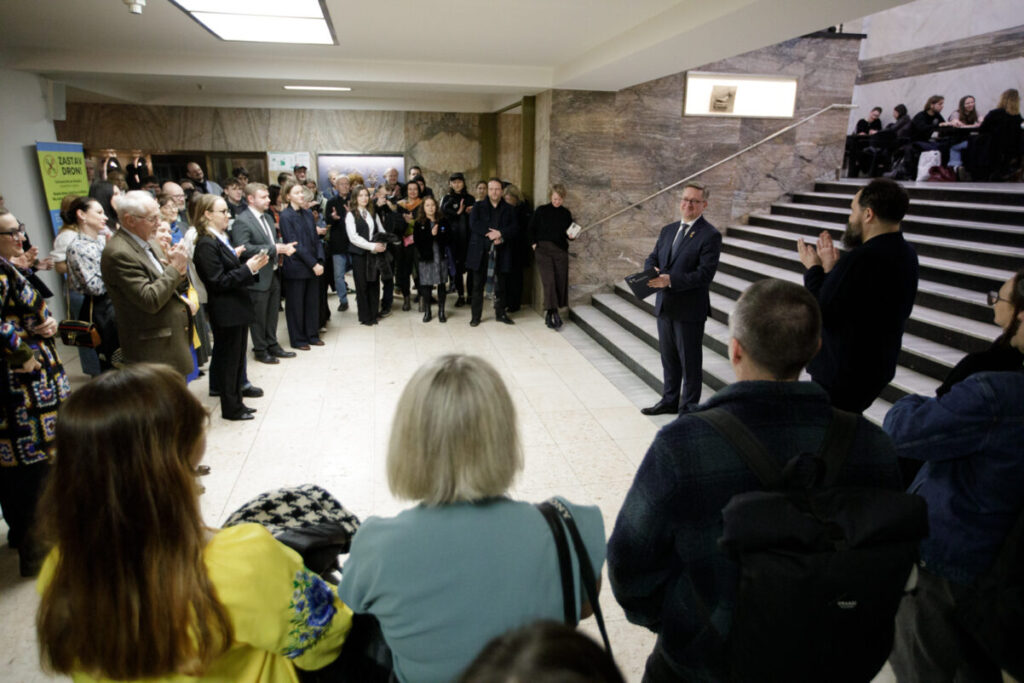
Art Under Shelling
The festival opened with the exhibition “Ekosystém UA Charkov,” featuring works by Kostiantyn Zorkin, Pavlo Makov, and Vladyslav Krasnoshchok. Zorkin, author of the puppet performance for children “Giraffe Mons,” addresses themes of war, empathy, and mutual support through the story of an abandoned animal. Makov, who represented Ukraine at the 2022 Venice Biennale with the installation “Fountain of Exhaustion,” reflects on war through the metaphor of depleted resources and human strength. Krasnoshchok combines documentary elements with artistic experimentation in the tradition of the Kharkiv School of Photography. Part of the installations is placed in the basement space of the theatre.
“It is symbolic that part of the installations is placed in the basement space of the theatre. But it is precisely in such conditions under shelling that artists across Ukraine are now living and creating.”
The basement becomes an artistic gesture that reproduces the everyday reality of shelters.
Identity and Frontline Experience
The festival presents eight events performances, stage productions, and discussions. Identity has been defined as the central theme.
“The festival’s themes are broad, however they are united by the question of identity who I am, who I can and want to be, what it means to be part of a nation and of the wider European space.”
Two productions directly engage with frontline experience. “Crossing the Line” by Kyiv’s Theatre of Veterans and “When Everything Is Real” a stand-up performance by two actors from Kharkiv who are currently serving as infantry soldiers. The presence of veterans in the cultural sphere becomes a form of reintegration and public reflection on lived experience. Separate events address forced migration and queer identity in wartime. The discussion “Safe Spaces Queer Ukrajina” focuses on the search for safe spaces for self-expression during emigration.

Culture as Indestructibility
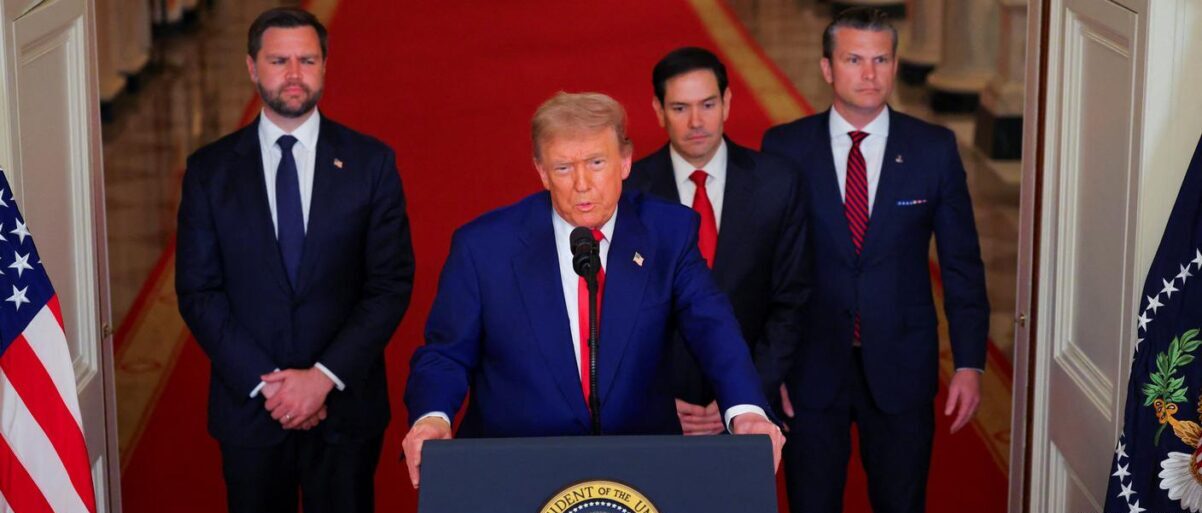
Ambassador of Ukraine to the Czech Republic Vasyl Zvarych stresses that the war is also directed against cultural heritage.
“It is therefore very important that Ukraine can continue to develop despite the Russian occupation and demonstrate that the Russian military will not succeed in destroying the country, culture, and people – parts that are inseparable from one another. In times of war Ukrainian culture is experiencing a renaissance. This is our response to Putin that Ukraine was, is, and will be.”
The festival in Prague becomes not only a platform for artistic presentation but also a form of international cultural presence. It demonstrates that even under conditions of war Ukrainian art is not isolated but actively enters the European space. The festival will run until March 24. Its central message is clear and political: war is not a permanent condition. Art created under the sound of sirens is already shaping the history of the century and proves that culture can endure where buildings are destroyed.
About the Author

Related posts:
 Odesa International Film Festival: More Than Just Cinema
  “The Property” by Dana Modan: Memory as an Act of Resistance in the Shadow of October 7 and at the Odesa Film Festival
  Land of Dreams: Festival of Ukrainian Culture and Music
  ProCheese Awards 2025: The Cheese Festival That’s Changing Ukraine’s Culinary Map