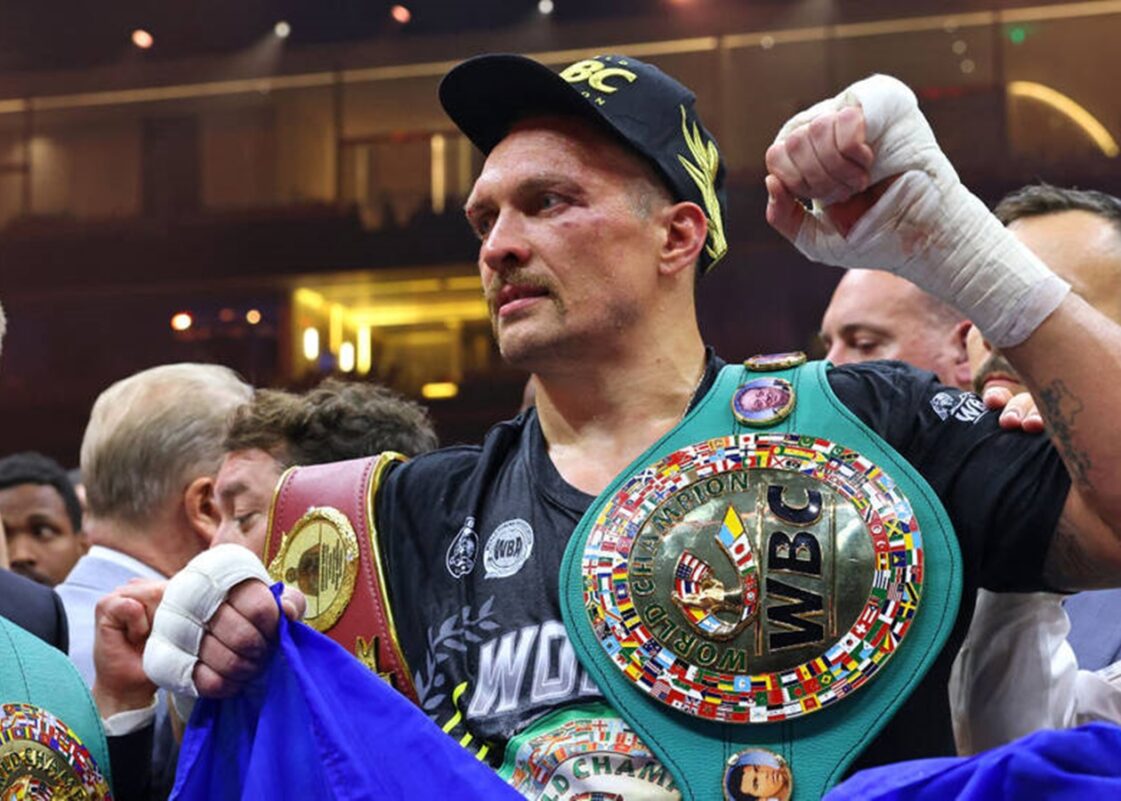
Usyk and the WBC Voluntary Defence: What the Decision Means
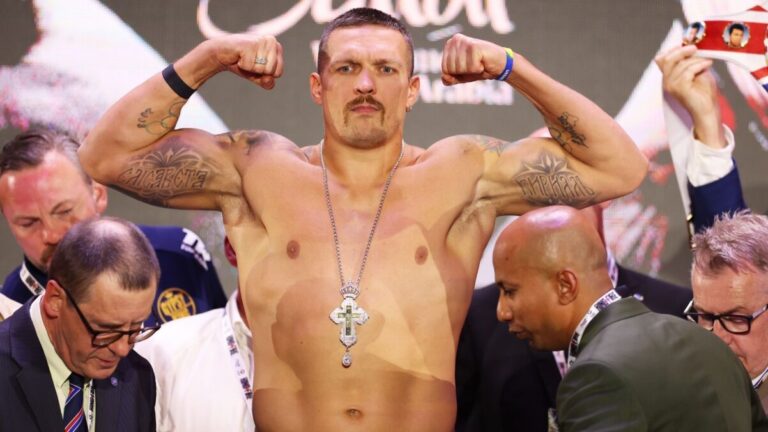
The decision by the World Boxing Council (WBC) to approve Oleksandr Usyk’s request for a voluntary title defence has added a new layer of clarity to the heavyweight division and, at the same time, raised important strategic questions about the next stage of Usyk’s career.
WBC president Mauricio Sulaiman confirmed that the organization granted Usyk permission to proceed with a voluntary defence, stating that the champion formally submitted the request and that the council is now awaiting further details regarding the bout. This confirmation does not constitute an official fight announcement, but it establishes a regulatory framework within which Usyk can operate. For the heavyweight champion, this decision is less about immediacy and more about positioning.
In professional boxing, voluntary title defences are not automatic. Champions are often bound by mandatory challengers, unification obligations, or contractual constraints. By approving Usyk’s request, the WBC effectively signaled that no immediate mandatory defence stands in his way at least for now. This grants Usyk tactical flexibility. As the reigning WBC, WBA, and IBF heavyweight champion, he is in a rare position where sporting legacy, financial considerations, and strategic matchmaking intersect. The ability to choose a voluntary opponent allows him to shape the narrative of his reign rather than merely react to it.
Deontay Wilder as a Potential Opponent
One name naturally emerged following the WBC decision: Deontay Wilder. The former WBC champion currently holds the No. 13 position in the organization’s rankings, which places him inside the top 15 a key eligibility threshold for voluntary defences. Sulaiman underscored this point, noting Wilder’s status as a former long-reigning champion and emphasizing his continued relevance within the division. From a regulatory standpoint, Wilder is eligible. From a sporting perspective, the matchup carries weight. Wilder’s reputation is built on power rather than technical finesse, contrasting sharply with Usyk’s methodical, movement-based style. A fight between the two would not merely be a title defence; it would represent a stylistic confrontation that tests whether precision and ring intelligence can consistently neutralize raw knockout force at the highest level.
Usyk has openly expressed interest in fighting in the United States, marking what would be his first bout on American soil since 2019. This element is not incidental. The U.S. market remains central to heavyweight boxing’s commercial ecosystem, and a title defence there would significantly expand Usyk’s global footprint. For Usyk, fighting in America is not framed as a departure from his European base, but as a strategic extension of his legacy. He has already defeated multiple elite opponents across different venues; adding a successful U.S. title defence would further solidify his standing as a truly global champion.
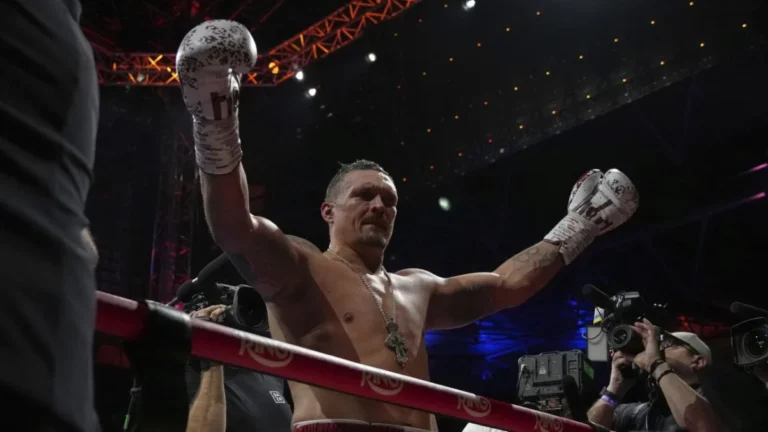
Usyk enters this phase of his career with an undefeated professional record of 24 wins, including 15 by knockout. His most recent milestone came in July 2025, when he stopped Daniel Dubois in the fifth round at Wembley Stadium a performance that reinforced both his technical dominance and his capacity to finish elite heavyweights. The WBC later recognized that bout as the knockout of the year, a distinction that underscores Usyk’s evolution. Once viewed primarily as a master technician transitioning from cruiserweight, he is now widely regarded as a complete heavyweight champion capable of controlling fights on his own terms.
Post List




Voluntary Defence as a Strategic Choice
Choosing a voluntary defence at this stage is not a passive act. It reflects confidence not only in Usyk’s abilities, but in the stability of his championship position. Rather than being compelled by mandatory challengers, Usyk is exercising agency over the direction of his reign. At the same time, the WBC’s approval should not be overstated. No contracts have been signed, no dates announced, and no venue confirmed. The decision merely establishes that, from the governing body’s perspective, Usyk is cleared to proceed if and when terms are finalized.
The coming weeks will determine whether regulatory permission translates into an official fight announcement. Whether the opponent is Wilder or another ranked contender, the significance lies less in the name and more in what the defence represents. For Oleksandr Usyk, this moment is about consolidation rather than transition. He is no longer chasing belts or validation. Instead, he is managing a reign balancing risk, legacy, and opportunity in a division where timing often matters as much as talent.
The WBC decision does not answer every question surrounding Usyk’s future. But it confirms one thing clearly: the champion remains in control of his path.
About the Author

Related posts:
 Oleksandr Usyk Granted Right to Voluntary WBC Title Defense: Who Will Be the Champion’s Next Opponent?
  Oleksandr Usyk vs Daniel Dubois: A Clash of Styles, a Battle for Legacy
  Usyk Requests Delay of WBO Title Fight Against Parker: Injury Report and What Happens Next
  Oleksandr Usyk’s Last Opponent: Who Will Face the Undisputed Champion in His Farewell Fight?