Why Odesa remains Putin’s key objective: risks for Ukraine and the Western response
In June 2025, the debate about the next phase of Russia’s war against Ukraine reached a new level both geopolitical and human. Western leaders and experts are speaking more openly: Moscow has no intention of stopping, and Odesa remains at the center of Vladimir Putin’s ambitions. But does Russia have a real chance of achieving this goal and why are Ukraine’s allies now stepping up both military and financial support?
Is compromise with Putin possible?
According to Financial Times, European and American diplomats are deeply skeptical that Russia is genuinely willing to negotiate a real ceasefire. On the contrary, sources in Western governments emphasize: Putin still considers Odesa not only a strategic but a “historically Russian city.” For him, capturing Odesa is not just about territory it’s a symbol of ultimate victory.
This is exactly the message Russian officials have been sending to Western negotiators in recent months: no concessions, only new claims on southern Ukraine and control over its ports.
What did the NATO summit in The Hague reveal?
One of the main results of the NATO summit in The Hague at the end of June was the Alliance’s renewed focus on deterring Russia. Participants agreed not only to increase defense spending but also to emphasize long-term support for Ukraine.
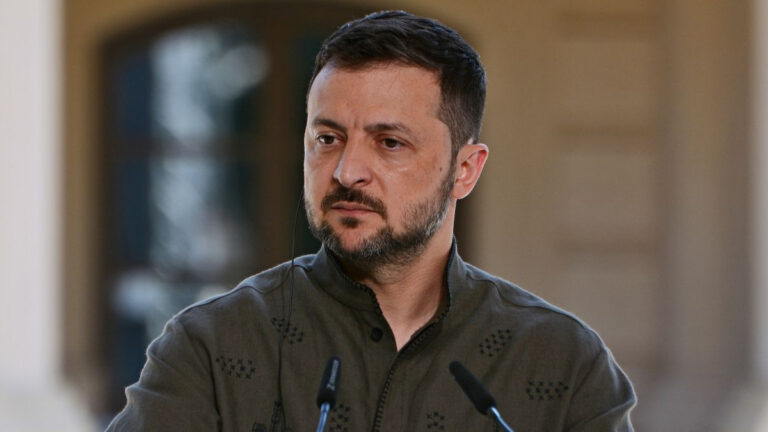
Just as important: during the summit, there was the first face-to-face meeting of 2025 between U.S. President Donald Trump and Ukrainian President Volodymyr Zelenskyy. According to FT and Politico, the discussion was constructive a key signal to Kyiv that Washington is not turning away from Ukrainian interests, even in a new political climate.
Military balance: who is reaching exhaustion?
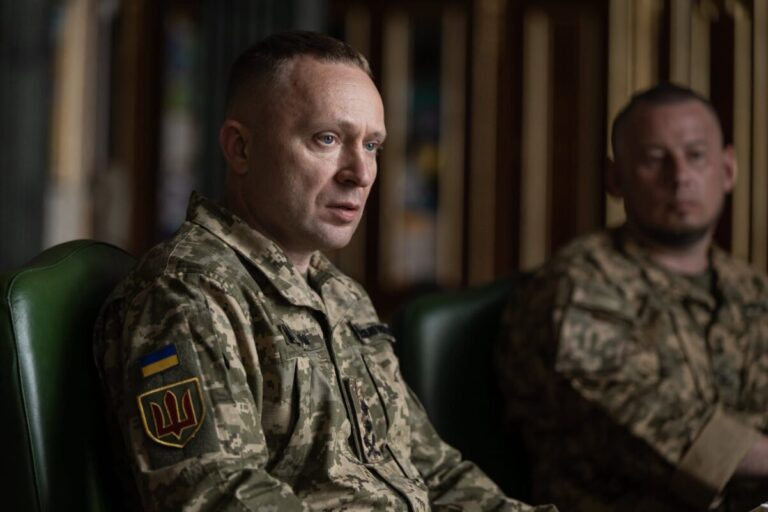
Recent reports from Western analysts and experts (including Financial Times, NYT, ISW) indicate: both armies Russian and Ukrainian are nearing the limit of their reserves.
- According to intelligence estimates, Russia has lost over one million soldiers killed or wounded since the invasion began. Thanks to mobilization and larger human resources, the Kremlin can probably sustain the current intensity of fighting for up to a year.
- Ukraine, according to FT and NYT, faces a shortage of manpower and resources. Without major support, its defensive lines could become vulnerable as early as this autumn.
Western military officials warn: if Kyiv does not receive additional support, there is a risk of “catastrophic failure” the loss of more territory and a threat of further escalation.


Odesa: More than just a city
The port of Odesa is Ukraine’s last major “breathing” export hub. If captured, the country would lose access to the Black Sea a blow to its export economy. That’s why Putin is so determined to claim Odesa as “historically Russian.”
According to Western journalists and analysts (Financial Times, June 29, 2025), Moscow views control over the city as its primary strategic objective in the south.
At the same time, as Ukrainian military experts (including Ivan Stupak, quoted by Suspilne) point out, Russia’s real ability to capture Odesa is questionable. After failures in the Mykolaiv and Kherson regions, even a partial advance on Odesa would require enormous resources and complete air and naval dominance something the Kremlin has not achieved.
Losses and morale: what’s at stake?
Alongside its offensive ambitions, Russia is increasing pressure on Ukraine with intensified airstrikes, a shortage of air defenses, and constant attacks on energy and infrastructure. This is not just a physical challenge but also an attempt to undermine civilian morale. Without a credible vision of victory, the risk of apathy and frustration grows something both Ukrainian psychologists and Western advisers are warning about.
What will the latest wave of Western support change?
The outcome of the NATO summit in The Hague is not just new declarations. For the first time since early 2024, Alliance countries have announced a systematic increase in defense spending including new military aid to Ukraine. The key is speed and long-term commitments, not just one-off support packages.
For the first time, Western leaders are openly warning: without this assistance, there is a real risk of retreat, and possibly, of losing another part of the south.
Russia’s war against Ukraine has entered a phase where success depends less on declarations and more on the speed and scale of real support. Capturing Odesa remains Putin’s main political objective. But he can only realize this scenario if the Ukrainian army is seriously exhausted. The situation at the front now requires not just resources, but political will from the West. In the coming months, these decisions will determine whether Ukraine remains a maritime nation or loses its main port. And whether Moscow dictates a new order in the Black Sea, or suffers a strategic defeat.
About the Author