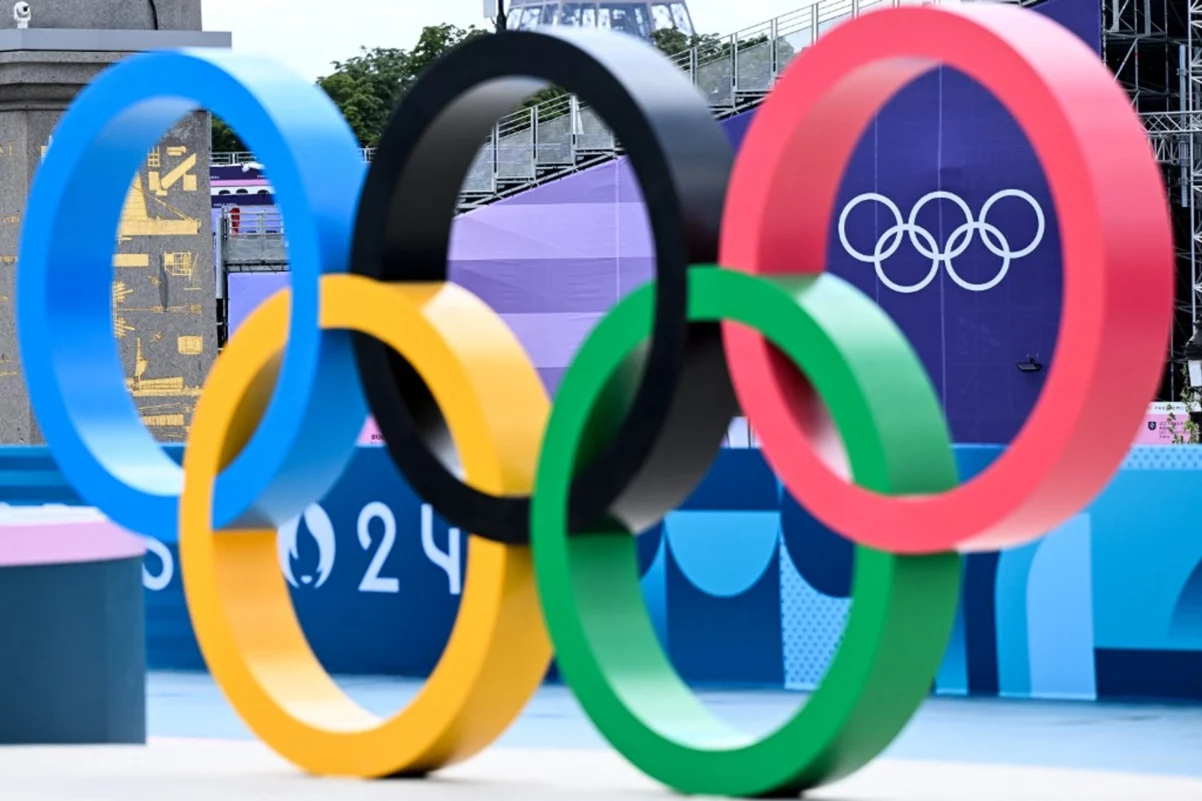
Why the Kremlin Starts Wars During the Olympics: From Afghanistan to Ukraine
The idea of an Olympic truce was born in ancient times as an attempt to place human life above the ambitions of states and rulers. In the twentieth century, this idea was actively exploited by propaganda, particularly Soviet, where sport was presented as a space of peace, equality, and “fair competition.” But when specific dates and decisions made in Moscow are examined, a different pattern emerges: for the Kremlin, the Olympics have not been a pause for war, but rather a convenient backdrop for its start or escalation.
This logic can be traced at least back to the late 1970s. On December 27, 1979, the Soviet Union sent troops into Afghanistan, covering the move with rhetoric about “international assistance.” The global reaction was sharp but stretched over time. U.S. President Jimmy Carter gave Moscow a deadline until February 20, 1980, to withdraw its forces precisely when the Winter Olympics in Lake Placid were already underway. The Soviet leadership ignored the ultimatum. In response, Western countries moved to boycott the 1980 Summer Olympics in Moscow, with 66 states joining the action. It was a political gesture, but it did not affect the war itself: the Soviet occupation of Afghanistan lasted until February 1989 and did not stop during either the Winter Games in Calgary or the Summer Games in Seoul. Even then, it was clear that for Moscow, boycotts, international condemnation, and appeals to the “spirit of the Olympics” were not restraining factors. On the contrary, sporting events were used to project an internal image of a “great power,” even while the country was waging a prolonged war abroad. The next telling moment came in August 2008. On August 8, the day of the opening ceremony of the Summer Olympics in Beijing, Russian troops invaded Georgia. The formal pretext was events around South Ossetia, but the symbolism of the date was obvious. While the world watched the opening ceremony, Moscow launched a brief war that ended with the effective occupation of Abkhazia and South Ossetia. A ceasefire agreement was signed on August 16, while the Olympics were still ongoing. Russian troops remained on the seized territories, and the international response once again proved delayed and limited.
This episode cemented another element of the pattern: the Olympics become a moment when the Kremlin tests the limits of what is permissible. Russia’s president at the time was formally Dmitry Medvedev, but real levers of power remained with Vladimir Putin, who then held the post of prime minister. The war against Georgia showed that even public adherence to sporting and peaceful slogans does not prevent decisions to use force.
The Ukrainian dimension of this logic became the most extensive and destructive. The Winter Olympics in Sochi lasted from February 7 to 23, 2014 parallel to the final, most intense stages of the Revolution of Dignity in Kyiv. Already on February 20, before the Games had ended, Russia launched the operation to occupy Crimea. This date is officially recorded in Ukrainian documents and even appears on the Russian medal “For the Return of Crimea.” Soldiers without insignia, the blocking of Ukrainian units, the rapid staging of a pseudo-referendum all of this unfolded against the backdrop of an Olympic spectacle that the Kremlin used to demonstrate its supposed “normality” and international integration. The annexation of Crimea was not the end, but the beginning. By spring 2014, the war had spread to the Donbas, turning into a protracted armed conflict that Russia for years tried to portray as “internal.”
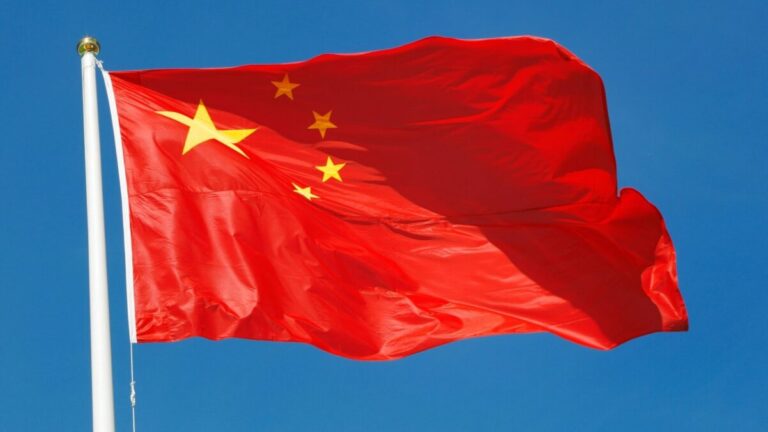
The pattern was repeated most cynically in 2022. The Winter Olympics in Beijing ran from February 4 to 20. It was during this period that Russia completed the concentration of troops along Ukraine’s borders. Officially, this was presented as exercises, but the scale was unprecedented, and according to Western intelligence, even blood supplies for medical units were delivered to deployment areas. Vladimir Putin traveled to Beijing for the opening ceremony, becoming one of the few world leaders to ignore the diplomatic boycott over human rights violations in China. There, a major gas agreement was signed and a “friendship without limits” between Moscow and Beijing was proclaimed.
Post List

The day before the opening of the Games, Putin spoke about the “greatness of sport,” which supposedly unites people and states. Four days after the Olympics ended, on February 24, 2022, Russia launched a full-scale invasion of Ukraine. Later, during the active phase of the war, the Kremlin welcomed Russian Olympic medalists and awarded them state honors, as if trying to merge the image of sporting glory with the reality of military aggression. Calls for an Olympic truce during the Summer Games in Paris in 2024 were ignored by Moscow. The same response complete silence now accompanies the Winter Olympics of 2026 in Milan. The fourth year of the war against Ukraine has not become a reason for the Kremlin to introduce even a symbolic pause.
Taken together, all these episodes point not to coincidence, but to a consistent strategy. For Moscow, the Olympics are a moment when global attention is partially dispersed and international response mechanisms operate more slowly. It is a time when symbols of peace do not interfere with decisions about war, and when sporting events can serve as cover for projecting the “normality” of an aggressive state. For Ukraine and the international community, this leads to a simple but uncomfortable conclusion: appeals to moral norms, historical traditions, and Olympic ideals do not work where war is an instrument of policy. The Kremlin does not violate the “spirit of the Olympics” it has never recognized it as a constraint. And that is precisely why war during the Games is not an exception, but a recurring scenario that each time costs thousands of human lives.
About the Author

Related posts:
 Winter under fire how Russia is once again striking Ukraine’s energy sector at the coldest moment
  Special Tribunal Without Immunity: Ukraine’s Legal Response to Russia’s War of Aggression
  War, Peace, and the Diplomacy of Ultimatums: What Lies Behind the US “Favorable Conditions” for Russia
  The West Lifts Restrictions: Ukraine Cleared to Strike Inside Russia