Iran Under a Digital Veil: What We Know About Mass Killings and the Crackdown on Protests
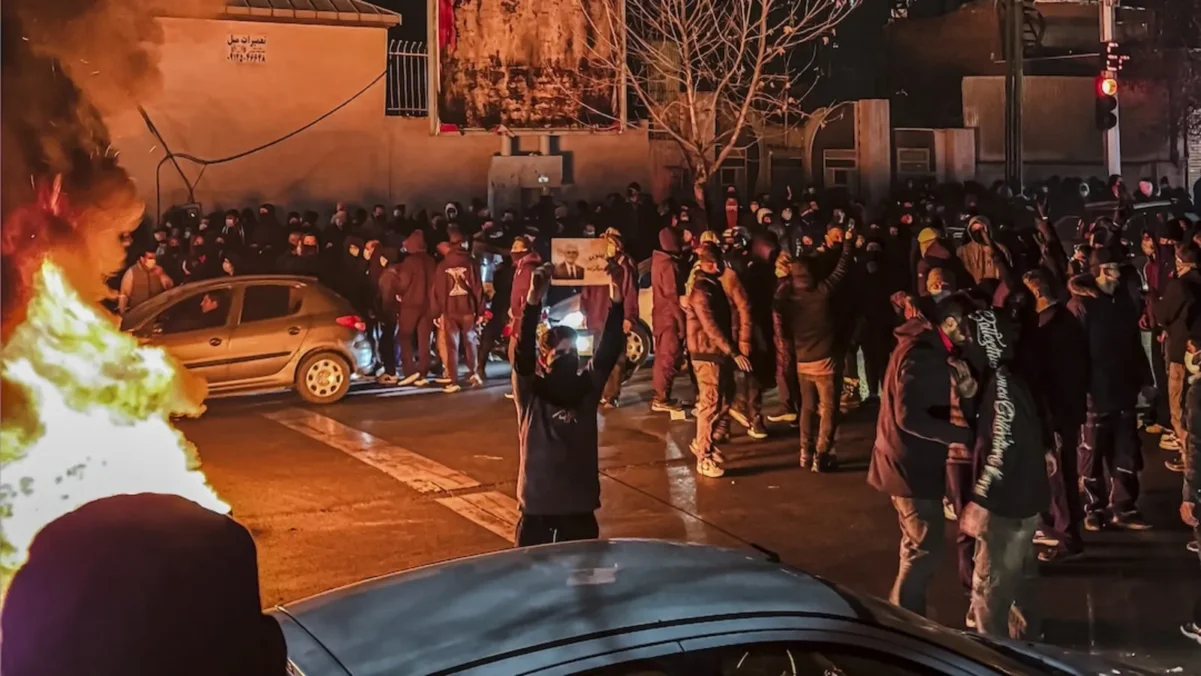
The events unfolding in Iran since late December 2024 go far beyond the familiar scenario of dispersing demonstrations. By all indications, this is not about isolated clashes or excessive use of force, but about a systemic state operation against its own population, carried out under conditions of near-total information blackout. According to data obtained from Iranian doctors, human rights defenders, and eyewitnesses, the number of people killed during the suppression of anti-government protests may range from 16,500 to 18,000, while the number of injured exceeds 330,000. These figures are based on internal medical statistics from major hospitals and emergency departments and were transmitted outside the country via satellite communications amid a complete shutdown of internet and mobile networks.
The first mass protests started on December 28, 2024, driven by economic grievances. Merchants at Tehran’s Grand Bazaar took to the streets over hyperinflation and the rapid devaluation of the national currency. Students, young people, and members of the middle class quickly joined them. Social demands almost immediately turned political, with calls for regime change. After January 8, when the son of Iran’s late shah, Reza Pahlavi, publicly called on Iranians to take to the streets en masse, the authorities moved into a hard phase of response. Armed patrols appeared on the streets, and the country was effectively plunged into information darkness without communications, without social media, without independent media.
Doctors working in hospitals in Tehran, Mashhad, Karaj, and other cities report a fundamental change in the tactics of the security forces. While during the protests of 2019 and 2022 authorities mainly used rubber bullets, shotguns, and tear gas, this time military-grade weapons are being used against crowds. Medical reports contain numerous accounts of:
- bullet and shrapnel wounds to the head, neck, and chest;
- the use of Kalashnikov rifles;
- machine guns mounted on pickup trucks;
- snipers positioned on rooftops.
Eyewitnesses describe targeted shots to the head and back of the neck, rather than indiscriminate fire. This is a key detail pointing not to “crowd control,” but to a deliberate strategy of maximum intimidation and physical elimination.
A separate dimension of the tragedy is the situation inside medical facilities. Doctors are forced to work under conditions of catastrophic shortages of donor blood, medicines, and time. There are documented cases in which security forces:
- banned blood transfusions for the wounded;
- dragged patients out directly from operating rooms;
- arrested people from hospital beds.
Out of fear of arrest, thousands of injured protesters avoid seeking medical care, meaning the real numbers are likely significantly higher than those recorded.
Doctors pay particular attention to mass eye injuries. Estimates suggest that between 700 and 1,000 protesters have lost one eye. In a single ophthalmology clinic in Tehran, thousands of such cases have been documented. According to medical staff, on some nights in the capital hundreds of eye-removal surgeries were performed due to shotgun pellet injuries.
The complete shutdown of internet and communications was not a side effect but part of the repressive strategy. Activists managed to secretly bring tens of thousands of satellite terminals into the country, but using them carries a смертельний risk. Security forces conduct raids to detect satellite antennas, and possession of such equipment is effectively treated as a serious crime. Because of this digital isolation, the world is learning about events with delays and in fragments through doctors risking their lives and people who managed to flee the country.
Among the dead are a large number of young people under 30: students, athletes, artists, and active urban residents. One emblematic case is the killing of 28-year-old Yasin Mirzaei, who was preparing to apply for a PhD program at a British university. He was shot in the head during his very first appearance at a protest. These stories dismantle the narrative of “armed rioters” and reveal the realit the destruction of a civilian protest movement.
Post List

Only weeks later did Iran’s supreme leader publicly acknowledge that people had been killed, citing “several thousand” deaths and accusing protesters of ties to the United States. At the same time, Iranian authorities attempted to shift attention to external threats and geopolitical rhetoric. Protesters had hoped for international support, particularly from the United States. However, public signals from Washington were cautious and contradictory, reinforcing a sense of isolation inside the country.
Even without legal terminology, the picture is clear: the scale of violence, the type of weapons used, and the deliberate information blackout point to crimes against humanity. This is not a breakdown of discipline among security forces, nor “excessive force,” but a calculated campaign.
Time for Action has analyzed all currently available information and concludes that the world is witnessing one of the most brutal internal crackdowns in recent years unfolding largely unnoticed by the global public precisely because of digital darkness.The question today is not whether another statement of “deep concern” will be issued. The question is whether the international community can move beyond ritual reactions, when the facts of mass killings are already documented by doctors, blood, and human stories.
About the Author

Related posts:
 The U.S. Strikes Iran: What Happened, Why It Matters, and Why Ukraine Should Be Watching
  Operation “Rising Lion”. What Israel’s strike on Iran means and where it may lead
  Trump’s Ultimatum to Iran: Two Weeks to a Nuclear Deal or a Military Strike
  Protests in Los Angeles: How Anti-Migrant Raids Sparked a Wave of Resistance Across the U.S.