How to Get Compensation for Destroyed Housing in Ukraine: Step-by-Step Legal Algorithm for 2025
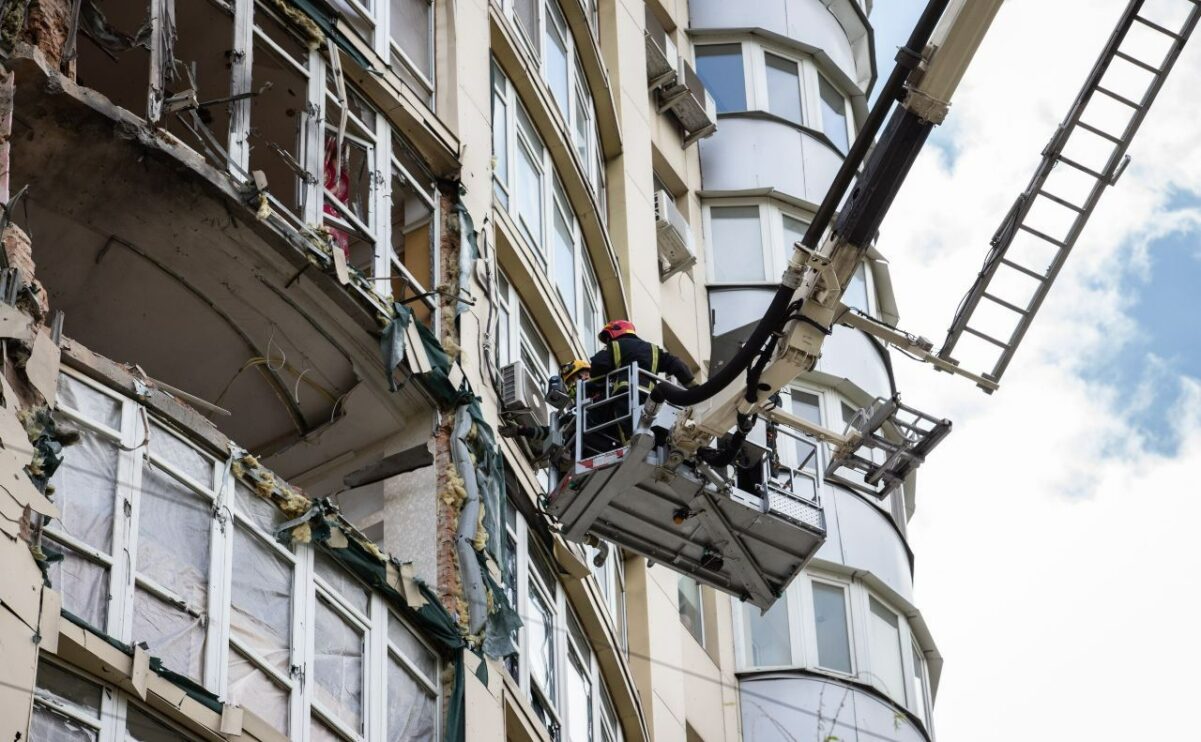
There is destruction that can be seen from afar: collapsed walls, burned‑out rooms, a roof torn down by an explosion. But there is another kind of destruction invisible, cold, bureaucratic. It begins the moment a person brings proof of what happened to their home, and in return reads: “no fact of destruction established”, “no signs of damage detected”, “compensation is not provided”.
These phrases hurt more than the cracks in the walls. Because they sound as if your loss has been erased, as if someone said: “this did not happen”. People come to me with the same question: what to do when reality is obvious, but the commission does not see it. “Time for Action” gathered a practical algorithm that works in most cases.
The first step is to demand a written explanation. This is the moment when a formal refusal stops being faceless. There is a phrase that forces the system out of the shadows:
“Please provide a written justification specifying which exact pieces of evidence did not confirm the fact of destruction.”
After such a request, the commission can no longer dismiss the case with vague wording. It must specify what exactly it reviewed and why it rejected it.
The second step is to submit additional evidence that has legal force regardless of the commission’s position. People often believe that once the initial package is submitted, new materials “will not be accepted”. This is a misconception. Accepted materials include:
videos from eyewitnesses,
photos from neighbors taken from other angles,
satellite images,
certificates from the State Emergency Service or the police,
expert technical assessments.
These materials force the system to respond even when it tries to avoid responsibility. In the material I analyze for this article, a key emphasis sounds like this: “These are pieces of evidence that confirm the fact of destruction regardless of the commission.”
The third tool is a request for a repeated inspection. If an act “does not reflect the actual condition of the property”, a person has the right to demand a new review. The wording that works:
“The act does not correspond to the actual condition of the property. I request a repeated inspection.”
This is not a plea but a legal demand that local authorities are obliged to fulfill.
When the local commission avoids responsibility or overlooks obvious damage, the next step is a complaint to the Regional Military Administration (RMA). The RMA oversees local governments and cannot ignore cases where acts are drafted superficially. After such a complaint, they either rewrite the act or assign a repeated inspection. It is at this stage that the real picture often emerges: missed internal damage, lack of proper inspection, discrepancies between the commission’s conclusion and the actual state of the building.
The most effective tool is an attorney’s request. This is the moment when the system’s formal defense collapses. The request forces authorities to disclose information:
who drafted the act and when,
which pieces of evidence were reviewed,
why certain materials were ignored,
the legal grounds for refusal.
In the provided material, a crucial truth appears: “In most cases, such refusals are overturned after the intervention of a lawyer.” This happens not because new destruction appears, but because violations become visible superficial documentation, omitted elements, incorrect wording.
A particularly painful situation is when a home is deemed “fit for living”, even though entering it is dangerous. The material contains a phrase that illustrates this gap between reality and documentation:
“The worst is when the commission looks at your half‑destroyed home and writes in a single line: ‘fit for living’.”
This is not just a mistake. It is a risk to life. In such cases, it is necessary to document internal damage: cracks in load‑bearing walls, sagging ceilings, foundation deformation, collapsed structural elements, consequences of the shockwave. Such records strongly influence the damage category and change the commission’s decision.
In legal practice, another important fact stands out: every second refusal in Ukraine is overturned after appeal. This means that 50% of initial acts contain errors or incomplete data. The most common violations are: inspection only from the outside, failure to document internal destruction, ignoring supporting materials, understatement of the damage percentage, formal replies instead of decisions.



As a lawyer who works with such cases, I see a clear pattern. A refusal is not a sentence. It is the first version of a document. It can be corrected and in most cases, it is corrected. When a person acts consistently, gathers evidence, submits statements, demands a repeated inspection, and uses the right to an attorney’s request, the system stops being deaf. It is forced to respond. It is forced to see.
Justice in such cases does not arrive by itself. It is achieved step by step. And each of these steps is lawful, effective, and capable of changing what seems unchangeable. Because when destruction is visible to everyone except the commission, the person’s task is not to prove the obvious, but to remind the state of its obligation: to see reality and document it honestly. This is the path on which compensation becomes not a privilege, but a right.
About the Author

Related posts:
 How to Get Compensation for Destroyed Housing: New eRecovery Rules in Ukraine 2025
  New Powers of the Ministry of Justice over Banking Secrecy: Balancing State Interest and the Right to Privacy
  Fact-checking at Time for Action: exclusive access for those who want to know more
  No Peace in Istanbul: What Really Happened at the Ukraine-Russia TalksAnalysis | Time for Action