The Ukrainian Factor in Poland’s Growth: How Refugees and Business Shape Poland’s New Economic Reality
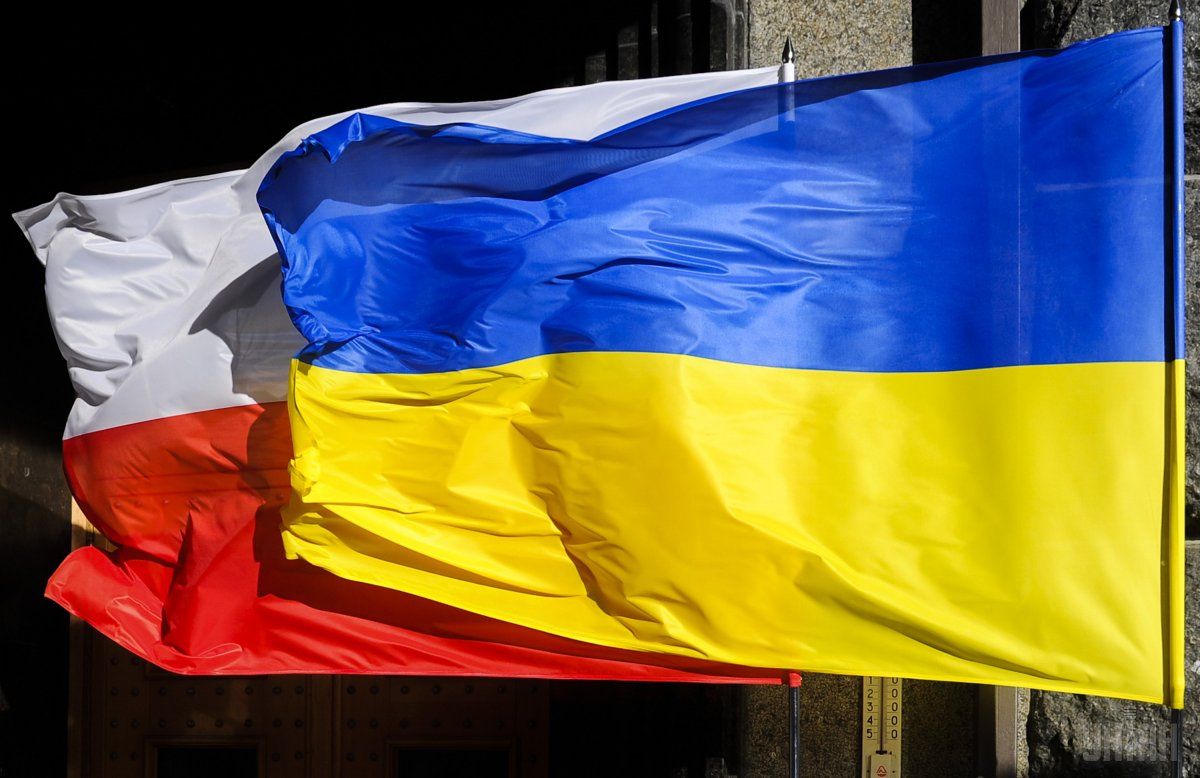
Poland has joined the club of trillion-dollar economies. The huge contribution to this breakthrough is Ukrainian.According to Ukraine’s Ambassador Vasyl Bodnar, the input of Ukrainians to Poland’s GDP in 2024 reached 2.7%, which is almost 30 billion dollars. At the same time, the ratio of Polish aid to Ukraine versus the resulting economic effect is 1:5: for every zloty spent by Poland on Ukrainians, five zlotys are returned. Against the backdrop of war and emigration, the economic interaction of the two countries has become not just a fact it has turned into a phenomenon of its own. Alongside changes in Poland’s migration policy and social norms, a new reality is taking shape: Ukrainians are not just working and consuming in Poland they are ensuring its development.
Poland’s Economy Is Growing The Figures Speak for Themselves
According to Bodnar, since 2022, Poland’s GDP has been steadily growing:
- 2022: +1.5%
- 2023: +2.3%
- 2024: +2.7%
- 2030 forecast: +3.5%
This dynamic makes Poland one of the 20 largest economies in the world. In fact, the country has already crossed the trillion-dollar GDP threshold. This milestone coincided with the mass arrival of Ukrainians after the start of the full-scale invasion. The ambassador states:
“Without Ukrainians, there would not have been such GDP growth in Poland and such a high position among developed economies.”
79,000 Ukrainian Enterprises in Poland
One of the key tools of influence is Ukrainian entrepreneurial activity. According to various estimates, over 79,000 private companies registered in Poland involve Ukrainians. Their role is twofold:
- Creating jobs for both Poles and Ukrainians
- Generating added value within the Polish economy, boosting competition
Importantly, Ukrainian businesses are already integrated into the Polish economy and are no longer a “temporary phenomenon.” They join business associations, sign international contracts, and expand supply chains. The ambassador adds:
“Ukrainian business in Poland serves the local economy. It has integrated and is now inseparable from the Polish ecosystem.”
Poland Changes the Rules: Electronic Legalization and Social Restrictions
Alongside Poland’s economic growth, there is a trend towards increased control and bureaucratization. In particular:
- Applications for the karta pobytu (residence card) can now be submitted exclusively online via the MOS platform
- Access to the “800+” child benefit program is now limited only to officially employed families
These changes are challenging for those who cannot legalize their employment, but they also stimulate the formalization of Ukrainian employment.
Not Everyone Works in Their Specialty, but Most Work
About 70% of Ukrainians who moved to Poland after 2022 have found work or opened a business. However, most work in positions that do not match their qualifications due to:
- language barriers
- lack of diploma recognition
- difficulty accessing professional associations or licensing
Nevertheless, Ukrainians have filled a significant portion of shortage positions: construction workers, technical staff, medical assistants, logistics workers. This has allowed Poland to maintain growth rates even amid a record-high unemployment rate in 2025.
Are Ukrainians Ready to Stay?
Despite business and employment activity, the overwhelming majority of Ukrainians declare their intention to returnonce the situation in Ukraine stabilizes.
- Only 1.5% of Ukrainians have received Polish citizenship in the past five years
- Many await Ukraine’s reconstruction plans to return with new skills, experience, and earned capital
“Most plan to return home. Home is home, and there will be plenty of work in Ukraine.”
Language Barrier: Real or Exaggerated?
The data varies:
- some sources state that only 40% of Ukrainians have basic proficiency in Polish
- others report that over 70% of working Ukrainians have basic language skills
The main problem is that Ukrainians work overtime and do not have time for systematic language study. Meanwhile, students are the most adaptive part of the diaspora and often become competitors for Poles in the labor market.


Today, Poland is a country where Ukrainians are not dependents, but economic partners.
- For every 1 zloty of government spending on Ukrainians, 5 zlotys are returned to the economy
- Ukrainians have filled labor shortages, launched tens of thousands of companies, created jobs, and contribute to the budget
- Despite rhetorical tensions, Poland wins structurally: demographically, economically, infrastructurally
This is not a story of dependents. It is a story of a transit interaction between two economies, where immigrants become growth factors, not a burden.
Ahead lies smart migration policy, a balance of social norms, and business-level partnership. For Ukraine, it is a vital signal: thousands of citizens have gained skills, capital, and connections abroad resources that will be crucial for rebuilding and developing the country after victory.
About the Author

Related posts:
 How Ukrainians Are Driving Poland’s Economy: Taxes, GDP, and Business Growth
  Why Ukrzaliznytsia’s Freight Tariff Increase in 2025-2026 Threatens Business and Ukraine’s Economy
  Big Business Under Pressure: How Taxes and Tariffs Are Reshaping Ukraine’s Economy
  Explosive Growth and New Challenges: How the Market for International Bus Transportation for Ukrainians Has Changed