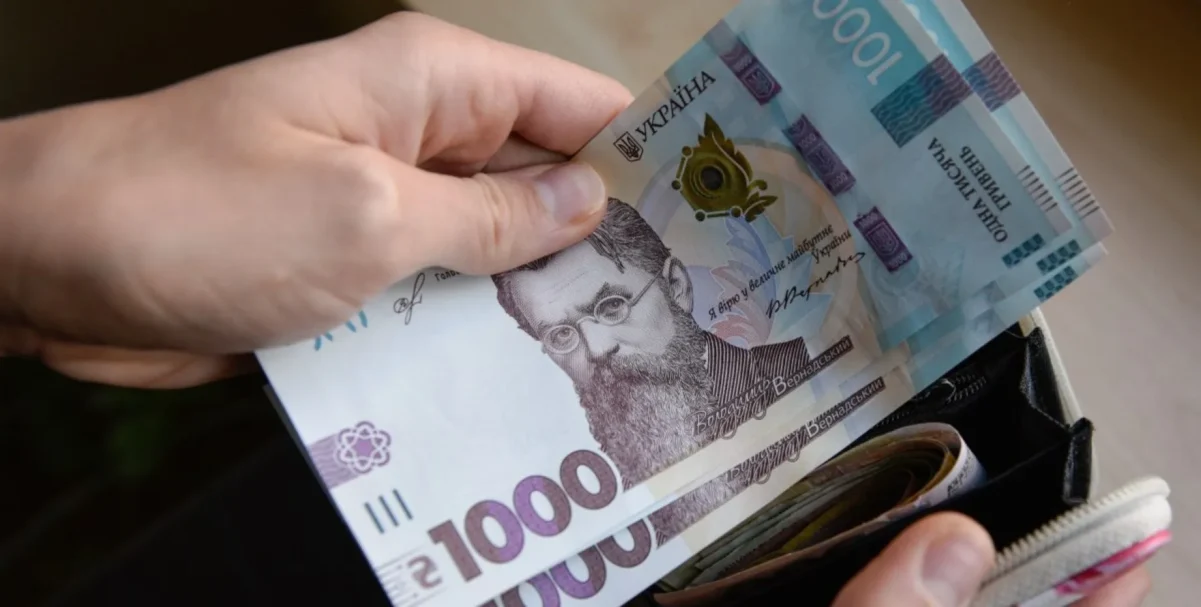
Cash in Circulation in Ukraine 2025: Why Volumes Are Growing and How the Economy Responds
As of October 1, 2025, cash in circulation in Ukraine reached 890.1 billion UAH an 8.2% increase since the beginning of the year. This is not a random trend but a reflection of both seasonal factors and deeper processes linked to the war. The National Bank of Ukraine provides detailed explanations, tracing a direct connection between the economic behavior of citizens, the level of risks, and the state of the payment infrastructure.
At the beginning of 2025, cash in circulation was 822.4 billion UAH, and by October it was 890.1 billion. In the first quarter, there was even a withdrawal of cash from circulation, but in the second and third quarters, demand surged. The NBU records:
“If in the first quarter of the year there was a withdrawal of cash from circulation, then in the second and third quarters, demand for cash somewhat revived.”
Overall, the amount of cash in the hands of Ukrainians increased by 67.7 billion UAH in just nine months. This growth, the NBU explains, is due to seasonality a classic trend for the Ukrainian economy, when consumer demand and cash payments increase during the summer-autumn period.
The Impact of War and Risks for the Payment System
In parallel with seasonal changes, the increase in cash has another cause. According to the NBU, in the third quarter of 2025, uncertainty about the end of the war intensified, air attacks became more frequent, and the risks of prolonged power outages increased. This affected the behavior of citizens:
Ukrainians are forming additional cash reserves “for a rainy day” – in case of disruptions with ATMs or the payment infrastructure.
This factor is called “increased uncertainty,” and it directly influenced the demand for cash.
Structure of Cash: Which Banknotes and Coins Dominate
According to official NBU data, there are 2.6 billion banknotes in circulation totaling 881.0 billion UAH and 15.1 billion coins totaling 8.9 billion UAH.
- The largest share of banknotes in circulation is the 500 UAH denomination 26.6% of all banknotes,
- the smallest is 50 UAH (4.5%).
- Among coins, the largest number is the 1 UAH denomination, the smallest 10 UAH.
As of October 1, 2025, there are 63 banknotes and 191 coins per Ukrainian resident. This structure has hardly changed since the beginning of the year.
An important nuance: since October, the gradual withdrawal of 10 kopeck coins from circulation has begun, as they have lost their payment function. Their share is 27.4% of all coins, but their role in payments is insignificant. This will allow the state to reduce costs for the production, processing, and transportation of small coins.
Post List




Banking Operations: Why Cash Turnover Is Growing
Bank cash turnover for the first half of 2025 increased by 9.2%, reaching 1.42 trillion UAH in receipts and 1.47 trillion UAH in disbursements. This is 25% more than the pre-war period of 2021. The NBU explains this by “positive economic activity, which was facilitated, in particular, by increased wages and social payments to the population, and stable consumer demand for goods and services.”
The largest share of cash issued by banks is through client operations using payment cards 85% of all disbursements. The next largest are currency exchange operations, and then support for postal operators.
The largest sources of cash inflow to bank cash desks are retail revenue (31.3%), card operations (23.4%), revenue from currency sales (16.3%), and revenue from all types of services (13.6%).
The increase in cash in circulation is not a sign of a lack of trust in the banking system. On the contrary, it is an adaptation to seasonal and wartime risks. The system operates stably, and banks continue to provide settlements and customer service even in difficult conditions.
The optimization of coin circulation and withdrawal of small denominations matches modern trends it saves money for the state and is convenient for users.
The increase in the share of large banknotes (1000 and 500 UAH) reflects overall inflation, increased cash transactions, and preparation for unforeseen situations.
The increase in cash “on hand” among Ukrainians is an expected reaction to a combination of seasonal, economic, and wartime challenges. At the same time, the infrastructure of banks and cash operations remains stable, and Ukraine’s financial system is adapting to new conditions, maintaining trust and ensuring the continuity of payments even during prolonged crises.
This does not signal a rollback in financial culture but demonstrates the resilience and flexibility of the economy in response to security risks.
About the Author

Related posts:
 Why Ukrzaliznytsia’s Freight Tariff Increase in 2025-2026 Threatens Business and Ukraine’s Economy
  Increasing Birth Payments: Will This Solve Ukraine’s Demographic Crisis?
  Ukraine’s Economy in August 2025: Survival Mode with Support That Won’t Last Forever
  Cash-on-delivery under control: what changes on July 1 and how it affects your small business