Why There Will Be No Local Elections in Ukraine During Martial Law: An Analysis of the Verkhovna Rada’s Decision
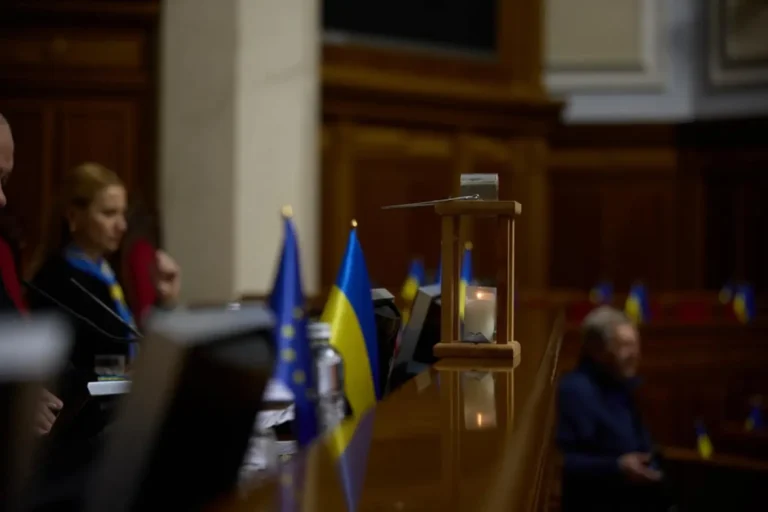
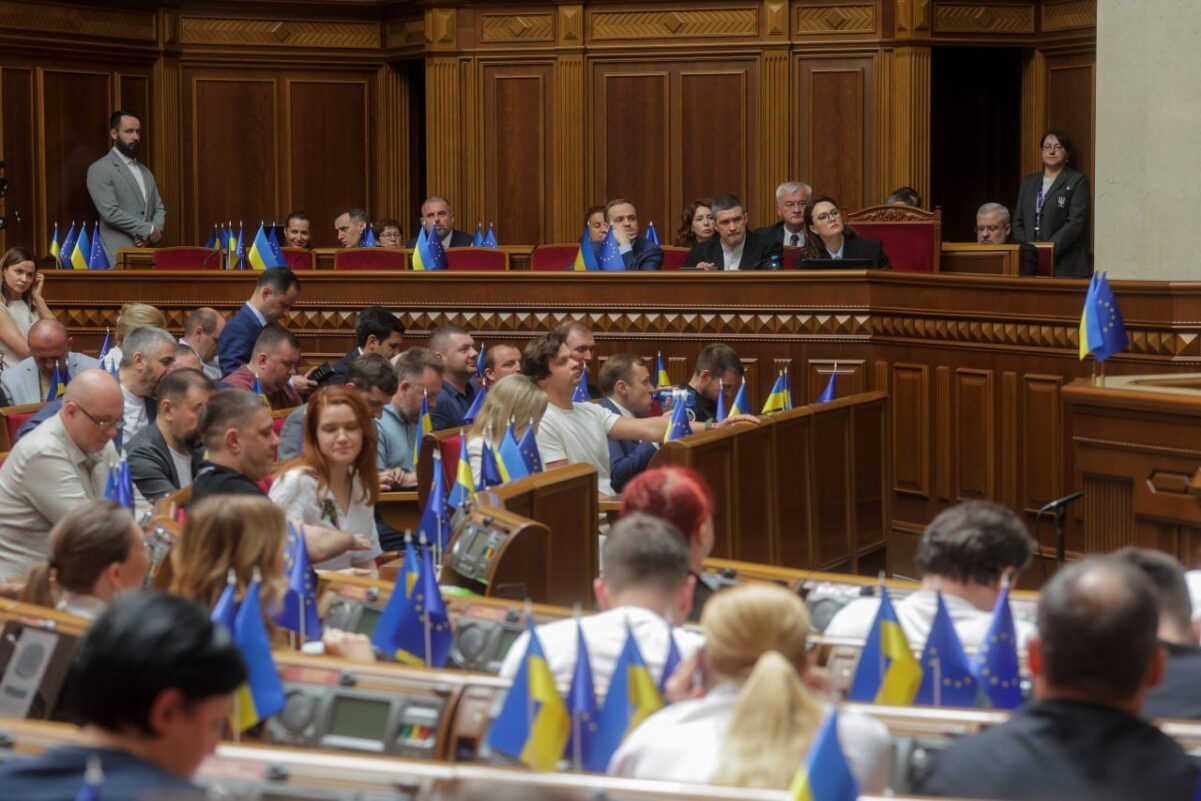
On October 8, 2025, the Verkhovna Rada of Ukraine adopted Resolution No. 14031 “On the Continuity of Functioning of Representative Bodies of Local Self-Government Under Conditions of the Military Aggression of the Russian Federation.” This decision was a direct response to the challenges of wartime and became the subject of active discussion among both politicians and experts.
The main idea of the resolution is to officially recognize the impossibility of holding local elections during martial law. The document states:
- The organization and conduct of local elections in accordance with national legislation and European standards is impossible during the Russian military aggression and the declared martial law.
- Responsibility for the impossibility of holding elections is placed on the aggressor state.
- Village, settlement, city, district, and regional councils, as well as community heads, remain authorized until new local authorities are elected after the end of the war.
“The organization of preparation and conduct of local elections in compliance with national legislation, European standards of democratic elections is impossible under the conditions of the military aggression of the Russian Federation against Ukraine and the martial law introduced as a result,” the resolution states.
Arguments and Rationale: Why Was This Decision Necessary
The reasons for this step are entirely pragmatic. Holding elections during war would mean creating additional threats for people, losing control over the quality of the electoral process, and risking the legitimacy of results in areas where military actions make free expression of will impossible.
The explanatory note to the resolution emphasizes: “We must not allow anyone to question the activities of local councils during martial law.” This approach also has a political dimension it prevents manipulation regarding the legitimacy of current councils and heads.
One of the authors of the document, MP Vitaliy Bezgin, underlines:
“This resolution is an obvious proposal. It is a political act by the Rada in support of the idea that all local self-government, after the expiration of the 5-year term, remains functioning and legitimate.”
What Powers Are Retained and for How Long
The resolution confirms: all local councils and heads elected in democratic elections remain legitimate and authorized, except those whose mandate was terminated early. This extension remains until new local self-government bodies are elected after the end of martial law and the holding of new elections. This decision allows to avoid a legal vacuum and administrative chaos.
Positions and Comments from Stakeholders and Local Government
Many mayors and representatives of local authorities supported the resolution. The Mayor of Dnipro, Borys Filatov, stated:
“The Rada’s decision is logical because if the MPs extended their own powers, it would be strange if they ‘forgot’ about the mayors and local councils.”
Additionally, the decision was supported by key parliamentary committees, representatives of civic associations, and international experts. It is noted that it also aligns with the recommendations of Ukrainian human rights organizations and the position of the Central Election Commission.
Legal and Practical Consequences of the Resolution
- The resolution does not amend the Constitution or basic laws, but establishes special rules for wartime.
- The legitimacy of local authorities during the crisis is protected at the parliamentary level, which prevents speculation about the “illegitimacy” of council and mayoral decisions.
- The absence of elections during the war is justified from the standpoint of security, compliance with democratic standards, and equal access for all citizens to the electoral process.
Post List

Responsibility and International Dimension
The resolution clearly states: responsibility for the impossibility of holding elections lies with the aggressor state. This is important from the point of view of future legal and diplomatic assessments of the situation. A similar position was voiced at the level of international organizations, which called on Ukraine to ensure the stability of local self-government until the end of the war.
The adoption of Resolution No. 14031 is a response to the unprecedented challenges of war, as well as a guarantee of the preservation of legitimate local authorities. For citizens, this means that local councils and heads do not lose their powers, continue to work, and resolve social, economic, and administrative issues even during the war. At the same time, the Verkhovna Rada’s decision establishes a legal foundation for the further restoration of democratic procedures after the end of martial law and the restoration of control over Ukraine’s territories.
Ukraine is protecting not only its borders, but also the principles of local self-government, transparency, and the stability of the state system in the most difficult conditions of modern history.
About the Author

Related posts:
 Government Resignation During Wartime: Why Political Reshuffles Became the Main Topic and What to Expect Next
  New Export Rules for Soybeans and Rapeseed: Will the Cabinet’s Resolution Unblock the Market?
  Post-War Elections in Ukraine: Why a New Law Is Needed and How Parliament Is Preparing for It
  Yulia Svyrydenko’s appointment as Prime Minister: what the ESB conflict reveals about government transparency in Ukraine