Ukrainians’ Bank Deposits in 2026: Why Banks Remain the Main Place to Keep Savings
As of March 1, 2026, funds of individuals in deposit and savings accounts in Ukrainian banks reached 1.65 trillion UAH. Over the month, this figure increased by 38 billion UAH, or nearly 2.4%. This does not look like a random short-term spike. Instead, it reflects a continuing trend showing that even under wartime conditions, banks remain the main place for people to store their money.
“Time for Action” analyzed these figures and concluded: for most Ukrainians today, a deposit is not a tool for high returns, but a way to maintain financial stability, have a reserve, and preserve at least some sense of predictability. When a country lives in prolonged instability, trust in the banking system becomes one of the clearest indicators that people still see it as a point of support rather than a source of additional risk.
The distribution of funds across banks presents a clear picture. The largest share of individual savings is concentrated in PrivatBank. In this state-owned bank, more than 24.2 million depositors hold over 632 billion UAH. Of this amount, nearly 165 billion UAH (in equivalent) is held in foreign currency. That means roughly a quarter of individuals’ funds in the bank are not in hryvnia. Over one month, the total grew from 618.5 billion UAH to 632 billion UAH. This is an increase of 13.5 billion UAH, or 2.2%. Second place belongs to Oschadbank. More than 12.6 million individuals keep nearly 243 billion UAH there. The foreign currency component exceeds 52 billion UAH (in equivalent), which is about one-fifth of all individuals’ funds in the bank. Over the month, the amount increased from 237 billion UAH to nearly 243 billion UAH. This is a growth of 6 billion UAH, or 2.5%. The third most popular bank among depositors is Universal Bank, operating under the monobank brand. Nearly 10.4 million individuals hold 143.6 billion UAH there. Of this amount, almost 64 billion UAH (in equivalent) are foreign currency deposits, which is nearly half. Over the month, the total rose from 139.5 billion UAH to 143.6 billion UAH. This is an increase of 4 billion UAH, or 2.9%. These three positions alone make one thing clear Ukrainians continue to trust either large state-owned banks or well-known institutions with strong reputations and convenient daily infrastructure. For clients, it is not only the interest rate that matters. Habit, accessibility of services, ease of use, a sense of stability, and confidence that the bank will not disappear overnight all play a role.
Another important part of the data is the size of deposits. In all three banks, the largest number of clients hold amounts up to 200,000 UAH. In PrivatBank, there are over 19.5 million such depositors, in Oschadbank nearly 5.9 million, and in Universal Bank 6.2 million. This is a key signal. It shows that bank accounts are primarily not about large capital, but about a widespread everyday model of saving. People place in banks not only surplus money, but also their financial cushion, funds for expenses, healthcare, education, major purchases, or simply money they prefer not to keep in cash at home. At the same time, the system also includes a noticeable number of large depositors, although they represent a different group. In PrivatBank, 5,614 individuals hold hryvnia deposits exceeding 5 million UAH. In Oschadbank, there are 3,660 such clients. In Universal Bank, 1,124. This means banks serve both ordinary savers and those with significant funds, but the overall picture is shaped by small and medium-sized deposits. The issue of deposit guarantees also deserves attention. In the three leading banks, the share of funds not covered by the Deposit Guarantee Fund is minimal compared to total volumes. In PrivatBank, this amount is 40 million UAH out of 632 billion UAH, in Oschadbank 6.5 million UAH, and in Universal Bank 10 million UAH. This is an important psychological factor. For most people, the guarantee of getting their money back is the basic condition for trusting a bank. When statistics show that uncovered amounts are extremely small compared to total deposits, this strengthens the sense of security.
A high concentration of funds is observed not only in the top three. Among banks with more than one million individual depositors are also A-Bank, PUMB, Raiffeisen Bank, Sens Bank, Ukrsibbank, Ukrgasbank, and OTP Bank. Together, deposits of individuals in these seven banks amounted to over 412 billion UAH as of March 1, compared to 400 billion UAH a month earlier. The monthly increase was 12 billion UAH, or 3%. If we look at the top ten banks overall, they account for 1.43 trillion UAH, which is about 87% of all individual deposits across 60 banks in Ukraine. This is a very high concentration. It means that the vast majority of people choose not just the banking system in general, but a narrow group of the most recognizable and trusted institutions. For the market, this is both a sign of trust and an indication of its uneven distribution.
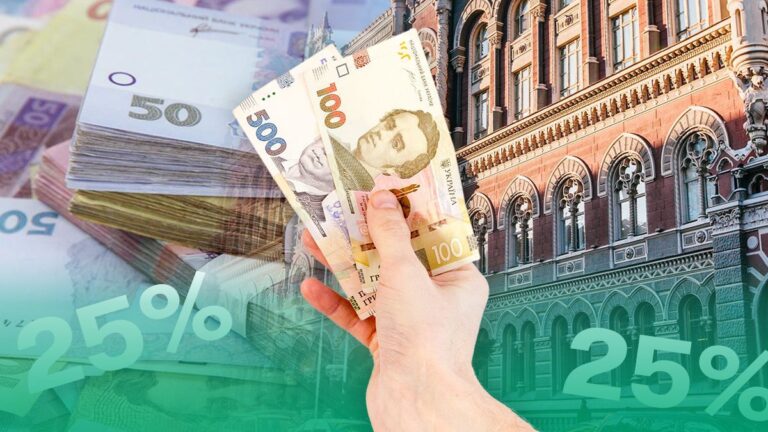
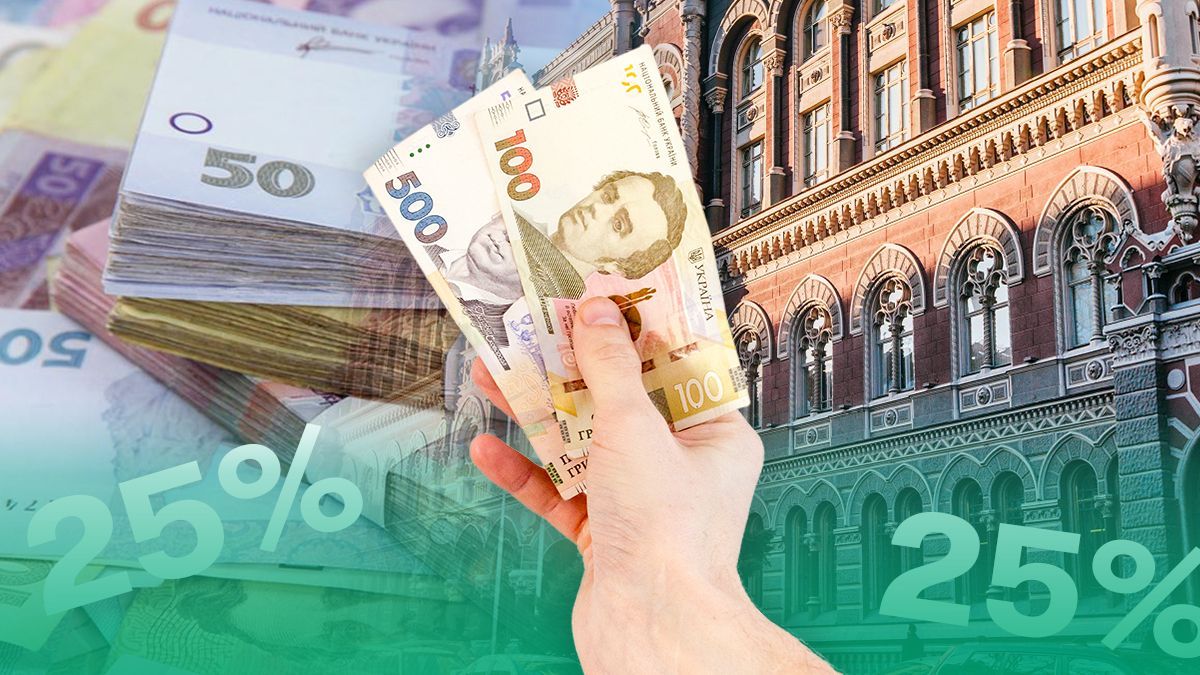
Interest rates are another reason why deposits remain popular. As of March 1, 2026, the weighted average rate on term deposits for individuals in hryvnia was 13.4% per annum. For foreign currency deposits, it was only 1%. These figures explain depositor behavior well. A hryvnia deposit still looks like a tool that allows not only preservation, but also moderate income. A foreign currency deposit, in contrast, hardly works as a way to earn money. Its function is different preserving value in a familiar form. This is why the share of foreign currency savings varies across banks. In PrivatBank, it accounts for about a quarter of total funds, in Oschadbank roughly one-fifth, and in Universal Bank nearly half. This reflects differences in client profiles and approaches to saving. Some prioritize income in hryvnia, while others focus on currency stability, even with minimal returns.

Despite the growth of deposits, the market cannot be described as simple or one-dimensional. Alternatives do exist. Among them are domestic government bonds, which can offer higher returns and at the same time support the state budget during wartime. There are also investments in Ukrainian and foreign stocks, REIT funds, residential real estate, precious metals, cryptocurrencies, and IT startups. However, each of these instruments requires a higher level of knowledge, patience, willingness to take risks, or a higher entry threshold. For many people, a deposit remains the most understandable option. Not because it is always the most profitable, but because it is the easiest to explain, the quickest to use, and requires the least specialized knowledge. In wartime, this becomes decisive.
The increase in deposits to 1.65 trillion UAH shows that Ukrainians, despite all challenges, have not abandoned the habit of saving. This indicates both a certain level of financial resilience and a desire to maintain control at least within personal budgets. In this system, a bank deposit is neither a luxury nor a complex financial product, but a form of everyday caution. The main conclusion is clear. Ukrainians choose deposits not because they expect high profits, but because they need predictability, protection, and accessibility. As long as other financial instruments remain less familiar or more complex for the wider public, the banking system will continue to serve as the primary repository of private funds. Even in a country living under wartime conditions, this remains one of the clearest indicators of public financial trust.
About the Author

Related posts:
 PrivatBank Writes Off UAH 140 Billion in “Dead” Loans: What Changes for the Bank, Clients, and the State
  Bank Profit 2025: Why Financial Results Declined Despite Rising Revenues
  Birsulivske and Likarivske Deposits: How Ukraine Is Launching Its First Strategic Investment Projects with the US
  Twenty Years of the Ukrainian Banking System: Crises, Transformations, and a New Stage of Stability