Fuel Cashback in Ukraine: How the Program Works and Whether It Can Reduce Costs
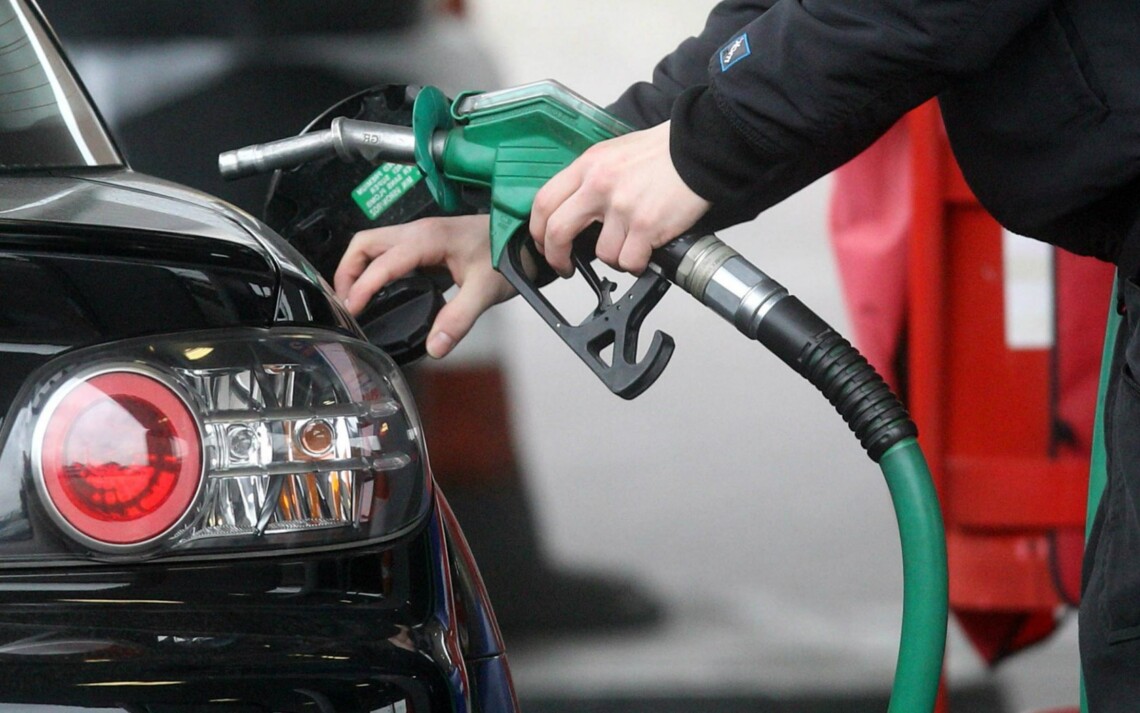
Ukraine has launched a short-term program to compensate part of fuel costs, responding to rising global oil prices and their impact on the domestic market. The decision предусматриває partial refunds for purchased fuel and has a limited duration until early May 2026.
“Time for Action” analyzed how the new mechanism works and what consequences it may have for the economy and consumers.
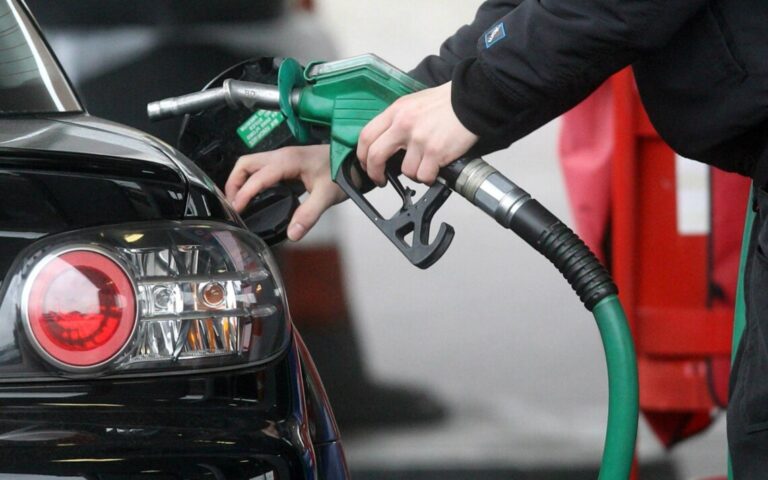
The program is built on the existing “National Cashback” infrastructure. This made it possible to launch it without creating new mechanisms or additional procedures. Compensation amounts to 15% for diesel fuel, 10% for gasoline, and 5% for autogas. At the same time, there is a cap no more than 1000 hryvnias per person per month for fuel expenses. A key feature is strict reliance on digital tools. Cashback is credited only for cashless payments, through bank cards connected to the program, and only if the transaction is confirmed by a fiscal receipt. The data is displayed in the Diia application, and payments are made with a delay by the end of the following month. This approach allows spending to be controlled and reduces abuse, but at the same time limits access to the program for some consumers who do not use cashless payments or are not connected to digital services.
Participation of gas station networks in the program is voluntary. At launch, around two dozen networks joined, and the list may expand. The effectiveness of the program directly depends on this, since cashback is credited only for purchases at participating networks. An important detail is the restriction on the method of purchase. Cashback is not credited if fuel is purchased in advance through mobile applications or fuel wallets. This again highlights the focus on controlled transactions at the moment of actual payment.
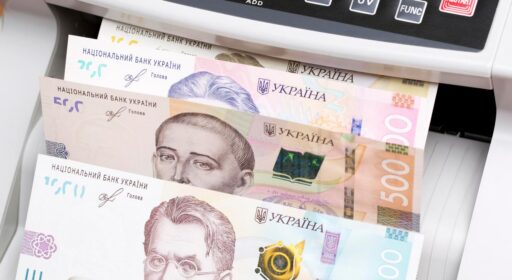
A separate aspect concerns the use of the received funds. Cashback cannot be withdrawn in cash it can only be spent on specific categories, including utility payments, Ukrainian-made food products, medicines, books, or donations to support the Armed Forces of Ukraine. This approach is aimed at supporting the domestic market and socially important spending. The financing of the program has become a subject of debate. The government states that it is implemented within already allocated funds, without additional pressure on the budget. At the same time, estimates of potential costs vary significantly. According to some calculations, monthly funding needs may amount to several billion hryvnias, with total costs over the program period being even higher.
“We studied how other countries respond to global oil price changes and chose the most optimal solution for Ukraine. The government launches fuel cashback through the existing infrastructure of the ‘National Cashback’ program. The program already works as a well-targeted and technological support tool”
At the same time, criticism is also voiced. Some economists point out that the mechanism effectively subsidizes an imported resource, since all fuel in Ukraine depends on external supplies. It is also noted that the main beneficiaries are car owners, who are not among the most vulnerable groups of the population.
“The idea of fuel cashback, like any other cashback, is economically illiterate, unjustified, and inappropriate”
“On the one hand, this is effectively a subsidy for imported goods, since all fuel in Ukraine is imported. On the other hand, the state is thus subsidizing often not the poorest people car owners”
Another argument from critics is the limited impact on the economy. In their view, such a program is unable to significantly change the market situation or compensate for the systemic factors driving price increases.
At the same time, the government emphasizes that the fuel market remains sufficiently supplied. Panic demand is gradually decreasing, and the main task of the state is to ensure uninterrupted supply for key sectors, including defense, emergency services, and agriculture during the sowing season.
Price increases are explained by external factors. The global situation on energy markets, linked to conflicts in the Middle East, directly affects fuel prices, and domestic tools cannot fully offset this influence. In this case, cashback acts as a short-term mitigation tool. It allows partial relief of consumer expenses during periods of sharp price fluctuations, but does not change the fundamental conditions of the market. The launch of the program also demonstrates the government’s approach to crisis response rapid implementation through existing mechanisms with minimal administrative costs. At the same time, the question of the effectiveness of such decisions remains open. In the end, fuel cashback is a targeted response to a specific situation. It can provide a short-term effect for some consumers, but does not solve systemic issues related to import dependence and the influence of global energy prices.
About the Author

Related posts:
 National Cashback in Ukraine: How a Single Program Changed Consumer Behavior and the Domestic Market
  Fuel prices are rising: how geopolitics, currency movements and winter are jointly pushing costs higher in Ukraine
  Fuel prices in Ukraine surge: what is happening on the market and whether there are grounds for suspicions
  Fuel Prices in Ukraine: Why They Are Rising, What to Expect