Ukraine’s Digital Integration into the EU: Requirements, Reforms, and What Changes Ahead
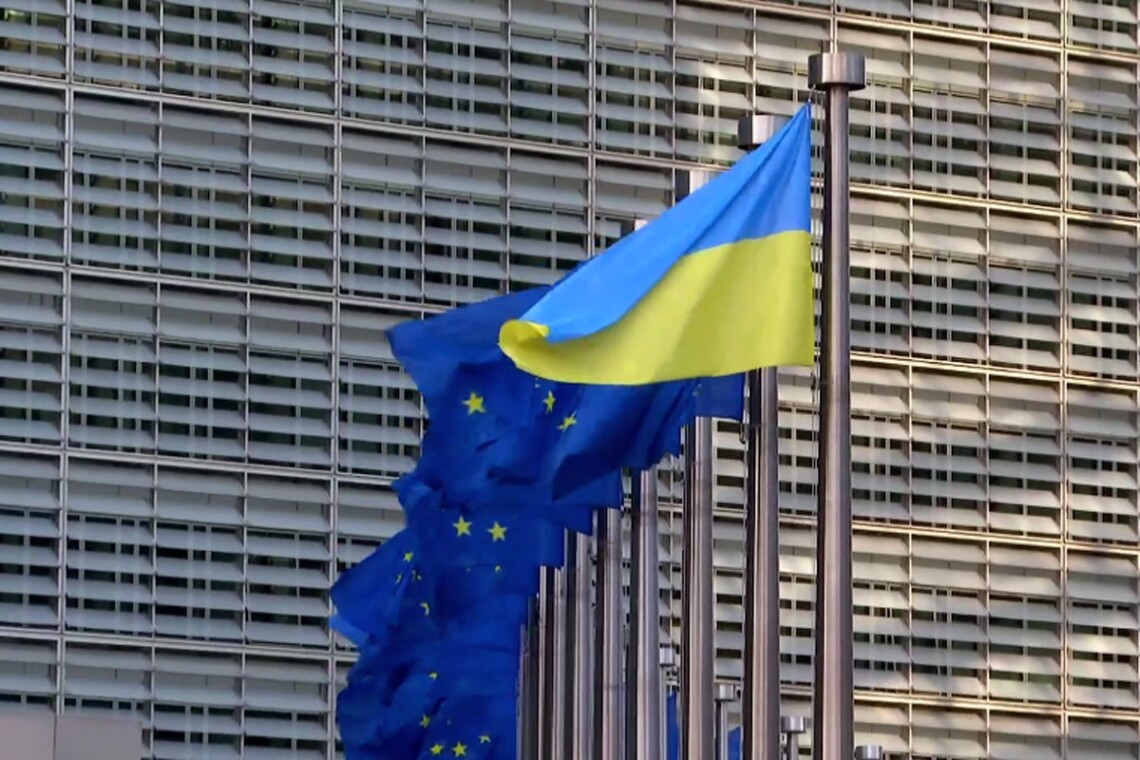
Ukraine has entered a phase that defines the real substance of its European integration. This is no longer about political declarations or general agreements, but about specific requirements whose implementation is a mandatory condition for membership in the European Union.
“Time for Action” analyzed what receiving the conditions under the “Digital Transformation and Media” chapter means and what changes await the country.
Ukraine is tasked with integrating into the EU Digital Single Market. This is one of the most regulated and at the same time перспективних sectors, covering a wide range of areas from electronic communications to artificial intelligence and semiconductor production. The key requirement is legislative harmonization. This means that Ukrainian rules in the fields of digital services, communications, and technologies must be aligned with European standards. It is not about isolated changes, but about a systemic restructuring that affects both state regulation and business conditions. A separate emphasis is placed on the independence of national regulators. They must operate autonomously, without political influence, and ensure equal rules for all market participants. For the European Union, this is a fundamental issue, since the effectiveness of laws is determined not only by their content, but also by how they are applied.
Another important aspect is administrative capacity. Ukraine must demonstrate that it is capable not only of adopting the necessary decisions, but also of implementing them in full. This applies both to the institutional capacity of state bodies and to the practical implementation of new rules in daily operations.
“The Ministry of Digital Transformation team has already started implementing part of the requirements. Next, we will have a session with the European Commission. Unified rules with the EU make us full-fledged players in the market, turning Ukraine into the best space for tech business development”
The digital direction has not only regulatory but also economic significance. Integration into the European digital space opens access to a broader market, investments, and technologies. This creates preconditions for the development of the IT sector and related industries, which already play an important role in the country’s economy.
Receiving the conditions under this chapter became part of a broader process. Ukraine has for the first time received a full package of requirements across all negotiation areas. They cover the economy, the internal market, external relations, environmental policy, the agricultural sector, and issues of competitiveness. This means that the accession process has moved into a phase where each area has clearly defined criteria. From now on, progress is measured not by statements, but by concrete results in fulfilling these conditions.
An important role in this process is played by Ukraine’s negotiation team. The update of its composition and the designation of those responsible for specific areas indicate a transition to more structured work with European institutions. At the same time, the digital cluster is indicative of the entire European integration process. It demonstrates that the key challenge is not only changing laws, but also the ability of the state to operate under new rules. This concerns regulatory transparency, institutional effectiveness, and overall trust in the system. Integration into the EU Digital Single Market also means higher requirements for business. Companies must adapt to new standards governing data protection, platform operations, the use of artificial intelligence, and other aspects of the digital economy.

At the same time, these changes create new opportunities. Unified rules simplify access to the EU market and make Ukrainian companies more competitive. This can become one of the drivers of economic growth in the medium term. The current stage shows that European integration is moving into the realm of practical action. How quickly and effectively Ukraine can meet the requirements will determine not only the prospects of EU membership, but also the country’s ability to modernize its economy and institutions. The digital direction plays a special role in this process. It combines technology, regulation, and the market, forming a foundation for further development. It is here that it becomes clear that integration into the EU is not a separate political course, but a comprehensive transformation of the state.
About the Author

Related posts:
 Ukraine and the European AI Board: A New Level of Digital Integration
  The State Moves to Bring the Digital Ride-Hailing Market Out of the Shadows
  A New Tax Reality for Digital Platforms: What Bill No. 14025 Changes and Why It Matters for Ukraine
  Digital euro and cash: how the EU is building a new payment system without abandoning the old one