Ukrainian Drones as a Tool of Influence: Global Demand, Export Risks, and a New Role for Ukraine
Ukrainian interceptor drones have come into the spotlight of international attention amid drone attacks in the Middle East. Interest in these technologies is driven not only by military needs, but also by a shift in approaches to air defense, where mass and relatively low-cost solutions are beginning to play a key role.
“Time for Action” analyzed how Ukrainian drones are transforming from a defensive tool into a geopolitical factor and what this means for Ukraine itself.
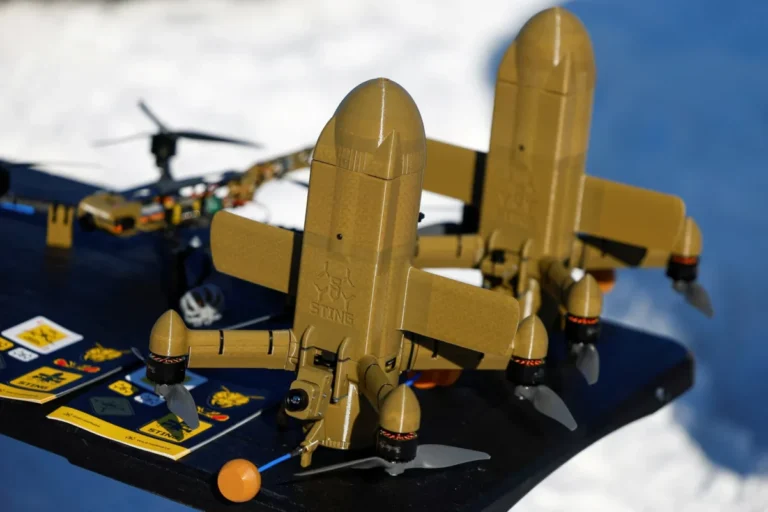
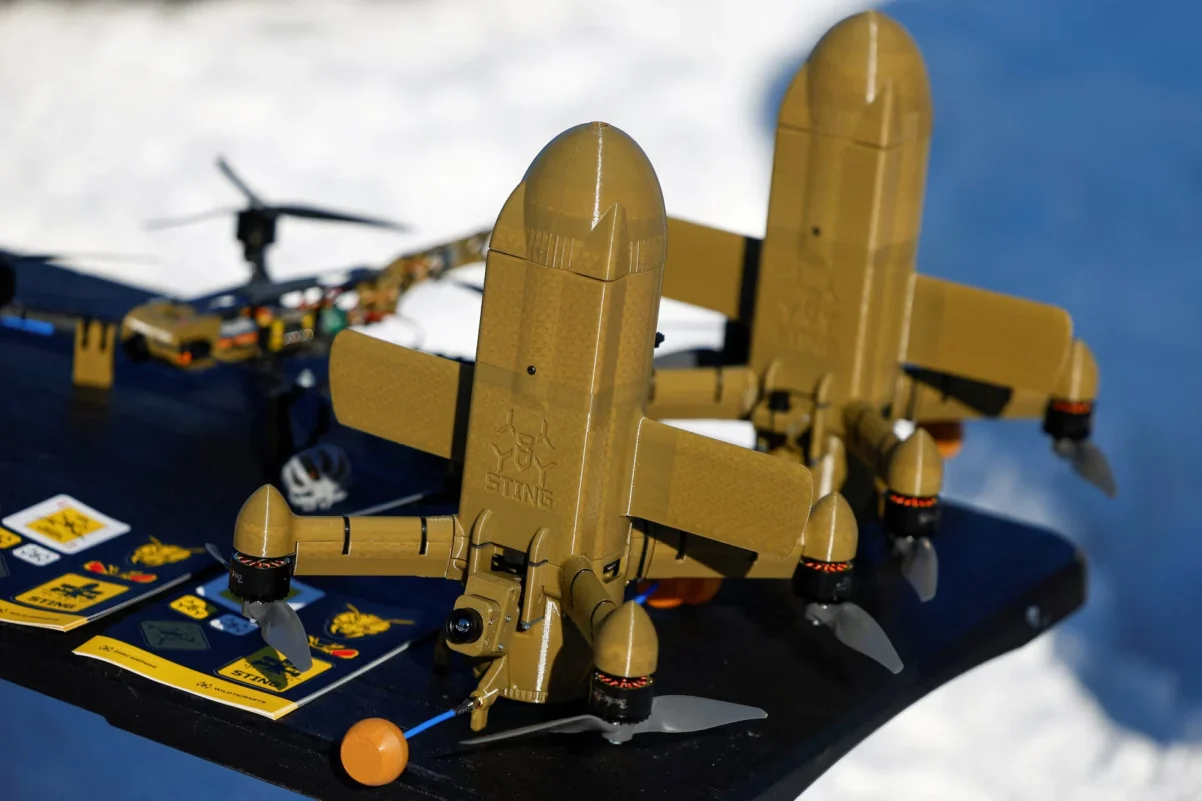
Military analysts consider interceptor drones to be one of the most promising areas of development. The concept involves responding to mass drone attacks not with expensive missiles, but with waves of domestic drones capable of autonomously detecting and destroying targets. This approach changes the economics of defense, reducing interception costs while increasing efficiency.
“Our skills, our drones, and the specialists who work with them are now more valuable than oil”
The growing importance of Ukrainian technologies is linked to the fact that drones have become a key tool for attacking critical infrastructure, including oil processing facilities. This creates demand for solutions that can counter such threats quickly and at relatively low cost. In this segment, Ukraine has gained practical experience that most countries lack.
Another important shift is the transformation of Ukraine’s role. At the beginning of the full-scale war, the country appealed to partners to close its skies. Now it is capable of helping other states solve similar challenges.
“Who could have imagined just four years ago, before the full-scale war began, that there would come a time when we would be helping to close the skies?”
Interest in Ukrainian drones from the United States, Middle Eastern countries, Japan, and Israel indicates the emergence of a new market segment. This is not only about selling equipment, but about broader cooperation that includes knowledge transfer, deployment of specialists, and joint implementation of technologies. It is at this stage that long-term partnerships are formed.
“Cheap mass interceptor drones are now one of the ‘hottest’ commodities”
Under these conditions, drones can become a negotiation tool for Ukraine. There is potential to exchange technologies for critically needed resources, primarily air defense systems and missiles. This approach allows Ukrainian developments to function not just as a product, but as an element of foreign policy.
At the same time, such a strategy carries risks. The transfer of equipment or specialists abroad means a redistribution of resources, which may affect the country’s own defense capabilities.
“If some amount of forces and resources is sent to Jordan, it means that somewhere Ukraine’s own defense is weakened”
The key question is whether these losses are compensated by concrete results. Without clearly defined agreements and obligations from partners, there is a risk that expected support will be delayed or insufficient.
“There is no need to play at nobility it is necessary to achieve one’s goals”
Another aspect is the real value of Ukrainian technologies. Manufacturers emphasize that it is not about individual drones, but about a comprehensive system that includes target detection, control, coordination, and operator training.
“By purchasing a drone, no one in the world will gain access to the knowledge base that we possess”
It is this system, rather than the devices themselves, that creates a competitive advantage. It is based on real combat experience, which cannot be quickly replicated.
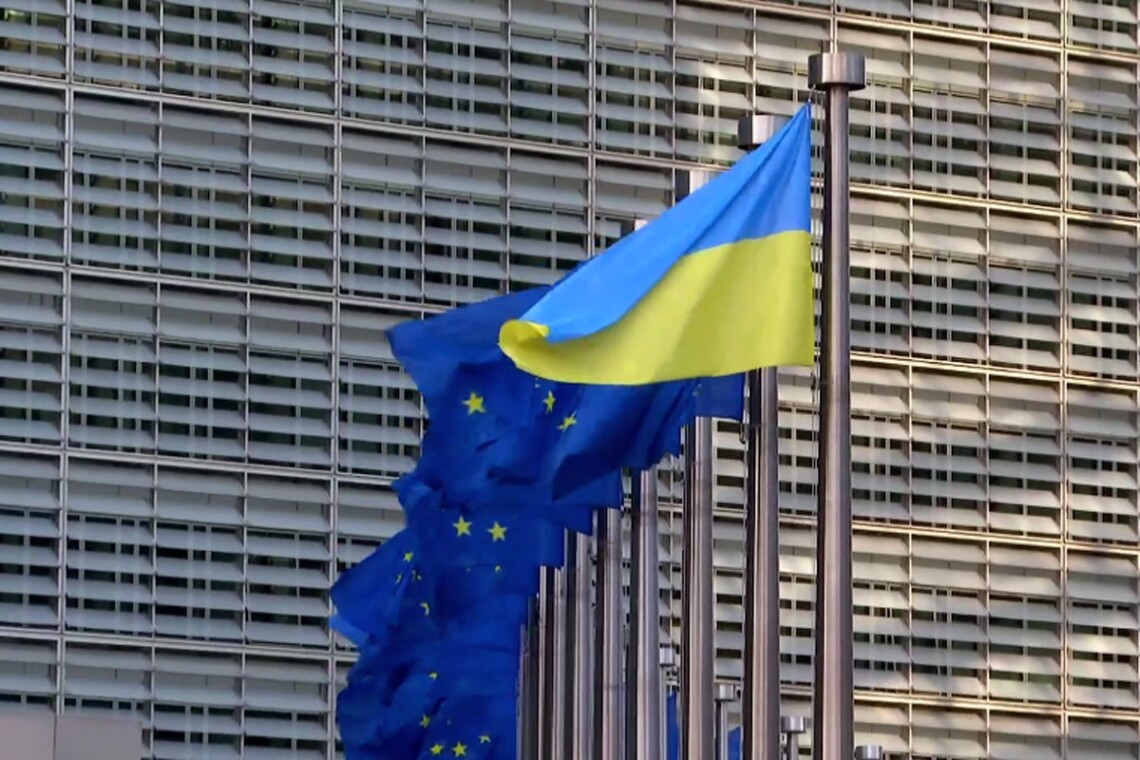
At the same time, the risk of technology leakage is increasing. Some requests come from intermediaries who do not represent states or real end users. In such cases, it is difficult to control the final use of technologies, creating security risks.
“Some of those who want to buy equipment are resellers”
This strengthens the role of the state in controlling technology exports. Without centralized oversight, there is a risk of losing control over key developments. Despite these challenges, market potential remains significant. Demand for counter-drone systems is growing alongside the expansion of drones as a tool of warfare. Ukraine has already demonstrated the effectiveness of its solutions and can occupy an important position in shaping this new segment of defense technologies. The current situation shows that drones are no longer just a tactical tool. They are becoming part of the global security system and, at the same time, a resource that influences international relations. For Ukraine, this creates new opportunities, but also requires a clear strategy in which every decision must take into account both benefits and long-term risks.
About the Author

Related posts:
 Ukraine moves to mass production of interceptor drones
  From Six Months to Ten Days: How Digital Systems and Drones Are Reshaping Ukraine’s Defense Industry
  Anti-Shahed Defense System: How the Armed Forces of Ukraine Are Expanding Their Capabilities Against Kamikaze Drones
  Oil Pressure, New Sanctions, and India’s Energy Choices: How the Global Oil Map Is Shifting Under U.S. Influence