Ukraine’s Veterinary Market Is Growing with the Pet Industry but Remains Fragmented
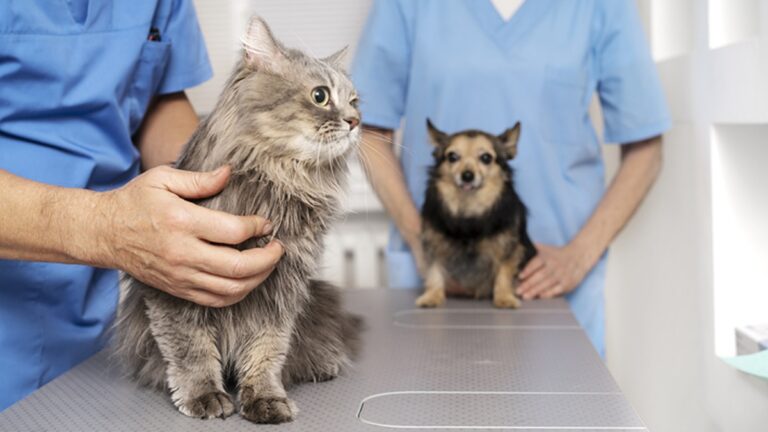
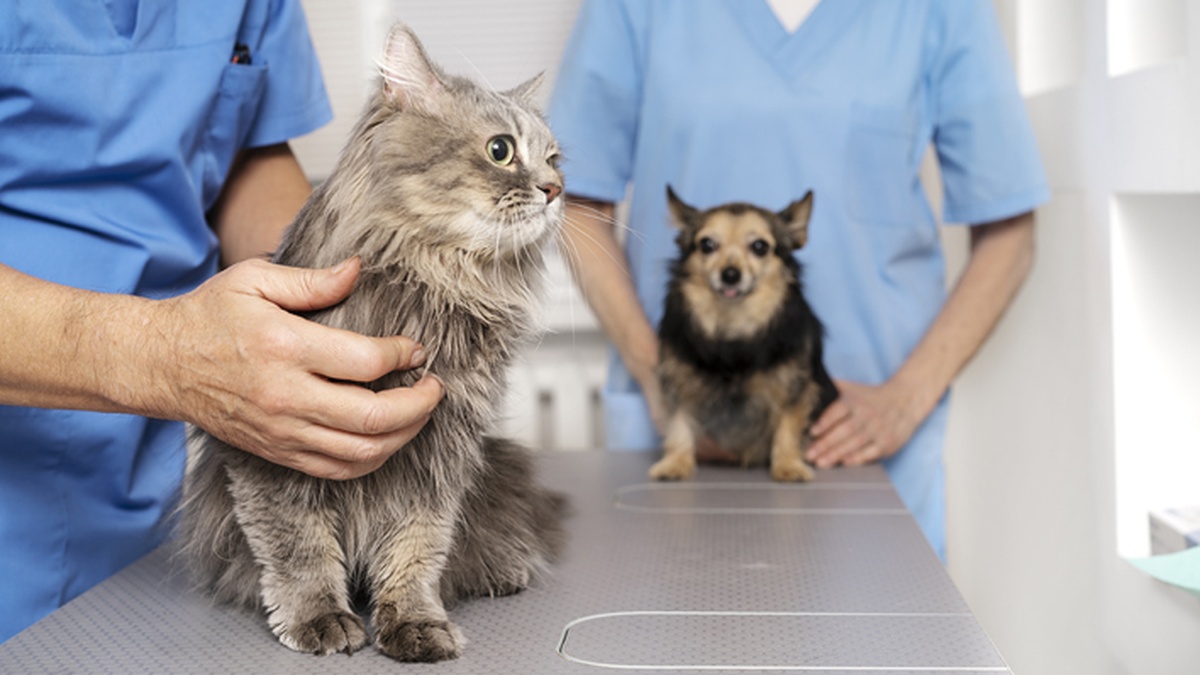
The number of pets in Ukraine is increasing, and along with it the veterinary services market is gradually developing. According to industry estimates, the country has approximately 7–7.5 million cats and up to 5 million dogs. More than half of households own pets, which creates stable demand for treatment, diagnostics, and related services.
Time for Action analyzed the structure of the veterinary market, the scale of the industry, and the reasons why large clinic networks remain rare.
The total size of Ukraine’s pet industry is estimated at about 40 billion hryvnias per year. This amount includes pet food, veterinary medicines, clinical services, diagnostics, accessories, and pet care products. The largest share of this market belongs to the pet food segment. Veterinary clinics occupy a significantly smaller portion. The combined revenue of the 15 largest veterinary clinics in the country in 2025 amounted to about 200 million hryvnias. Even the largest clinic has annual revenue of roughly 50 million hryvnias. For comparison, a single large private medical clinic in Ukraine can generate 300–500 million hryvnias in revenue each year.
A fragmented structure of the industry
The Ukrainian veterinary services market remains one of the most fragmented in Europe. Most of the sector consists of small practices. According to the analytical platform YC Market, the veterinary sector includes:
- 2,392 individual entrepreneurs
- 583 companies
Thus more than 80% of the market is formed by private entrepreneurs. In many cases veterinary practice operates as a small clinic or even a single-doctor office. This model largely explains the high level of competition between clinics. Co-owner of the “Zviropolis” network Svitlana Panaiotidi notes:
“The veterinary medicine market in Ukraine is formed both by network players and by a large number of individual offices and local clinics, many of which historically operate in the format of a ‘single-doctor clinic’. This structure largely explains the high level of competition in the industry.”
Why veterinary clinics are difficult to scale
One of the main reasons for the slow consolidation of the market remains the high cost of opening a clinic. Chief doctor of the Kyiv City Veterinary Medicine Hospital Roman Repetskyi explains that launching such a business requires significant investment.
“Opening a veterinary clinic is not like launching a coffee shop. You need to rent premises, carry out specialized renovations according to medical standards, equip an operating room, reception area, and front desk. And most importantly purchase expensive equipment.”
Medical equipment for veterinary medicine costs tens of thousands of dollars.
“A modern ultrasound machine costs $25–40 thousand. A biochemical analyzer costs about 400 thousand hryvnias. An X-ray system costs up to 600 thousand. An endoscopic system costs around 300 thousand more. Inhalation anesthesia equipment costs up to 800 thousand hryvnias.”
Another barrier is the shortage of narrow-specialization veterinarians. Cardiologists, orthopedists, and ophthalmologists in veterinary medicine are relatively rare. They must be trained and sent to specialized courses and conferences.
A gradual change in the market structure
Despite these challenges, the industry is gradually changing. Some clinics are opening new branches and forming small networks. According to the State Service of Ukraine on Food Safety and Consumer Protection, in 2025 the country issued 120 licenses for veterinary activity and opened 94 new veterinary clinic locations. Head of the State Service Serhii Tkachuk explains:
“We understand that certain clinics are scaling up. Some are becoming networks. The general trend is the expansion of operations of those license holders who are already working in this market.”
This indicates gradual consolidation of the sector, although the process remains slow.
How client behavior has changed
The full-scale war has significantly affected the operation of veterinary clinics. At the beginning of the invasion many medical institutions continued working, but the number of clients sharply decreased. Over time the market began to gradually recover. At the same time the behavior of pet owners has also changed. People increasingly choose not the clinic itself but a specific doctor they trust.
Regional competition is increasing
The veterinary services market is also actively developing in the regions. For example, the number of clinics in Lviv has noticeably increased. Chief doctor of the “Vetmedkompleks” clinic Yuliia Martyniv says that before the full-scale war there were about 50 veterinary facilities in the city. Now there are more than 80. Population growth due to internal migration contributed to the opening of new clinics. At the same time the increasing number of veterinary facilities has intensified competition.
How much veterinary services cost
The cost of veterinary care varies significantly depending on the clinic and the complexity of treatment. According to Roman Repetskyi:
“Currently a consultation with a doctor costs 378 hryvnias, and then depending on the procedures required from 1,000 hryvnias and higher.”
In Lviv prices are slightly higher. Yuliia Martyniv notes:
“On average a consultation costs about 500 hryvnias.”
Industry representatives emphasize that determining an average bill in veterinary medicine is difficult. The cost of treatment depends on the clinic’s specialization, equipment, and the complexity of the case.


Why international networks do not enter Ukraine
Globally veterinary medicine has long become a large business sector. According to Grand View Research, the global veterinary services market in 2024 was valued at $145.65 billion and continues to grow. In developed countries the sector is actively consolidating. Large networks unite hundreds or thousands of clinics. For example, Mars Veterinary Health operates about 3,000 clinics worldwide. The European network AniCura includes nearly 500 clinics in 15 countries. In Poland the veterinary market is estimated at approximately €0.9–1.5 billion annually. Large network groups already operate there and actively acquire independent practices. International veterinary networks are not yet present in Ukraine. Svitlana Panaiotidi explains this by economic factors:
“For international networks to enter our market, the culture of visiting veterinarians must be much higher, as must the level of citizens’ income. In addition, investors take into account that we have a war, which creates additional risks.”
Demand for veterinary services in Ukraine is gradually increasing alongside the growing number of pets. However, the market structure remains fragmented. Most clinics operate as small private practices, while large networks are only beginning to emerge. High competition, expensive investments in equipment, and a shortage of specialists slow down the consolidation of the industry. At the same time the gradual expansion of clinics and the development of a stronger culture of pet care indicate that the veterinary sector continues to evolve and is slowly moving toward a more structured model of development.
About the Author

Related posts:
 Regulation of the Real Estate Services Market in Ukraine: Public Demand, Government Response, and Market Prospects
  Insurance During Wartime: The Market Is Growing on Paper but Contracting in Reality
  Ukraine’s Tobacco Industry: Taxes, Shadow Market, and Public Health Risks
  The Primary Housing Market in 2025: Why Demand Remains Low While Prices Rise