Ukraine Energy Strategy: Power Generation Recovery, Gas Reserves and Energy System Protection
Ukraine’s energy sector remains one of the most vulnerable parts of the national economy, while at the same time determining the country’s overall stability. After large-scale damage to infrastructure, the government’s key task has become not only restoring destroyed facilities but also restructuring the entire energy supply system.
“Time for Action” analyzed the priorities announced by the government and their possible implications for the energy sector.
One of the central tasks is the restoration of generation capacity damaged during attacks on the power system. According to government estimates, the losses exceeded 9 GW of capacity. Despite this, the energy system has managed to stabilize its operation. At this point, about 3.5 GW of capacity from thermal power plants, combined heat and power plants, and hydroelectric stations has already been partially restored. The next step will be returning another 4 GW of generation to operation, with more than 2 GW expected to be launched by the end of May. This means that the recovery of the system is progressing gradually, with the main focus on bringing energy units back into operation as quickly as possible.
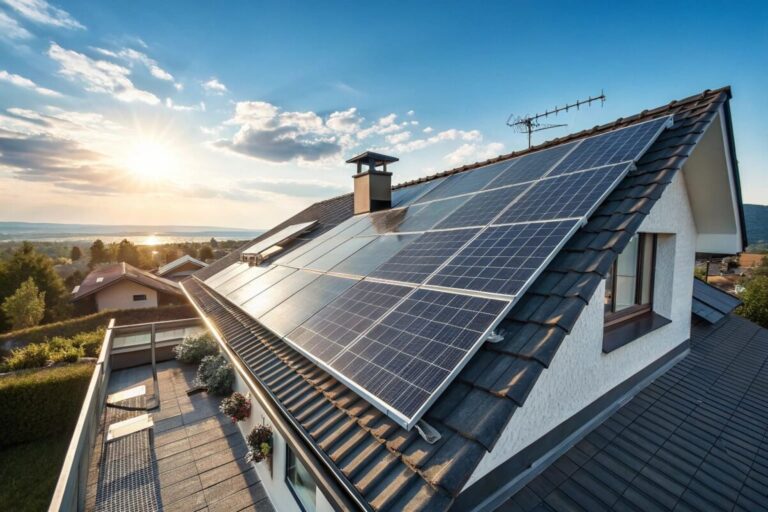
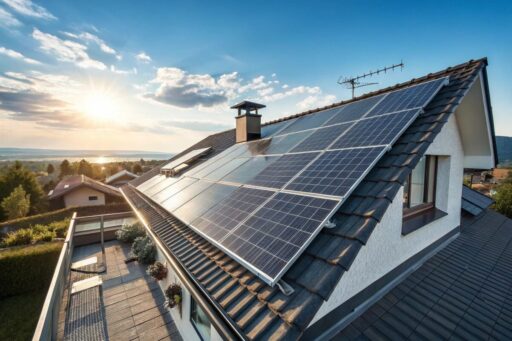
At the same time, the state is developing another model of electricity production distributed generation. This refers to smaller power plants located closer to consumers and operating independently of large centralized facilities. Since the beginning of the full-scale war, about 1.5 GW of such capacity has already been commissioned in Ukraine. This approach allows the energy system to become more resilient. Large power plants remain important, but distributed generation can compensate for losses more quickly in the event of new attacks.
Another priority remains gas storage in underground facilities. By the end of the current heating season, the reserves are expected to stand at about 9.5 billion cubic meters of gas. The government’s goal is to increase storage volumes to 13 billion cubic meters before the start of the next winter season. This level is necessary to ensure stable operation of district heating companies, industry, and the country’s heating system for households.
The government is also focusing on stability in the fuel market. In March alone, Ukraine imported almost 250 thousand tons of gasoline, diesel fuel, and liquefied gas. At the same time, reserves currently amount to around 100 thousand tons of gasoline and diesel each. These import volumes are linked to the tense situation in global energy markets. Escalating international conflicts could trigger global disruptions in fuel supply, which is why maintaining sufficient reserves remains a critical task.
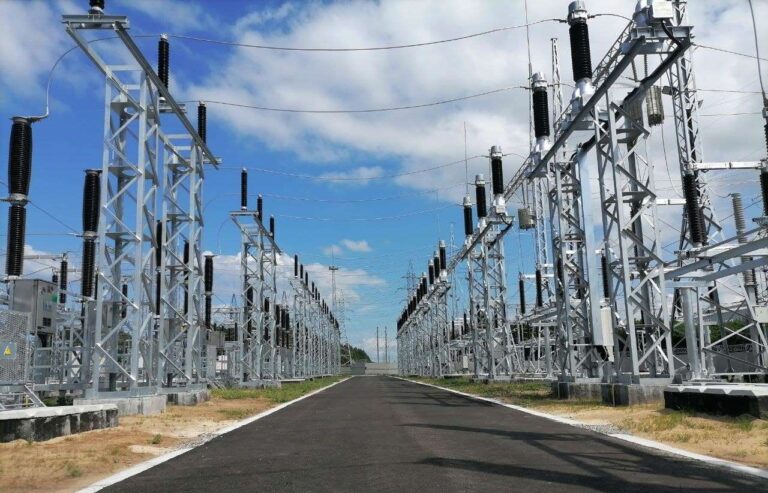
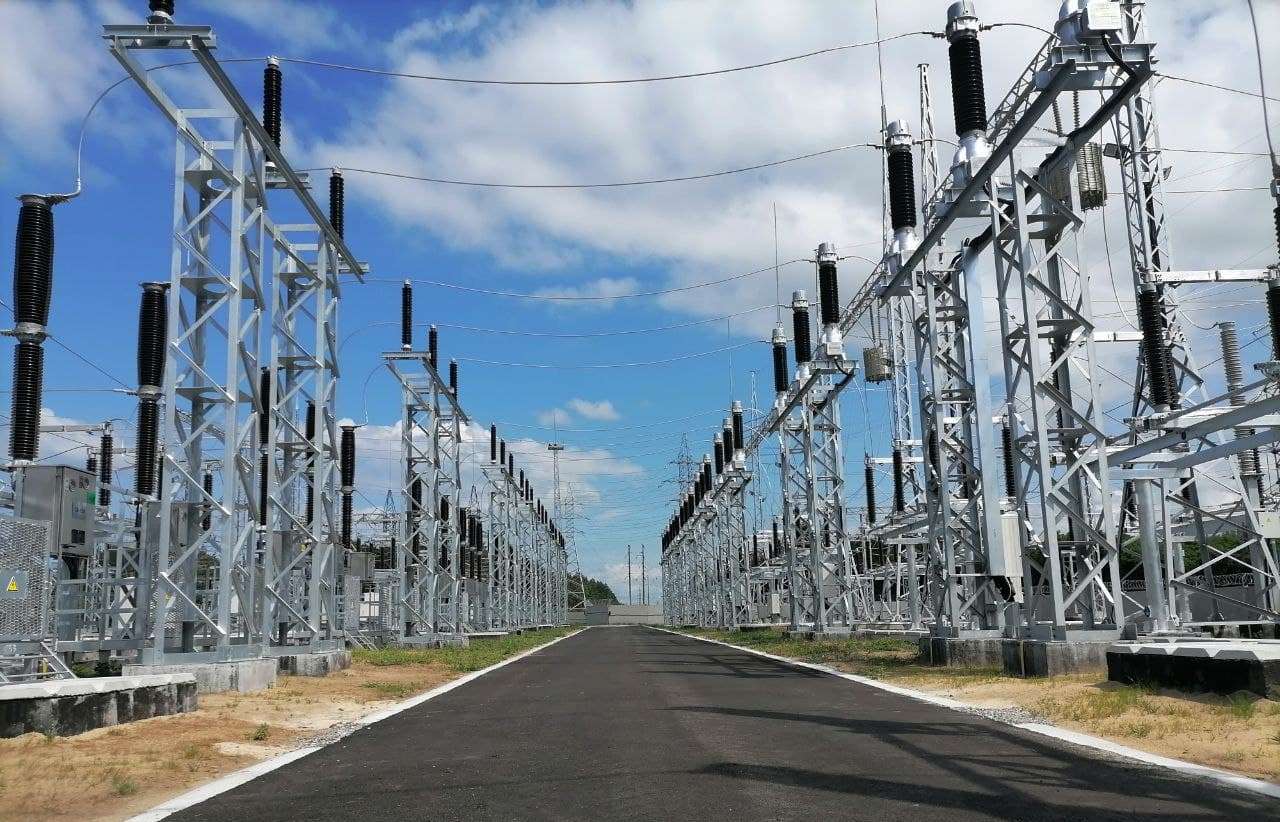
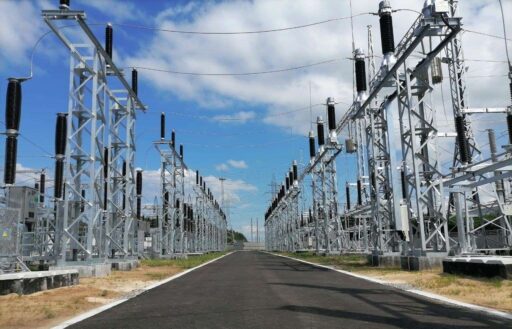
Another major direction is the physical protection of energy facilities Construction of a second level of protection is underway at 84 substations and 134 critical elements of the energy system. These engineering structures are designed to reduce the consequences of attacks and accelerate the restoration of equipment. At the same time, active protection systems are also being developed.
“Active protection means air defense. We have a successful experimental project involving critical infrastructure enterprises in the air defense system. We are also continuing to build passive protection systems shelters for energy facilities.”
This approach combines military and engineering solutions to protect energy infrastructure.
The government is also changing the pricing mechanism for certain electricity producers. Gas turbine and gas piston units that produce electricity exclusively previously received gas at a fixed price of 16,000 hryvnias per thousand cubic meters. The new fixed price for this category is 21,000 hryvnias per thousand cubic meters. This step indicates a gradual transition toward more market-based conditions in the energy sector.
A separate decision concerns possible crisis situations in the gas market. In the event of a shortage, the company Ukrnafta will be able to purchase imported gas using credit funds. The resource will later be sold at a price fully covering the costs of procurement and transportation. This mechanism is intended to allow a rapid response to potential supply deficits without placing additional pressure on the state budget.
Restoring the energy system requires substantial financial resources. Total needs are estimated at around $90.6 billion. The government acknowledges that these investments cannot be covered solely through public funding. Therefore, Ukraine plans large-scale attraction of private capital through public-private partnership mechanisms. In addition, Ukraine is promoting the idea of international coordination of support in a format similar to an “energy Ramstein”, through which about €5 billion in assistance from international partners is expected to be mobilized.
What These Decisions Mean
The announced steps show that the country’s energy policy is entering a new phase. Alongside the restoration of damaged facilities, a different model of the system is being formed more decentralized and more resilient to attacks.
Key elements of this model include:
- distributed generation,
- protection of critical infrastructure,
- accumulation of energy resources,
- market mechanisms within the energy sector.
These factors will largely determine how stable Ukraine’s energy system will be in the coming years.
About the Author

Related posts:
 The New Energy Landscape of Ukraine: Small-Scale Generation, Challenges and Development Strategy
  Government reshuffle under pressure: why Ukraine is changing energy and defense leadership now
  Energy Terror as a Strategy: What the Massive Attack of December 27 Revealed
  Energy on the Edge: Why Ukraine Is Convening an “Energy Ramstein” in the Middle of Winter