Ukraine’s Housing Market Is Reviving: Why Demand Is Rising and What Is Happening to Prices in 2026
At the beginning of 2026, the Ukrainian residential real estate market is showing noticeable activation. Buyer interest in apartments is increasing both in the new-build segment and on the secondary market. Developers and analysts speak about a gradual recovery of the market after difficult years when decisions to purchase housing were postponed due to security and economic uncertainty.
Time for Action analyzed the key trends and reasons behind the changes in the housing market.
One of the most noticeable changes has been the growth of demand on the primary market. According to industry participants, buyer interest in apartments in new residential developments increased by approximately 23% over the year. Co-owner of the construction company STIKON Zhanna Kryuchkova explains that demand is primarily formed by the basic needs of buyers.
“Demand for housing is primarily formed by basic needs: safety, improvement of living conditions, investment feasibility, and trust in the developer.”
These factors remain key even in difficult economic conditions. People seek to improve their living conditions or preserve their savings through investments in real estate. At the same time, buyers assess the developer’s reputation and the actual construction timelines much more carefully. Interestingly, the energy situation and the risks of possible blackouts play only a secondary role in the decision to purchase housing. They may influence the choice of a specific residential complex but do not determine the decision to buy itself.
Why primary housing is becoming more expensive
Along with the revival of demand, prices are also increasing. In dollar terms, the average cost of apartments in new buildings has increased by approximately 10–12% compared with 2025. The main reason is the rise in construction costs. New technical requirements for residential buildings have been added to the traditional factors.ьModern projects must ensure the autonomous operation of critical systems for at least 48 hours. This means installing backup power sources and modernizing engineering infrastructure.
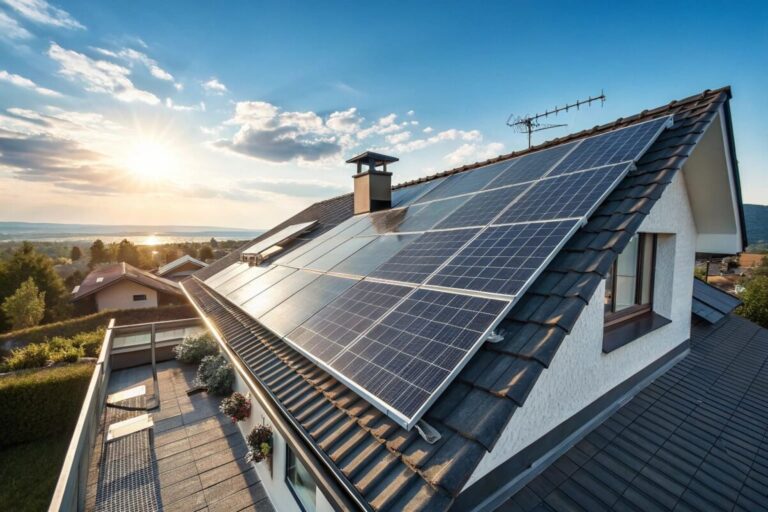
Many developers go even further and implement additional technological solutions. These include solar panels, battery systems, powerful generators, backup engineering units, and autonomous power supply for telecommunications systems. Such innovations increase comfort and the resilience of buildings to power supply disruptions, but at the same time increase construction costs. On average, they add several percent to the price of apartments.
Regional picture of the market
Price growth is observed almost throughout the country, although the dynamics differ depending on the region. In some regions, the annual increase in the price per square meter exceeded 20%. This most often occurs in relatively safe regions where population and businesses are relocating.
In large cities the growth looks more restrained. For example, in Kyiv the annual price increase amounted to approximately 4%. In February 2026, the average price per square meter in new residential developments in the capital reached 57.1 thousand hryvnias. Despite this, the capital remains one of the most expensive housing markets in the country.
Activity on the secondary market
The secondary housing market is also showing signs of revival. In many regions the number of new listings for apartment sales has increased. The largest increase in supply was recorded in Kyiv, as well as in Lviv, Chernihiv, and Chernivtsi regions. At the same time, in several regions the supply decreased slightly. Prices on the secondary market are changing unevenly. In some regions significant growth has been recorded. For example, in Sumy region housing prices increased by approximately 21%, in Ternopil region by 12%, and in Cherkasy region by 11%. At the same time, in many regions prices remain approximately at the level of the previous month.
Differences in housing prices between regions
The real estate market in Ukraine shows significant regional contrasts. The most affordable housing on the secondary market is recorded in Zaporizhzhia region. The average price of a one-room apartment there is approximately 16 thousand dollars. In Kyiv the situation is the opposite. The average cost of a one-room apartment has reached approximately 89 thousand dollars.
Even within the capital the difference between districts remains significant. In Pecherskyi district a one-room apartment costs on average about 180 thousand dollars. In Desnianskyi district the average price is approximately 49.5 thousand dollars.


Where demand is growing the fastest
Buyer interest in housing has increased most noticeably in several regions of the country.
The largest growth in demand has been recorded in Chernihiv, Zhytomyr, Kyiv, Cherkasy, and Mykolaiv regions.
At the same time, in frontline regions demand is decreasing. The largest decline is observed in Sumy region, as well as in Zaporizhzhia and Kharkiv regions.
The Ukrainian housing market is demonstrating a gradual recovery of activity. The growth of demand for new buildings and the revival of the secondary market indicate that real estate remains one of the key instruments for preserving capital. At the same time, the structure of demand is changing. Buyers are paying increasing attention to safety factors, the reliability of the developer, and the energy autonomy of housing. Further development of the market will largely depend on the economic situation, security conditions, and the pace of recovery of the construction sector. However, current trends indicate that the real estate market is gradually adapting to new realities and beginning to return to more stable dynamics.
About the Author

Related posts:
 The Primary Housing Market in 2025: Why Demand Remains Low While Prices Rise
  Housing Market on the Brink of a Shortage: What Awaits Ukraine After Security Stabilization
  Insurance of Housing Against War Risks: Between Limited Protection and Growing Demand
  Ukrainian Housing Market: Why Home Prices Are Flat but Rents Are Soaring