Bitcoin Tops $68,000 After News of Iran’s Leader Death What Markets Are Pricing In
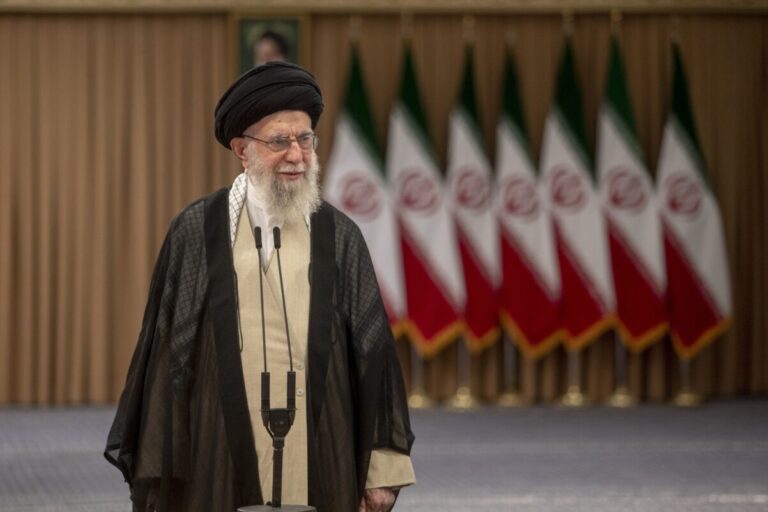
Bitcoin on Sunday surpassed the $68,000 mark, almost fully recovering the losses it suffered a day earlier due to escalation in the Middle East. The trigger was confirmation by Iranian state television of the death of Supreme Leader Ayatollah Ali Khamenei as a result of US and Israeli airstrikes.
Time for Action analyzed why this news triggered a sharp rally in cryptocurrencies and why it may prove unstable.
On Saturday, cryptocurrency prices reflected expectations of a prolonged regional conflict. Bitcoin had fallen below $64,000. However, within hours of official confirmation of Khamenei’s death, quotations reversed. The fluctuation between $64,000 and $68,000 represented roughly $80 billion in market capitalization change over a short period. The increase occurred under low weekend liquidity conditions. This amplifies price movements and makes them sharper. The market reacted not to finalized political decisions but to its interpretation of risks. Khamenei held ultimate authority over Iran’s military structures, foreign policy, and nuclear program. His death creates a power vacuum at a time when the country is engaged in active military confrontation. Under constitutional rules, interim leadership is exercised by a council including the president, the head of the judiciary, and a representative of the Guardian Council until the Assembly of Experts appoints a successor. There is no clear timeframe for this process.
Judging by the reaction, traders assumed that internal power struggles could increase the likelihood of de-escalation or at least shorten the active phase of the conflict. This assumption formed the basis for a shift toward risk assets. In addition to bitcoin, other leading tokens rose sharply. Solana gained more than 10%, ether returned to around $2,000, and XRP, BNB, Cardano, and dogecoin posted increases of 4–7%. At the same time, weekly performance remains mixed. Some assets are still in negative territory over seven days, indicating the fragility of the rebound. Volatility was intensified by low liquidity. Saturday’s sell-off and Sunday’s rally occurred under the same thin market conditions. This means the true assessment of events will come after futures on oil, equities, and bonds reopen, allowing institutional capital to respond.
Iran is located in a region responsible for approximately one third of global crude oil exports. If markets interpret the death of the Supreme Leader as a factor of regime destabilization or a risk of supply route disruptions, energy prices may surge. This would strengthen inflation expectations and tighten financial conditions, which traditionally weighs on risk assets, including cryptocurrencies. The opposite scenario assumes that succession mechanisms in Iran will ensure relative stability and prevent large-scale escalation. In that case, risk assets may continue to find support. An additional indicator of sentiment came from prediction markets. A ceasefire contract between the United States and Iran is priced with a high probability of occurring by the end of March or April. This reflects expectations of a faster resolution.

Despite its convincing appearance on the 24-hour chart, the rebound remains vulnerable. A midweek surge to $70,000 already showed that the market can quickly lose momentum after initial optimism. Geopolitical news has become the main driver of short-term moves. So far, the crypto market shows no signs of a sustainable trend and is reacting to changing expectations regarding the duration and scale of the conflict. Further dynamics will depend on the response of traditional markets. If oil rises and stock indices open lower, Sunday’s rally may quickly fade. If global investors confirm a bet on reduced tensions, cryptocurrencies may have a chance to consolidate at higher levels. In the coming days, the balance between geopolitical uncertainty and risk appetite will determine the trajectory of bitcoin and the broader crypto market.
About the Author

Related posts:
 Bitcoin and War in the Middle East: Why Crypto Reacts First and Where It Leads
  Crypto Market Liquidations: How the US-China Trade War Sparked Record Losses for Bitcoin
  Operation “Rising Lion”. What Israel’s strike on Iran means and where it may lead
  Trump’s Force-First Course on Iran What’s Behind the Strikes