Slovakia-Ukraine: Fico Threatens to Halt Emergency Electricity Support Over Druzhba Oil Transit
Slovak Prime Minister Robert Fico announced that starting February 23, Slovakia would suspend emergency electricity assistance to Ukraine if Kyiv does not restore the transit of Russian oil through the Druzhba pipeline.
“From today, if the Ukrainian side turns to Slovakia with a request for assistance in stabilizing the energy grid, it will not receive such assistance.”
According to Fico, he addressed the leadership of the Slovak transmission system operator SEPS, as well as Finance Minister Ladislav Kamenický as its sole shareholder, requesting the suspension of emergency electricity supplies to Ukraine. The public signal was clear: electricity assistance may be halted as a response to the suspension of oil transit. At the same time, according to data from the European Network of Transmission System Operators for Electricity (ENTSO-E), commercial electricity imports from Slovakia to Ukraine were still ongoing at the time of the statement. This indicates that no actual full suspension had yet taken place.
Time for Action has analyzed the statements of Slovak Prime Minister Robert Fico and the related energy and political implications. This issue is not limited to electricity or oil transit; it concerns the use of energy as a lever of influence amid war and regional instability.
Slovakia and Hungary have been receiving Russian oil via the Druzhba pipeline, which runs through Ukrainian territory. On January 27, transit was halted due to damage to Ukrainian energy infrastructure caused by a Russian strike. Ukraine reported that transportation became technically impossible. The Slovak Prime Minister stated that the suspension of transit caused significant financial losses for his country. He also claimed that Ukraine had previously halted gas supplies, costing Slovakia approximately €500 million annually. Fico emphasized that Slovakia has supported Ukraine since the beginning of the full-scale war, hosting around 180,000 Ukrainians, providing humanitarian assistance, and participating in joint governmental meetings.
“We are doing substantially more for Ukraine than some other countries.”
If oil transit is not restored, Fico pledged to instruct the state-owned company SEPS to suspend emergency electricity supplies to Ukraine, which are used to stabilize the Ukrainian energy grid. According to him, in January 2026 the need for such supplies was twice as high as during the entire year 2025.
Ukraine’s Position: Energy Blackmail
Ukraine’s Ministry of Foreign Affairs described the statements from Budapest and Bratislava as energy blackmail.
“Ukraine rejects and condemns ultimatums and blackmail from the leadership of the governments of Hungary and the Slovak Republic regarding energy supplies between our countries.”
The Ukrainian side recalled that the suspension of transit resulted from a Russian strike on critical infrastructure of the Naftogaz group in Brody, Lviv region. Repair work is ongoing under the threat of further attacks. Ukraine has also proposed alternative routes for transporting non-Russian oil, including through the Odesa–Brody pipeline and via maritime logistics with subsequent transshipment in ports. In a letter to the European Commission, Ukraine stressed that stable operation of the oil transport system is only possible if the Russian Federation ceases its missile and drone attacks.
Hungary and the Coordinated Position
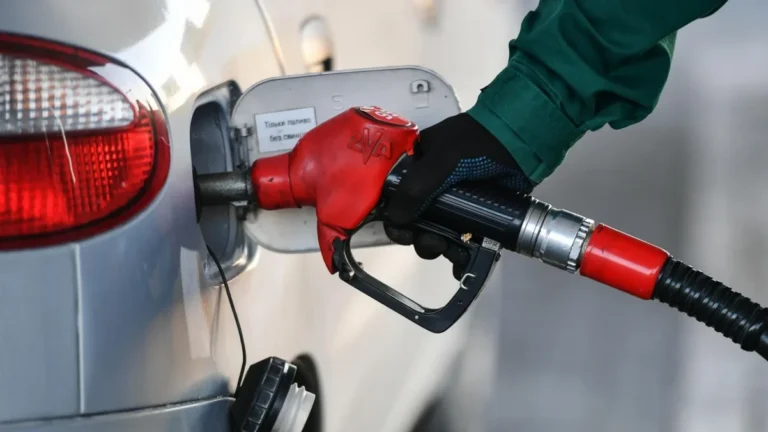
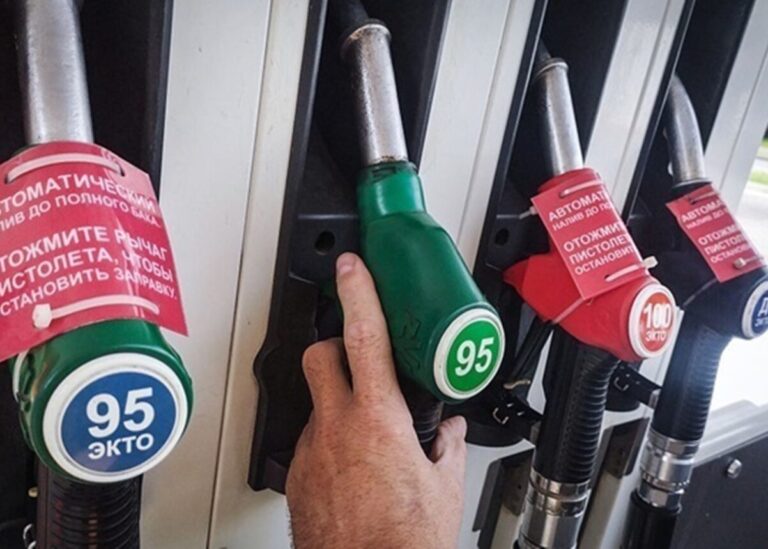
Slovakia’s Prime Minister was supported by Hungarian Prime Minister Viktor Orbán. However, Hungarian Foreign Minister Péter Szijjártó later stated that “special caution” is required in matters of electricity supply to avoid harming Hungarians in Zakarpattia. On February 16, Hungary and Slovakia requested Croatia to allow transportation of Russian crude oil through the Adriatic pipeline. On February 17, it became known that Croatia declined the request until the Druzhba route is restored. On February 18, Hungary and Slovakia suspended diesel supplies to Ukraine and stated they would not resume them until the Druzhba pipeline is repaired.
The European Dimension: ENTSO-E and Risks for Slovakia
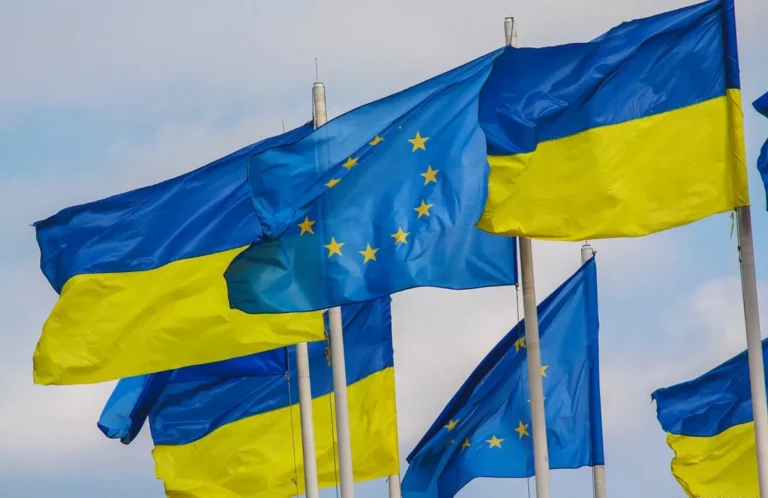
Experts point out that unilateral suspension of emergency assistance may contradict the rules of the European Network of Transmission System Operators. Slovakia is part of the synchronized European energy system, and decisions affecting grid stability must consider common obligations. If emergency supply is treated as part of a stabilization mechanism, its suspension may raise questions at the level of the European Commission and regulatory authorities. Ukraine, in turn, is considering activating the Early Warning Mechanism предусмотрed under the EU–Ukraine Association Agreement. This mechanism provides for joint action to respond to threats of interruption in gas, oil, or electricity supplies.
Energy as a Political Instrument
The current situation demonstrates how energy interdependence chains become instruments of political influence. Transit of Russian oil, emergency stabilization of Ukraine’s grid, diesel supplies all are now elements of a broader negotiation landscape. Formally, these are technical matters. In reality, they concern redistribution of risk and responsibility under wartime conditions. Ukraine maintains that the infrastructure damage was caused by Russian attacks, not by a political decision in Kyiv. The Slovak side points to financial losses and dissatisfaction with Ukraine’s actions.
Post List
What Comes Next
At the time of the statements, full suspension of electricity supplies had not occurred. Commercial imports were ongoing. Nevertheless, public declarations by the prime ministers of Slovakia and Hungary signal readiness to use energy leverage as a pressure tool.
Further developments will depend on:
- technical restoration of the Druzhba pipeline;
- the position of the European Commission;
- decisions within ENTSO-E;
- the willingness of the parties to reach compromise.
Regional energy security remains fragile. Amid ongoing Russian strikes on infrastructure, any additional restrictions may have consequences not only for Ukraine but also for the stability of the broader European supply system.
About the Author

Related posts:
 Hungary and Slovakia Suspend Diesel Supplies: Will Ukraine Face Fuel Shortages?
  Energy Strikes on Ukraine, Emergency Blackouts and the Belgorod Attack
  Energy Emergency: why the state is shifting to crisis mode and what it means for people
  Ukraine, Winter, and Electricity: Is the Energy Sector Ready to Withstand Attacks?