Crimea as a Training Center for Unmanned Systems Troops: The New Military Specialization of the Occupied Region
Occupied Crimea is increasingly being transformed into a specialized center for training personnel for the Russian Federation’s unmanned systems troops. Russian authorities have built a full-cycle infrastructure in the region that covers talent selection, training, formation of a кадровий reserve, and subsequent integration into military structures. In this way, Crimea has effectively been designated as a strategic territory for preparing one of the key components of modern warfare.
According to statements from the occupation administration, the region has become the only territory under Kremlin control where a systematic model of training in unmanned technologies has been established. This involves not only courses for active servicemen but a multi-level system that begins at the school level and continues in colleges and universities. Young people are engaged in technical training, assembly, and operation of drones, forming a long-term personnel base.
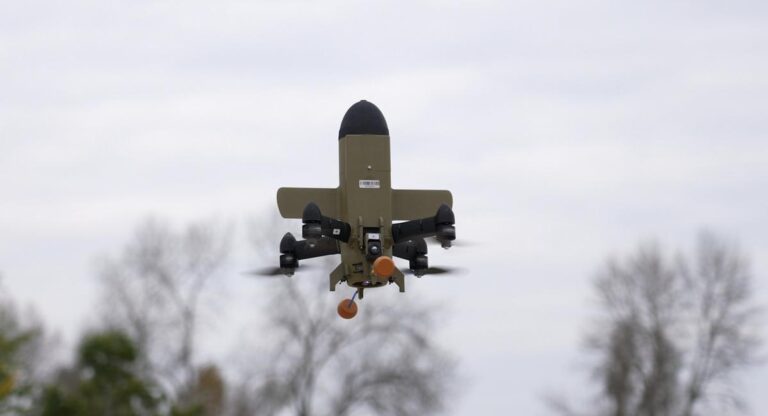
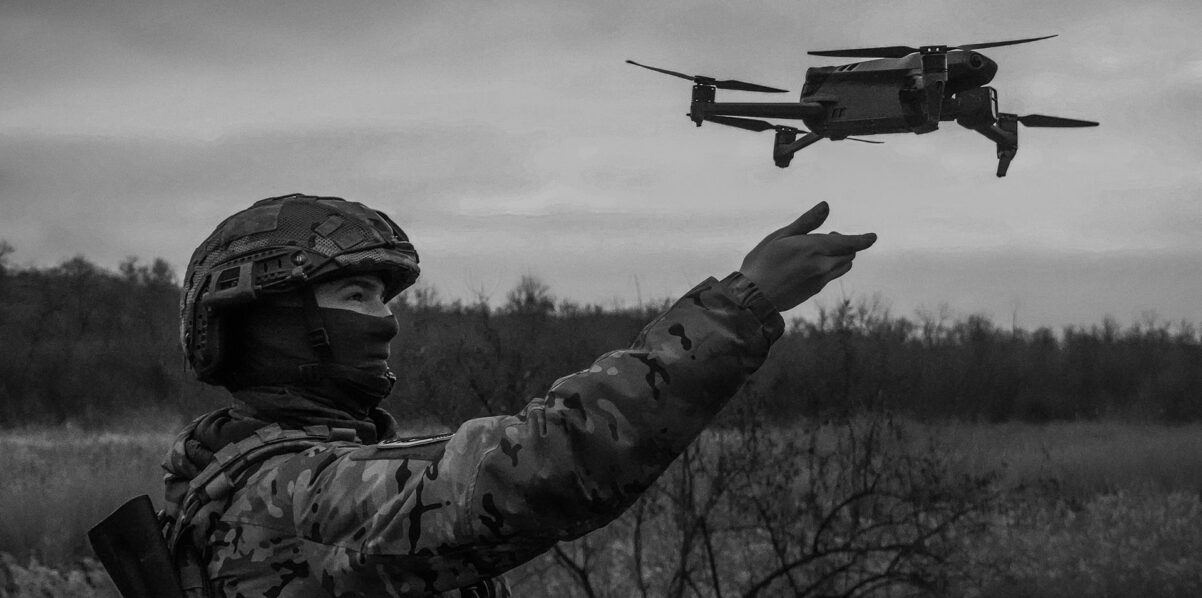
Training centers for unmanned aerial vehicle operators operate in Crimea and are presented as the largest among regions of neighboring Russia. The full operator course lasts more than 50 days, and more than 1,500 Russian servicemen have already completed it. At the same time, infrastructure for training FPV drone operators is being actively developed, indicating a focus on the mass use of relatively inexpensive strike systems. The formation in 2025 of unmanned systems troops as a separate branch within the Russian Armed Forces has institutionalized this direction. The official completion of the new structure in the third quarter of 2025 means that personnel training is no longer an auxiliary function but part of a state military strategy. The Crimean model combines military and so-called civilian training. Unmanned technologies are promoted as tools for agriculture, forestry, and cartography. However, this duality enables large-scale training of specialists who can later be incorporated into military units. Training is conducted using actual testing grounds, allowing practical skills to be developed in conditions close to combat.
Administrative support plays a central role in the process. The leadership of occupied Crimea is directly involved in fulfilling recruitment plans for contract soldiers, and the development of unmanned systems infrastructure has been defined as a priority. Reports indicate that the creation of a military academy in Simferopol for training officer-level personnel for unmanned systems troops is under consideration. If implemented, Crimea could become not only a center for basic operator training but also a hub for forming the command level of the new branch of troops.
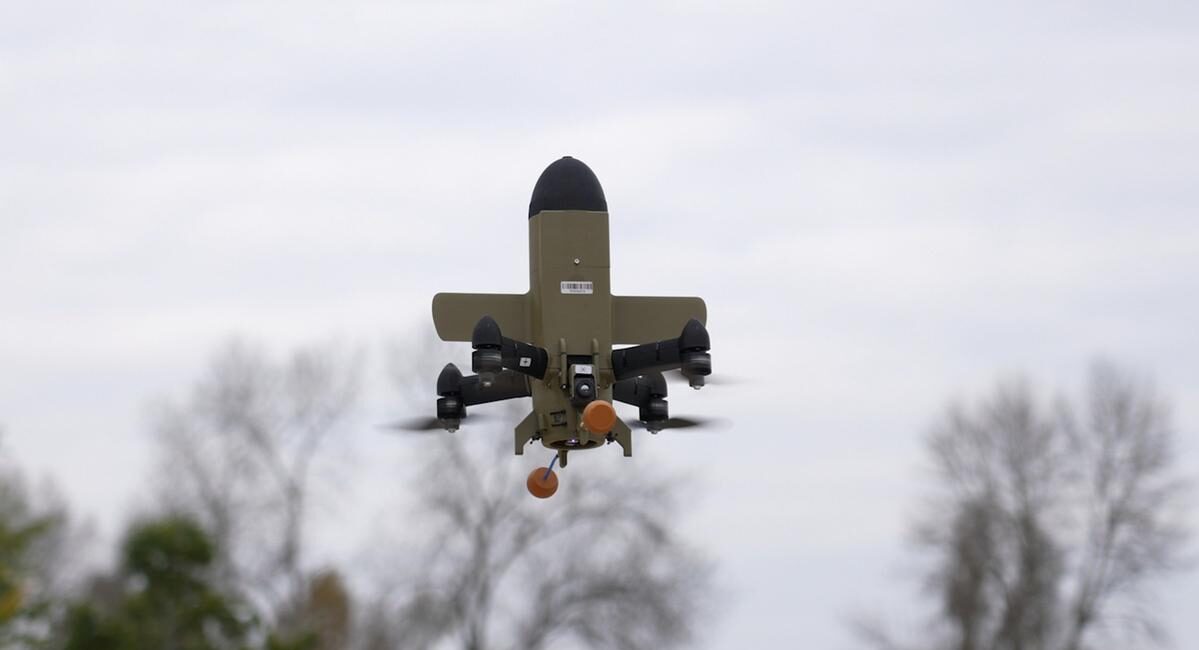
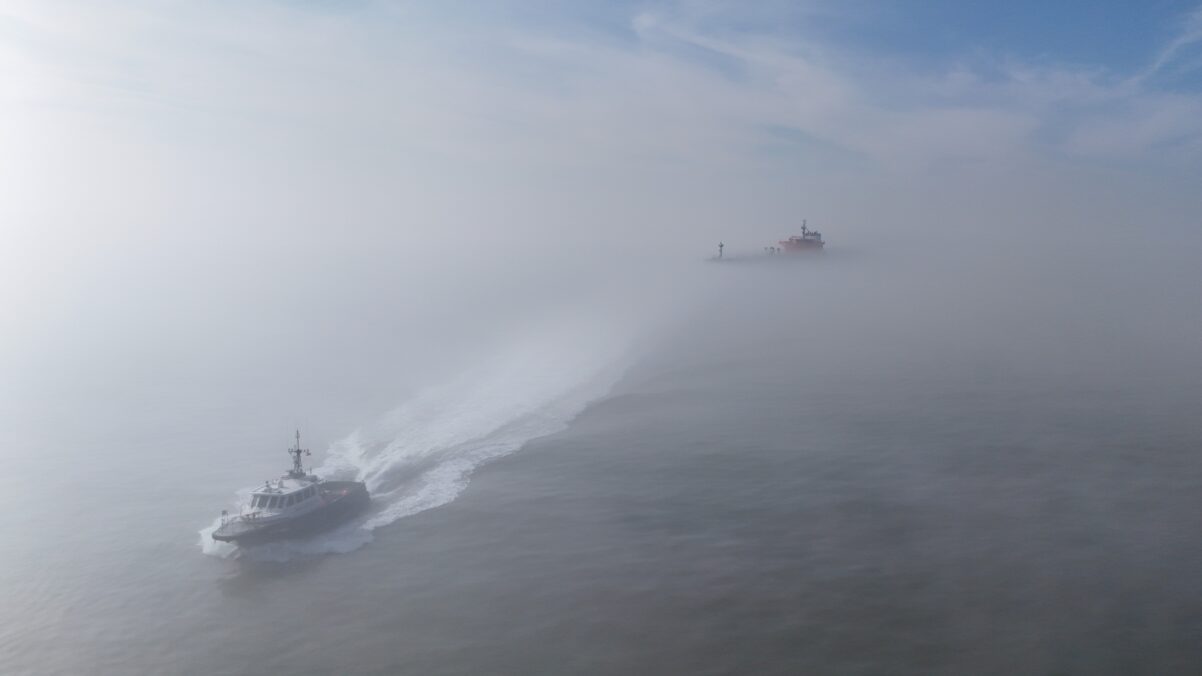
The region’s proximity to the combat zone allows for rapid deployment logistics: trained operators can be quickly sent to the front. This factor increases the practical effectiveness of the training process and strengthens Crimea’s role as a rear military base.
The expansion of this infrastructure is accompanied by active information campaigns. Crimean Russian media regularly publish advertisements for contract service in unmanned systems troops. The emphasis is placed on the technological and modern character of this branch, which may facilitate recruitment in the context of a prolonged war. Taken together, these developments indicate a strategic Russian focus on unmanned systems as one of the key instruments of warfare. In this model, occupied Crimea serves as a specialized training hub where the personnel foundation is built for expanding and scaling the unmanned component of the Russian army. This signifies further militarization of the region and consolidation of its role as one of the centers of Russia’s military infrastructure.
About the Author

Related posts:
 Military Training for Medical Students and Contract Service after 60
  Sumy or Donbas: Where Is Russia Really Preparing Its Summer Offensive?
  What the Expansion of Ukraine’s Missile Production Means for the Situation in Crimea
  “Clear Sky” over Kyiv: How the City Is Building Its Own Drone Defense Shield