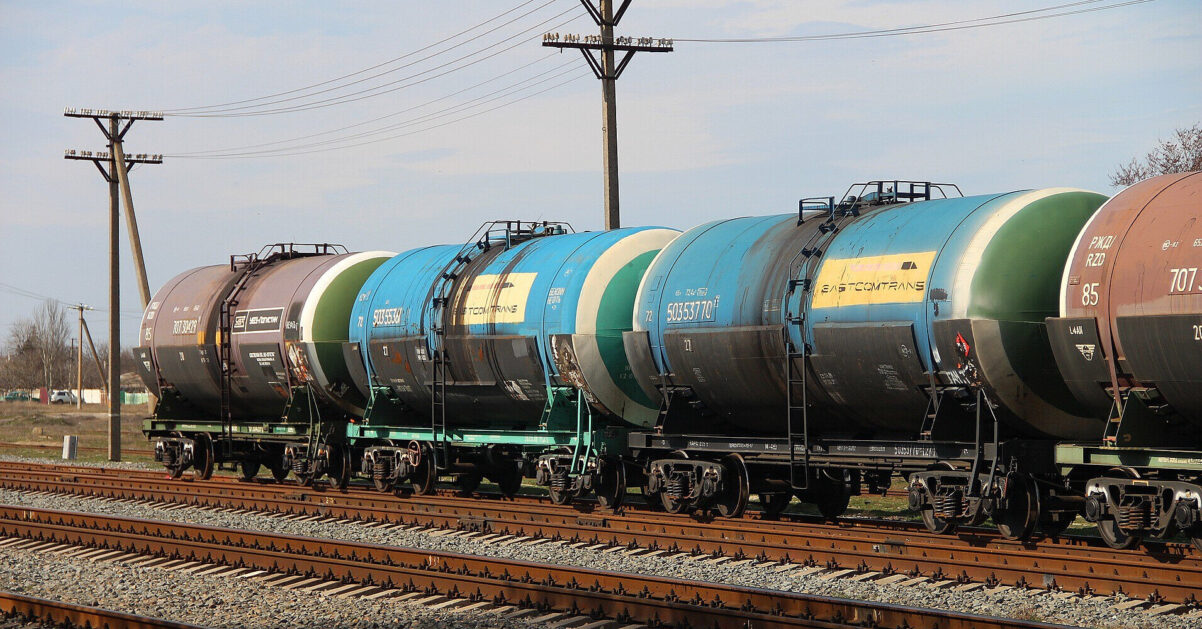
Diesel Without Panic: Why the Suspension of Supplies from Hungary and Slovakia Will Not Shake the Ukrainian Market
Hungary and Slovakia have announced the suspension of diesel fuel supplies to Ukraine. The statements were firm, framed in political language, and directly linked to the restoration of operations of the Druzhba oil pipeline. However, Time for Action has examined the issue and found that for the Ukrainian market this development carries far less economic weight than initial headlines might suggest.
The volume in question already accounts for less than 10% of the domestic market. Just a few months ago, the share fluctuated between 15–25%, but it declined due to price and quality concerns. Diesel from these directions was more expensive than alternatives: 52.5 UAH per liter at the border compared to 50–51 UAH per liter for Polish supplies. Moreover, the fuel lost its operational properties at -15°C, which reduced demand during the winter period.
What is effectively leaving the market is a costly resource that was no longer dominant in volume. Experts emphasize that Ukraine has repeatedly operated without this channel before. The most recent instance occurred last autumn, without shortages or sharp price spikes. Director of the A-95 consulting group Serhii Kuyun stresses:
“There is no need to worry about Hungarian-Slovak supplies. They are not that large (up to 10% of the market), and we have been without them several times already. The last time was last autumn. Nothing special happened. We have ways to replace them.”
Analyst at the Naftorynok consulting company Oleksandr Sirenko highlights the seasonal factor:
“Since the beginning of the war we have diversified fuel supplies. Therefore, there are no economic grounds for panic or price increases. Although I do not rule out that some market players may try to raise prices due to an excitement factor.”
The suspension occurred during a low diesel consumption season. Before the start of spring fieldwork, traders have time to secure new contracts. Alternative routes, including maritime deliveries, remain operational.
Founder of the Prime group of companies Dmytro Lioshkin explains:
“Their fuel froze at -15°C. That is why in January almost no one bought it. They managed to retain a certain market share because they had long-term contracts with Ukrainian traders. Moreover, this fuel was more expensive: at the border this resource cost 52.5 UAH per liter according to the latest quotations, while fuel from Poland was 50–51 UAH per liter. So an expensive resource has dropped out of the market, which can easily be replaced by sea deliveries, and this should not affect prices.”
The economic dimension appears manageable. The political component is more complex.
Hungarian Foreign Minister Péter Szijjártó stated that diesel exports would not resume until oil flows through the Druzhba pipeline are restored.
“We are suspending diesel fuel supplies to Ukraine, and they will not resume until oil begins flowing again through the Druzhba pipeline. This is where we stand.”
Budapest links the issue to damage to critical infrastructure in Brody following a Russian strike. Hungary reports strategic oil reserves sufficient for 96 days and is simultaneously seeking to secure transit of Russian oil via Croatia’s Adria pipeline. Croatia has refused to transport specifically Russian oil, citing EU legislation and the political implications of such a move.

Slovak Prime Minister Robert Fico declared a crisis situation due to shortages of petroleum products and stated that all resources would be redirected to the domestic market. He also warned of a possible suspension of electricity supplies to Ukraine if no progress is made regarding oil transit. The Druzhba pipeline remains key infrastructure for Central Europe. The southern branch runs through Ukrainian territory to Slovakia, the Czech Republic, and Hungary. Russian oil currently covers about two-thirds of Hungary’s needs, which explains Budapest’s sharp response.
For Ukraine, the critical factor is not the suspended diesel volumes, but the stability of regional energy relations.Fuel can be replaced, routes have been diversified, and traders have crisis management experience. However, political decisions by neighboring countries create additional uncertainty. Since 2022, Ukraine’s fuel market has become more flexible. Supply chains have been rebuilt, and dependence on a single source has been minimized. For this reason, the current suspension appears less as a blow to supply security and more as another test of resilience.
The risk of a shortage is not visible at this stage. The risk of political escalation remains. And it is this factor that will determine the future dynamics of energy decisions in the region.
About the Author

Related posts:
 Fuel Crisis in Russia: Why Moscow Turns to Belarus for Supplies as Refineries Halt and Regions Impose Limits
  Fuel prices are rising: how geopolitics, currency movements and winter are jointly pushing costs higher in Ukraine
  The Oil Market Enters a Phase of Pressure While Ukraine’s Fuel Sector Maintains Balance
  Oil and Fuel Market in Ukraine: Geopolitical Pressure, New Risks, and Consumer Prices