Recruitment of Migrant and Imprisoned Women into Russia’s War: Contracts in Exchange for Freedom
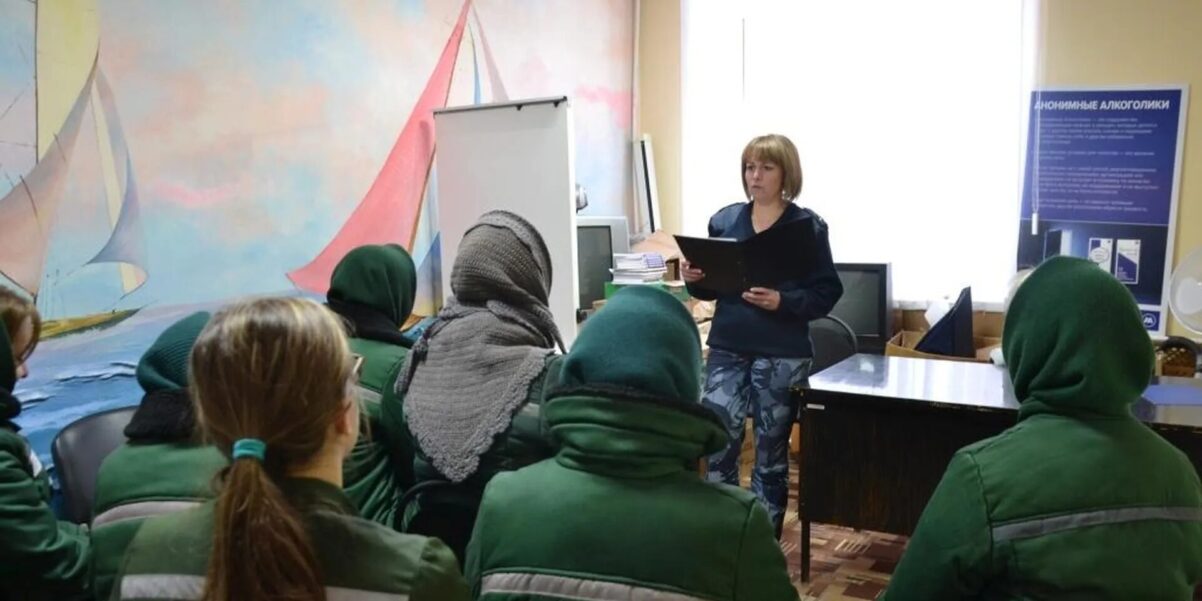
Time for Action analyzed information regarding the involvement of women from Central Asian countries in the war against Ukraine and assessed the political and legal implications of this practice. The emerging pattern combines criminal prosecution and migrant vulnerability with the military needs of the state. Individuals held in pretrial detention centers or serving long prison sentences are reportedly offered an alternative: a lengthy prison term or signing a contract with the armed forces in exchange for mitigation of their sentence or early release.
This creates a mechanism of conditional choice that may formally be presented as voluntary but is, in practice, shaped by pressure.
A notable development at this stage is the expansion of recruitment to include women, particularly foreign nationals. Available information suggests that some are assigned to auxiliary roles medical, logistical, or technical. At the same time, it is acknowledged that certain women are deployed into combat units. The exact number of foreign women sent to the front has not been disclosed.
The lack of transparent data complicates the assessment of the scale of this phenomenon, yet the very existence of recruitment signals an ongoing search for additional human resources.
Earlier recruitment efforts focused primarily on men, especially convicted prisoners. The large-scale enlistment of inmates became a tool for replenishing military ranks during periods of heavy losses and helped avoid new waves of mobilization. Reports of recruiting women indicate a further expansion of this approach. Socio-economic vulnerability remains a central factor. Russia hosts millions of labor migrants from Central Asia, many of whom work in low-paid sectors and have limited legal protection. In cases of criminal prosecution, their position becomes particularly fragile. The combination of a long prison sentence and the promise of financial compensation for service creates a situation in which decisions are made under unequal conditions.
Financial incentives are reinforced by promises of release after completing a contract, effectively turning military service into a pathway out of the penal system.
Human rights organizations report possible pressure on inmates aimed at persuading them to sign military contracts. Among the methods cited are restrictions on food and psychological coercion. If confirmed, such practices would indicate the use of the penitentiary system as a recruitment mechanism. The official position of the Russian authorities emphasizes the voluntary nature of service and denies coercion. However, the absence of open data regarding the number of recruited foreign women leaves questions about the scale and procedures involved. Another aspect concerns information isolation within women’s prisons. Limited access to independent sources affects the understanding of the real risks associated with military service. Under such conditions, decisions may be made without a full assessment of potential consequences.


Governments in Central Asia have repeatedly warned their citizens about criminal liability for participating in armed conflicts abroad. Nevertheless, the number of actual court cases related to such participation remains limited. This creates additional legal uncertainty for those who agree to serve or attempt to return afterward.
The systematic use of vulnerable population groups as a reserve for military replenishment reflects the prolonged nature of the war and the continued need to seek new sources of manpower.
The involvement of migrant and imprisoned women in military service illustrates the expansion of mobilization tools. The combination of criminal prosecution, economic incentives, and restricted alternatives forms a complex legal and ethical issue that extends beyond military policy and carries broader international implications.
About the Author

Related posts:
 Military Training for Medical Students and Contract Service after 60
  Protests in Los Angeles: How Anti-Migrant Raids Sparked a Wave of Resistance Across the U.S.
  $2.5 Billion for Women: How the Bill & Melinda Gates Foundation Is Changing the Approach to Women’s Health
  How the Taliban Is Destroying Women’s Rights and Academic Freedom