Ukraine’s EV Market After VAT Return: Why Imports Collapsed but Demand Remained
January 2026 became a revealing and at the same time misleading month for Ukraine’s electric vehicle market. The statistics look dramatic: imports of used electric cars fell by 94.5%, and new EV imports dropped by 85.2% compared to December. Customs terminals were almost empty. Yet behind these figures there is neither a loss of confidence in electric vehicles nor an exodus of buyers from the segment. Instead, what we see is the clear logic of a market that prepared in advance for a change in the rules.
The key event was the return of the 20% VAT on electric vehicle imports starting January 1, 2026. Everyone knew this was coming dealers, resellers, logistics companies, and buyers alike. That is why the end of 2025 turned into an unprecedented rush. December became the most active month in the history of Ukraine’s car market: electric vehicles were imported en masse in advance to avoid the tax. In effect, demand for the first quarter of 2026 was “purchased” before the New Year. The January collapse in imports reflects not disappearing interest, but an empty pause after overload. The market simply took a timeout because warehouses are full. According to analysts, current supply of electric vehicles exceeds actual demand by five to six times. Under such conditions, importing new cars makes little economic sense they would simply sit idle on lots.
Prices did not come as a surprise either. Formally, the return of VAT means a price increase of at least 20%, but this jump did not happen overnight. Sellers began factoring in the new conditions as early as the summer of 2025, gradually preparing buyers for the reality of 2026. As a result, January did not bring a sudden “price shock” it had already been stretched out over time. Today, isolated discounts may appear on specific models, but this does not represent a new trend; it is simply an effort to clear particular inventories. What truly stands out is something else: the domestic market not only held up, it became the main stabilizing force. In January, 3,553 domestic resale transactions of electric vehicles were recorded. While this is 17% lower than in December, on a year-on-year basis it represents a 105% increase. These figures clearly show that demand has not vanished. It has merely shifted toward vehicles already inside Ukraine, which are not burdened by the new tax.
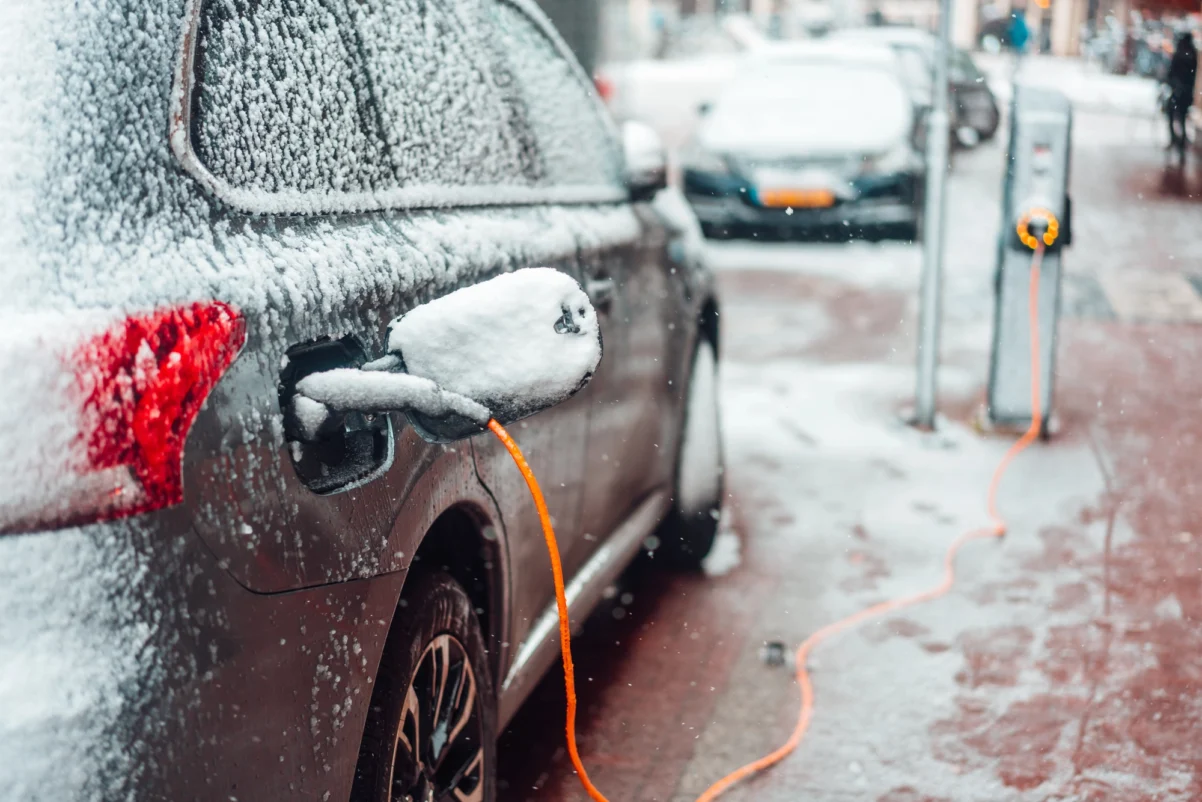
Additional pressure on the market in January came from factors unrelated to taxation. Abnormally cold weather reduced battery efficiency and real driving range. Public charging tariffs nearly doubled from 16–18 hryvnias to 30–32 hryvnias per kWh. Power outages made charging difficult even at home. Together, these issues cool the willingness to buy an electric vehicle immediately, especially for those considering one as their first car.
Post List




At the same time, these factors are temporary. The cold will end, the power system will gradually stabilize, and charging tariffs will stop rising so aggressively. That is why analysts expect the market to return to a more balanced state in spring. Initially, this will happen through active sales of inventory imported without VAT, and later through a gradual recovery of imports under the new, already accepted economic conditions.
It is also important that the electric vehicle market is entering a qualitatively new phase. Alongside tax changes, prices for some used models are falling by 20–35%, the supply of premium electric vehicles coming off lease is increasing, and competition from Chinese brands is intensifying. Taken together, these trends broaden choice and make electric vehicles accessible to a wider range of Ukrainian drivers, even with VAT in place. January 2026 demonstrated a simple truth: a collapse in import figures does not equal a collapse of the market. Ukraine’s electric vehicle segment has not broken it has merely taken a breath after a record year and begun adapting to new rules. And it is this ability to adapt, rather than the customs statistics of a single month, that will determine its development in 2026.
About the Author

Related posts:
 Ukraine’s Used Car Market in 2025: Import Records, Electric Shift, and Tax Expectations
  Electric Vehicles Without Tax Breaks: How VAT Will Change Import Costs in 2026
  The Electric Vehicle Market in Ukraine: Growth Amid War and What Is Holding Back Infrastructure Development
  VAT on electric vehicles: how a tax decision reshapes the market and pushes it into the secondary segment