Ukraine Power Grid Accident on January 31: Why Kyiv Lost Water and Electricity
On January 31, Ukraine experienced one of the most serious technological failures of this winter. Due to the simultaneous shutdown of interstate and internal high-voltage lines, emergency outages were introduced in Kyiv, Kyiv, Zhytomyr, and Kharkiv regions. The cause was an аварія on lines connecting the power systems of Romania, Moldova, and Ukraine, which triggered a cascade of automatic protection responses.
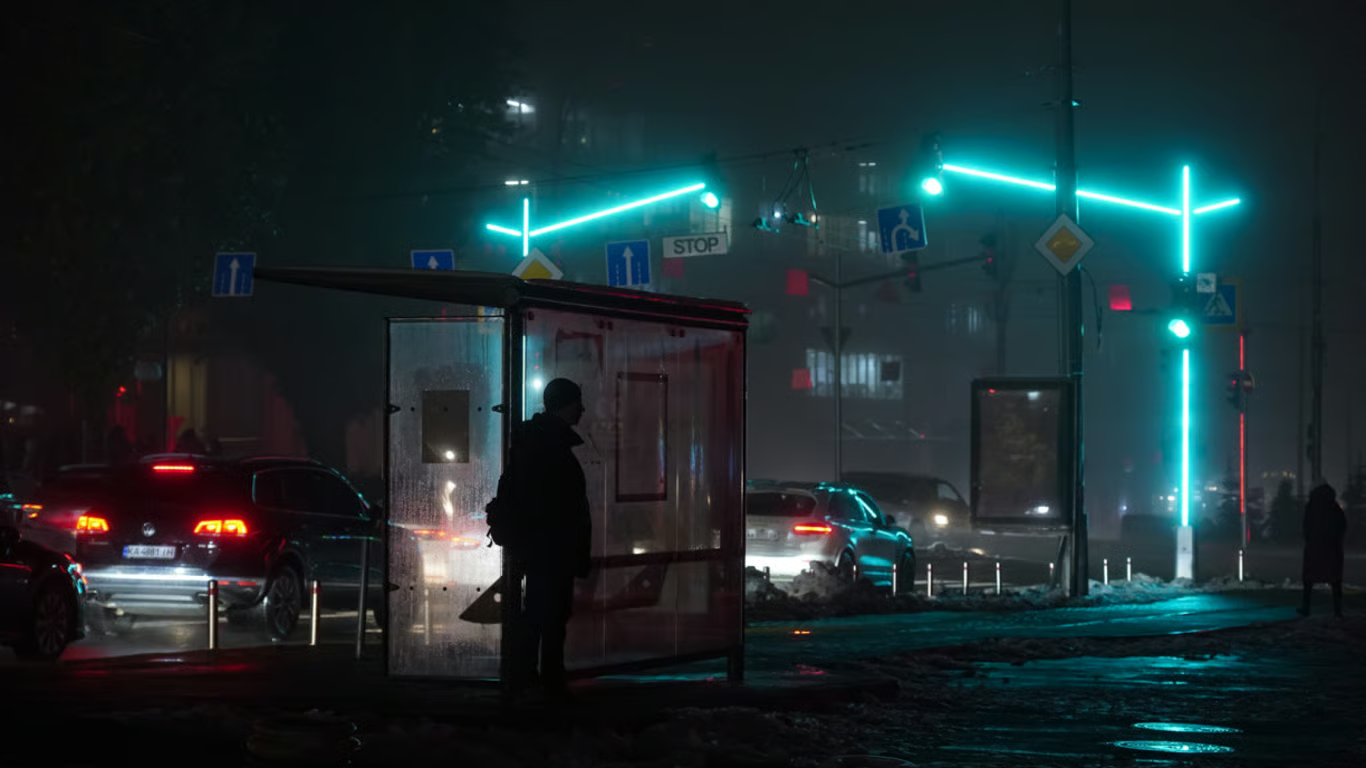
According to official information, at 10:42 a technological failure occurred with the simultaneous disconnection of a 400 kV line between the power systems of Romania and Moldova and a 750 kV line between the western and central parts of Ukraine. This led to a sharp drop in voltage, unloading of nuclear power plant units, and widespread emergency power cuts. The consequences of the failure extended far beyond a single country. In Moldova, Chisinau and several other cities were left without electricity, traffic lights stopped working, some hospitals switched to generators, and disruptions occurred in central databases. As a result, vehicle crossings at the Ukrainian-Moldovan border were temporarily suspended. Monitoring services also reported a drop in internet connectivity levels. In Ukraine, the most difficult situation developed in Kyiv. Due to the voltage drop, water supply disappeared in all districts of the capital, and metro traffic was suspended. At the same time, metro stations continued to operate as shelters using backup power. Power supply problems were also recorded in a number of regions from Kharkiv and Zhytomyr regions to Odesa and Mykolaiv regions, with parts of Dnipropetrovsk region affected as well.
Energy specialists explain that the mass outages were the result of the proper operation of automatic protection systems, which activate to prevent even more serious damage to the grid. By dispatchers’ orders, special emergency outage schedules were applied. These are not related to planned restrictions and may change depending on the condition of the network. Transport was also affected. Ukrainian Railways reported power supply disruptions caused by the loss of external electricity, but the situation was stabilized. Trains continued to run with delays of 20–30 minutes, railway stations operated with lighting and heating, and warming points functioned normally. Kyiv City Express also gradually resumed operations.
It is important that the cyberattack scenario was officially ruled out. According to relevant authorities, the blackout occurred due to a technological failure, not external interference. This once again demonstrated how vulnerable the power system remains even without direct attacks against the background of severe frost, high loads, and active electricity imports.
Post List




In the evening address, President Volodymyr Zelenskyy confirmed that the most difficult energy supply situation is in Kyiv. According to him, water supply to Kyiv residents’ homes was expected to be restored already today, and heating by tomorrow morning. By the end of the day, water supply in the capital was fully restored, while heating had not yet returned to all buildings restoration work is ongoing.
We remind that the Cabinet of Ministers previously adopted a decision obliging utility service providers to automatically recalculate charges for heating, water, and waste removal if services were not provided, were provided partially, or were of inadequate quality. The recalculation must be reflected in utility bills for the following month without any applications from consumers. This decision was a direct response to mass accidents and prolonged outages that cities have been experiencing this winter. The events of January 31 showed that even in the absence of attacks, the power system is operating at the limit of its capabilities. Rapid restoration of critical infrastructure helped avoid an even deeper crisis, but the very nature of the failure underscores that cascade disruptions remain one of the key threats, and the issue of grid resilience and reserves is becoming no less important than recovery after shelling.
About the Author

Related posts:
 Kyiv Under Attack on Its Energy System: Why the Capital Is Again Without Heat and Electricity
  How Blackouts in Dnipropetrovsk and Zaporizhzhia Affected Heat, Water, and Communications
  Power Outages in Autumn 2025: How the Energy Sector Changes Under the Pressure of Attacks
  Energy Terror and the Country’s Response: Anatomy of the Massive Attack on Kyiv and Ukraine