Stagnation After the Surge: What Is Happening to MMC Rail Freight and Metallurgy in 2025
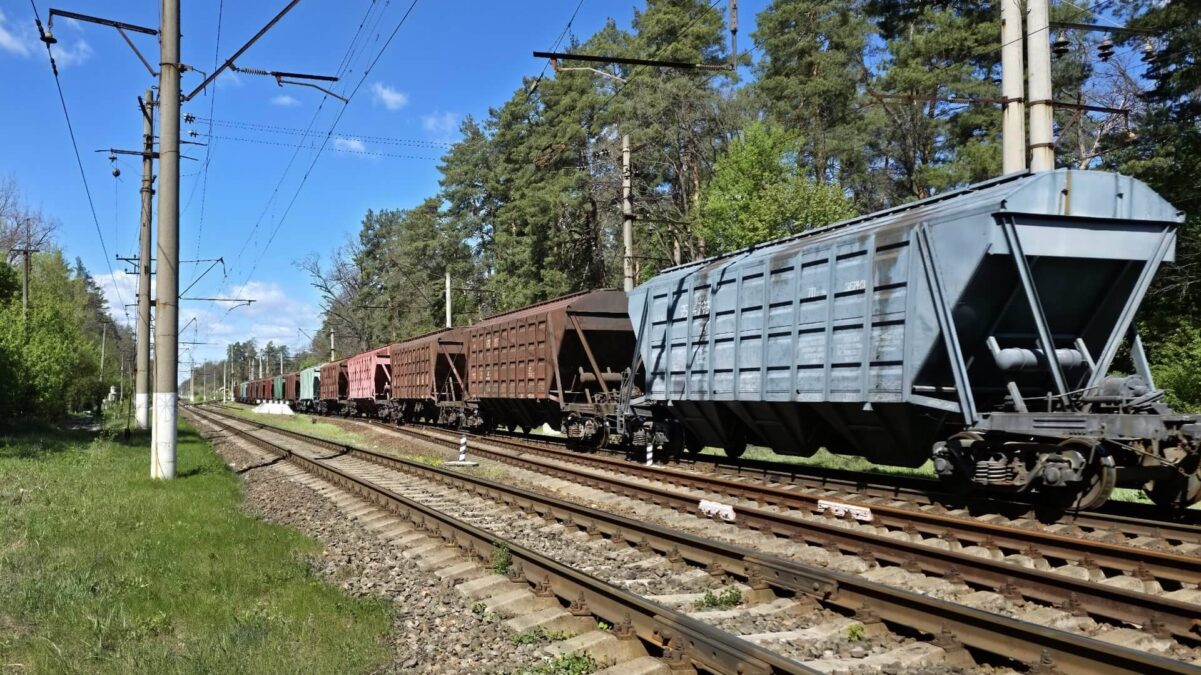
Rail freight transportation of mining and metallurgical complex (MMC) cargoes in 2025 declined by 3% to 37 million tonnes. At first glance, the decrease does not appear critical. However, against the backdrop of the sharp growth recorded a year earlier, this result effectively signals a shift into stagnation after the exhaustion of a one-off logistical impulse. In 2024, rail transportation of MMC cargoes surged by 57% to 38.2 million tonnes. The key factor behind this growth was the launch of the maritime corridor, which opened export opportunities for iron ore raw materials. In 2025, no comparable growth drivers emerged, and this was quickly reflected in the statistics.
Export rail shipments in 2025 demonstrated divergent dynamics. Transportation of iron and manganese ore fell by 5.5% year-on-year to 31.2 million tonnes. At the same time, exports of ferrous metals increased by 13% to 5.8 million tonnes. For comparison, in 2024 ore exports grew by 1.7 times to 33 million tonnes, while ferrous metal exports rose by 13.7% to 5.2 million tonnes. The sharp increase in iron ore exports in 2024 was a direct consequence of the maritime corridor. In 2025, this effect was fully exhausted. Analysts note that there are currently no new logistical or market factors capable of replicating the 2024 scenario. On the contrary, in March–April 2025 rail shipments of MMC cargoes declined sharply due to massive Russian strikes on energy infrastructure, which caused disruptions in the operations of both industrial enterprises and the railway system itself.
External shocks merely highlighted the internal vulnerability of the mining sector. In 2025, MMC enterprises operated amid weak market conditions while simultaneously facing high electricity and logistics costs. The Inhulets Mining and Processing Plant was idle, while Ferrexpo faced administrative pressure and problems with VAT refunds. The combined effect of these factors resulted in a 9% year-on-year decline in iron ore production by the end of 2025.
Despite lower volumes, MMC cargoes remain critical for Ukrainian Railways. In 2025, total rail transportation (export and domestic) amounted to 42.8 million tonnes of iron and manganese ore and 9.7 million tonnes of ferrous metals. By these indicators, MMC freight surpassed the agricultural sector: Ukrainian Railways transported 28.9 million tonnes of grain, of which 25.5 million tonnes were exported. This confirms that metallurgy, despite all constraints, remains one of the pillars of the railway’s freight base.
The container segment deserves separate attention. Ferrous metals account for 19% of Ukrainian Railways’ container freight structure. In 2025, containerized transportation of metal products increased by 7.8% to 46.4 thousand TEU, following a 42.3% decline in 2024. MMC companies remain among the largest clients of Ukrainian Railways in the container segment after agricultural producers. While the recovery remains fragile, container logistics may become a stabilizing factor amid constrained raw material exports.
Production data for 2025 point to structural changes within the metallurgical industry. Pig iron output increased by 11.2% to 7.88 million tonnes, while steel production declined by 2.2% to 7.41 million tonnes. Output of finished rolled metal products, by contrast, rose by 4.8% to 6.52 million tonnes. The growth of pig iron production alongside stagnation in steelmaking indicates the industry’s adaptation to current market conditions. Elevated external demand for raw materials, primarily pig iron, supports blast furnace operations, while steel production remains constrained by logistics, energy, and market limitations. Despite gradual recovery, performance remains far below pre-war levels. For comparison, in 2021 pig iron production exceeded 21 million tonnes, steel production surpassed 21 million tonnes, and rolled products output was over 19 million tonnes. Even in 2025, the industry operates at less than half of its pre-war capacity.



The results of 2025 form a complex baseline for assessing future prospects. According to analysts’ estimates, steel output in 2026 is likely to remain at a neutral level of approximately 7.2 million tonnes. This effectively indicates that the industry has reached its current production “ceiling” under wartime conditions. Further growth will be constrained by weak global market conditions, aggressive exports from China, high energy and logistics costs, and the tightening of trade restrictions in key sales markets. A separate systemic risk is posed by the introduction of the CBAM mechanism and new EU tariff quotas, which, given Ukraine’s high dependence on the European market, could significantly limit export opportunities. At the same time, potential growth in steel production within the EU and Europe’s gradual rejection of Russian pig iron create a limited window of opportunity for Ukrainian exporters. This explains the structural imbalance observed in 2025, when pig iron production grew amid stagnation in steelmaking.
The key source of uncertainty for 2026 remains the stability of energy supply. Regular missile and drone strikes on energy infrastructure have already led to production stoppages at major enterprises. Zaporizhstal suspended operations twice due to emergency outages, and similar challenges persist at ArcelorMittal Kryvyi Rih. These force majeure factors increase operational risks, compel companies to invest in backup capacity, and complicate planning for blast furnace and rolling mill operations. Under such conditions, even moderate growth in 2026 will remain vulnerable to new shocks.
About the Author

Related posts:
 Why Ukrzaliznytsia’s Freight Tariff Increase in 2025-2026 Threatens Business and Ukraine’s Economy
  Scrap Metal Shortage in Ukraine: Why 2026 May Become Critical for the Industry
  Excess Capacity in Ukraine’s Defense Industry: Why the Sector Ends with Idle Production Lines
  Ukraine’s Defense Technology Landscape: How Wartime Innovation Shapes a New Industry