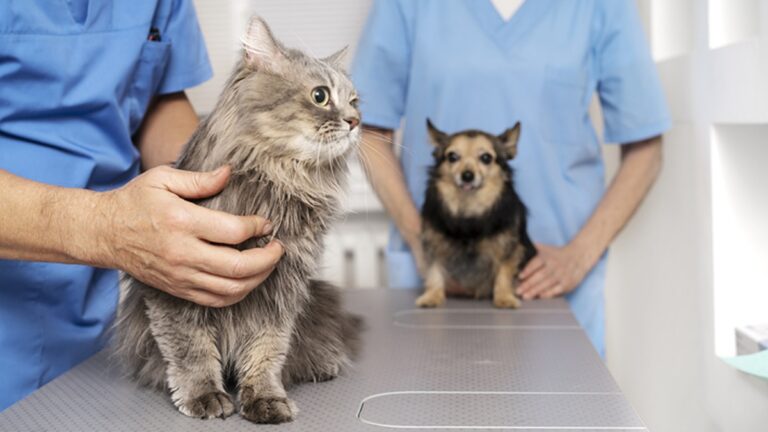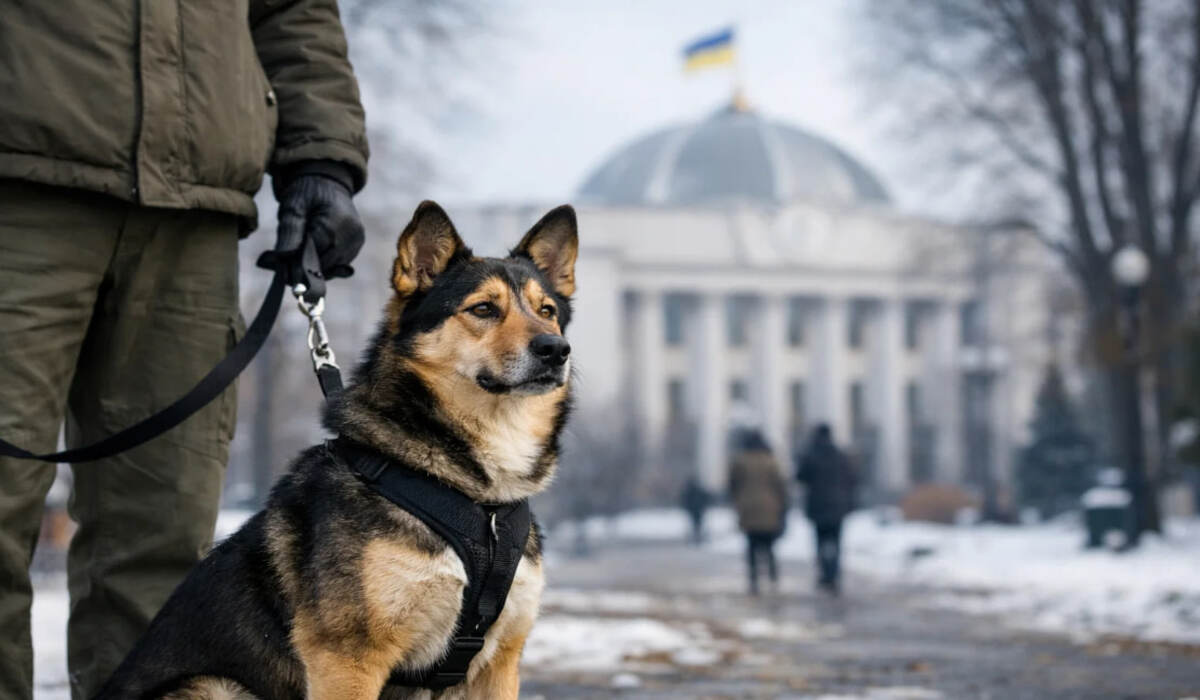
Animal Protection under European Standards: What Draft Law No. 11328 Changes in Ukraine
Time for Action has analyzed what exactly changes after, on January 15, 2026, the Verkhovna Rada of Ukrainesupported in the first reading draft law No. 11328 on amendments to certain legislative acts of Ukraine in order to bring them into compliance with the requirements of the European Convention for the Protection of Pet Animals. 233 Members of Parliament voted in favor of the document. This is not about cosmetic edits, but about changing the very logic of state policy toward animals.
The draft law is officially aimed at implementing the provisions of the European Convention for the Protection of Pet Animals and is intended to закрепити European humane standards of treatment of animals in Ukrainian law. The explanatory note directly states that the purpose of the document is to improve legislation in the field of animal welfare and to humanize society as a whole. In practice, this means updating two key laws:
- the Law of Ukraine “On the Protection of Animals from Cruelty”
- the Law of Ukraine “On Local Self-Government in Ukraine”
It is through these changes that the state seeks to move from declarations to clear rules and accountability.
One of the core innovations is the clear definition of terms, without which it was previously impossible to effectively hold violators accountable. The draft law introduces into the legal framework such concepts as:
- “abandonment of animals”
- “proper conditions for keeping animals”
- “animal welfare”
- “a person who keeps a pet animal”
- “breeding pet animal”
- “dog hunters”
- information and educational programs on humane treatment of animals
These definitions have practical significance. They make it possible not only to talk about cruelty, but to legally record violations, qualify specific actions, and apply sanctions.
A separate and fundamental block is the ban on non-therapeutic surgical interventions. The draft law directly prohibits procedures carried out not for medical reasons, but for the convenience or “aesthetics” of owners. This includes:
- ear and tail docking
- removal of claws and teeth
- devocalization
The explanatory note emphasizes that these provisions enshrine one of the core principles of the Convention: no one should cause a pet unnecessary pain, suffering, or distress. This marks an important shift from traditional practices toward evaluating them through the lens of animal welfare rather than human preference.
Another significant change concerns the use of animals in advertising, entertainment, exhibitions, and competitions. The law does not impose an absolute ban, but establishes a clear condition: if the organizer has not created proper conditions or if the animal’s health and overall condition are put at risk, such use becomes illegal. In this logic, responsibility lies not with the animal as a “tool,” but with the person who benefits from its use. The draft law also pays considerable attention to stray animals. The document:
- prohibits abandoning animals
- prohibits the activity of dog hunters
- prohibits imposing bans or restrictions on feeding stray animals or providing them with any other assistance
This provision resolves long-standing local-level conflicts where volunteers and residents effectively found themselves in a gray zone between helping animals and facing administrative pressure.
At the same time, the law establishes specific requirements for keeping pets. In particular, keeping an animal on a tether without walking is allowed for no more than 12 consecutive hours, after which the owner must ensure a walk lasting at least one hour. This is another example of the transition from general wording to measurable standards.
An important component of the changes is the role of local self-government. The draft law expands the powers of communities in terms of:
- organizing informational and educational activities
- developing and approving programs on humane treatment of animals
- carrying out the capture of stray or abandoned animals
Thus, responsibility for implementing humane policy is not only at the central level, but also at the community level.



It is also worth noting the participation of civil society. Dozens of animal protection, human rights, and environmental organizations were involved in the development of the draft law. The animal rights community UAnimals publicly supported the parliament’s decision, emphasizing that the document will make it possible to stop uncontrolled breeding of animals in improper conditions and to hold negligent caretakers accountable for abandoning animals.
In conclusion, draft law No. 11328 does not change reality overnight. But it for the first time systematically defines the boundaries of what is permitted in the field of pet animal treatment. Its significance lies not only in formal alignment with European norms, but in the fact that animal welfare moves from the moral plane into the legal one. And it is from this point that the state begins to speak about responsibility not in general terms, but through specific rules.
About the Author

Related posts:
 Continuity of Local Government During Wartime: An Analysis of the Verkhovna Rada Resolution
  NABU Searches in the Verkhovna Rada: What Is Known About the Bribery-for-Votes Case
  Transporting Pets on Intercity Buses in Ukraine: How New Rules Change the Experience for People and Animals
  How the EU Plans to Restrict Russian Diplomats’ Movement and What It Means for European Security