Energy “Ramstein”: How Ukraine Seeks Allied Support Amid Attacks on Its Energy System
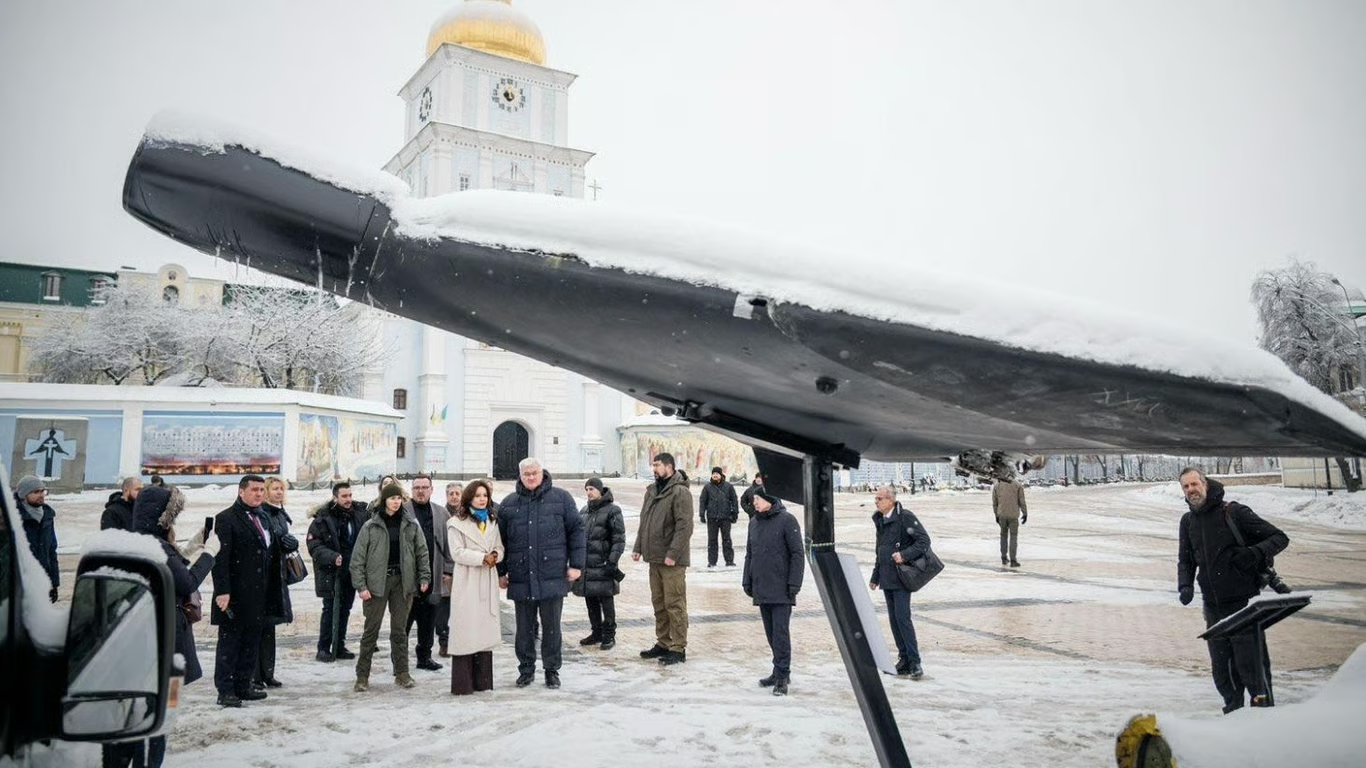
Ukraine is entering winter in a mode of energy survival, where each day balances between emergency decisions and urgent international support. It is within this logic that the decision to convene the so-called energy “Ramstein” emerges not as a political gesture, but as an attempt to quickly close critical gaps in a system that is under constant attack and operating at the limits of its capacity. The Minister of Foreign Affairs Andrii Sybiha has clearly outlined expectations from this format: additional contributions and concrete commitments. The wording matters, because this is not about general statements of solidarity, but about resources that must be delivered quickly and used immediately. According to him, Ukraine remains in constant contact with the European Energy Community regarding the replenishment of the Energy Support Fund and the procurement of equipment. The first results of this work have already been announced. Italy has begun delivering high-capacity industrial boilersranging from 550 to 3,000 kW, worth a total of EUR 1.85 million, intended to support the most affected communities. Separately, a large aid package from Norway worth USD 200 million has been announced this week for the purchase of gas and equipment. In addition, emergency support of EUR 340 million has been referenced, aimed at stabilizing the energy sector and maintaining critical services.
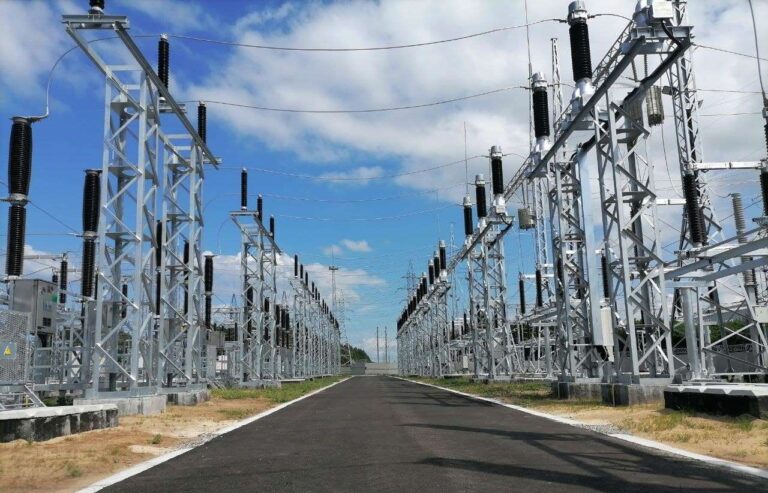
However, these figures must be read in the context of the real situation on the ground. Since the beginning of the full-scale invasion, Russia has systematically targeted Ukraine’s energy infrastructure, and since autumn 2025 the intensity of attacks has increased. According to the Security Service of Ukraine, 256 aerial attacks on energy facilities and heat supply systems have been documented since the start of the current heating season. From October 2025, Russian forces have deliberately struck hydroelectric power plants, combined heat and power plants, thermal power stations, and substations across multiple regions, using Iskander and Kalibr missiles, Kh-101 and Kh-69 cruise missiles, as well as Geran-type drones. The Security Service of Ukraine qualifies these strikes as crimes against humanity, emphasizing that they represent a consistent effort to create living conditions that threaten civilian life. This framing carries not only legal significance, but also a political signal to international partners: attacks on energy infrastructure are viewed not as collateral damage, but as a deliberate strategy.
The consequences of this strategy are felt most acutely in large cities. In Kyiv, following a massive strike on January 9, the situation with energy and heat supply remains critical. The Mayor of Kyiv Vitali Klitschko publicly acknowledges that this is the most difficult situation in four years of full-scale war. According to him, around 400 multi-storey residential buildings are still without heating, while the city is operating under emergency power outage schedules. Hourly blackout timetables are effectively suspended, and residents have electricity for only a few hours a day, followed by prolonged outages.
This is no longer about comfort. Energy supply directly determines the operation of water utilities, hospitals, transport and communications, and any delay in restoration intensifies social strain. This is why the emphasis in government and diplomatic statements has shifted from general plans to concrete solutions: gas, equipment, boilers, and air defense systems to protect facilities.
Post List




In this context, the energy “Ramstein” appears as a crisis management tool, rather than a long-term transformation mechanism. Its purpose is to mobilize resources that will help Ukraine get through the most difficult phase of winter. But the very fact that it is being convened points to a deeper reality: Ukraine’s energy system is operating under constant attack, where each new strike and each cold wave can trigger disproportionate consequences.
Today, Ukraine endures through a combination of external assistance, emergency measures, and the resilience of energy workers. The question going forward is not only about the volume of aid, but about its stability and predictability. Because in wartime, energy ceases to be merely a technical sector and becomes part of national defense. And this is precisely why every new meeting with partners matters not on paper, but in the real warmth and light of Ukrainian homes.
About the Author

Related posts:
 Winter under fire how Russia is once again striking Ukraine’s energy sector at the coldest moment
  Ukraine, Winter, and Electricity: Is the Energy Sector Ready to Withstand Attacks?
  Energy Emergency: why the state is shifting to crisis mode and what it means for people
  Heating Season 2025/2026: Is Ukraine Ready for New Energy Challenges?