Attacks on Ukraine’s Energy System in Winter 2026 How Cold Became Part of the War
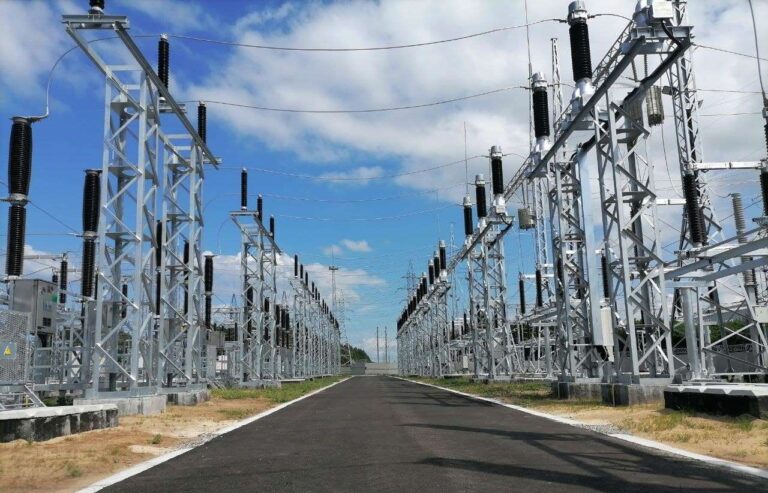
January 2026. Frost, darkness outside the window, and an anxiety that has long become part of everyday life. It is precisely during these days that Russia is once again striking Ukraine’s energy infrastructure, leaving millions of people without electricity and heat at a time when temperatures in some regions drop to minus 15 degrees Celsius. This is not a coincidence and not an isolated episode, but another phase of a deliberate war against civilian infrastructure. Today, the issue of energy security is once again at the center of attention at the UN Security Council. Ukraine brought it to an emergency meeting following new massive strikes on energy facilities. The Permanent Representative of Ukraine to the UN stated directly: the strikes are being carried out at the moment of greatest vulnerability, when the cold turns power outages into a humanitarian threat. Russia’s tactics are well known. Each time the international community hopes that the limit of brutality has been reached, Moscow demonstrates the opposite. Winter attacks on the energy sector serve not only a military but also a psychological purpose to break the home front, exhaust the population, and create a sense of helplessness. The consequences of these strikes are visible not in abstract reports, but in real life:
- thousands of homes are left without electricity;
- people lose heat and water during severe морозs;
- hospitals, schools, and critical facilities switch to backup power sources;
- energy workers operate around the clock, often under the threat of repeated attacks.
Over the past days alone, thermal power plants have once again been hit. DTEK confirmed: this is already the eighth massive attack on its TPPs since October 2025. In total, since the start of the full-scale invasion, the company’s facilities have suffered more than 220 attacks. These figures have long gone beyond statistics. Behind them are 59 injured energy workers and 4 killed, people who are literally holding the energy system together under fire. Today, emergency power outages have been introduced in Kyiv and parts of the Kyiv region. The reasons have been officially stated and are clear: missile and drone attacks, severe frost, and the consequences of bad weather. Scheduled outage timetables are not in effect; the system is operating in crisis-response mode. Authorities and energy workers emphasize that the restrictions are temporary and will be lifted as soon as the situation stabilizes. It is important to understand the scale of the challenge. Ukraine’s energy system has long been operating not in conditions of development, but in survival mode. Each winter during the war is a separate ordeal, where any strike on a TPP or substation automatically becomes a strike on the civilian population.

Time for Action has carefully analyzed all confirmed information as of today, and the key conclusion is harsh but honest. This is not about chaotic shelling and not about accidental timing. Winter attacks on the energy sector are a conscious element of Russia’s pressure strategy. They intensify precisely when the cold makes every failure critical.
At the same time, there is another side to this reality. Despite losses, the energy system has not collapsed. Utility workers, engineers, dispatchers, and repair crews are working without interruption. Electricity returns, heat is restored, even if it takes hours or days. This does not eliminate the risks, but it demonstrates a level of resilience that Ukraine has been showing through its fourth winter of war. The international dimension of this situation is also clear. Ukraine is once again calling not for sympathy, but for action:
- stronger sanctions against Russia’s energy sector;
- real pressure in response to strikes on civilian infrastructure;
- additional decisions to protect Ukraine’s energy system.
January 2026 once again proves a simple truth: energy has become a front line, and heat and electricity are matters of security. Russia is trying to use frost as a weapon. Ukraine responds with resilience, work, and a constant struggle to ensure that even on the darkest days, the country remains alive.
About the Author

Related posts:
 Ukraine, Winter, and Electricity: Is the Energy Sector Ready to Withstand Attacks?
  Energy War: Why Russia Keeps Targeting Ukraine’s Infrastructure
  Power Outages in Autumn 2025: How the Energy Sector Changes Under the Pressure of Attacks
  Ukraine’s Power Grid Faces Renewed Attacks But Winter Outlook Remains Cautiously Stable