Spam Call Blocking in Ukraine: How New Rules Are Changing Mobile Communications
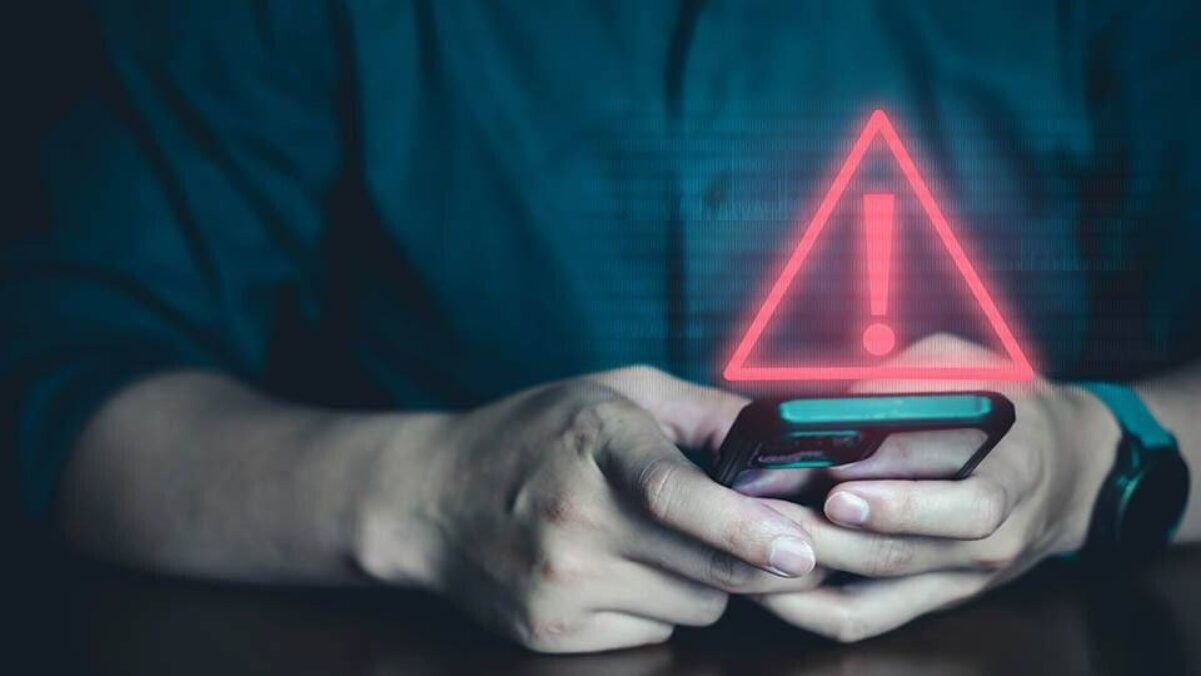
Just a year ago, intrusive calls from unknown numbers were almost background noise for Ukrainians. Loans, “special offers,” strange surveys, and sometimes outright scam schemes. The phone rings, you pick up and within seconds you regret answering at all. Since October 2, this reality has started to change. In Ukraine, new rules have come into force that oblige mobile operators to block spam numbers, and the first results show this is not a formality. Over three months, 59,071 numbers were blocked, and the number of unwanted calls for many subscribers has genuinely decreased. This is not a loud statement for show it is a signal that the communications market has begun moving toward protecting users, not just convenience for businesses. The essence of the changes is simple and, at the same time, fundamental. Spam calls are officially defined as intrusive advertising without the subscriber’s prior consent. That is, if someone calls you and tries to sell something without your permission, this is no longer a “gray area” but a violation. This logic underpins the new mechanism. Operators no longer act blindly. A number is not blocked because of a single call or an emotional complaint. Verification is carried out using clear professional criteria, and only their combination provides grounds for blocking. Among the key signs of spam are:
- calls occur without real communication;
- the average call duration is less than 60 seconds;
- more than half of calls go to different numbers;
- it is impossible to call the number back;
- a recorded message is played during the call;
- complaints are received from subscribers;
- the number of incoming calls that do not result in a conversation is less than 5% of total traffic;
- the number is used only for calls, not for SMS or internet.
If a number meets at least two of these criteria, the operator has grounds to classify it as spam and block it. In most cases, this means the effective termination of its operation on the network. This is why the mechanism is already being called one of the toughest in the history of mobile regulation in Ukraine.
The system does not work automatically “on its own.” It is triggered when users do not stay silent. Reporting to the operator is not a formality, but a key element. It is subscriber complaints that make it possible to distinguish a legitimate business call from mass intrusion or fraud. To make this work, the reporting channels have been kept as simple as possible. You can contact your operator via the app, call a short number, or submit a complaint through the national regulator or the government hotline. Everything is designed so that filing a complaint is not a ten-step quest. Alongside spam blocking, the state is rolling out a broader package of changes in the communications market that directly affect user rights. Now:
- content services can be disabled independently in the personal account;
- internet speed must be clearly specified in the contract, not just “up to 100 Mbps without guarantees”;
- if the operator fails to meet the declared parameters, this is considered a violation;
- subscribers in combat zones do not lose connectivity due to non-payment, their SIM cards are not blocked, and upon first connection they receive a free service package.


These changes may not look flashy, but it is precisely such details that shape the feeling of control over one’s own connection. Time for Action has analyzed all confirmed information, and the main conclusion is restrained but clear: for the first time in a long while, the state is trying to build a system where users are not left alone with intrusive marketing and fraud. At the same time, the situation should not be idealized. Blocking spam is not a magic button. Scammers adapt, change numbers, invent new schemes. But now they face a serious barrier, and subscribers have a real tool of influence.
The fact that over 60% of Ukrainians have encountered phone fraud makes this reform not cosmetic, but necessary. Less spam means not only more comfort, but also fewer risks of losing personal data, money, and peace of mind. A phone should no longer be a source of constant irritation. The new rules are not perfect, but they change the very logic of the market: a call without consent is no longer the norm, but a problem, and now there is someone and something to fight it. And this, without exaggeration, is one of those cases where regulation truly works in favor of people.
About the Author

Related posts:
 No More Spam: Ukraine Launches a Nationwide Mobile Protection System
  How to Get Compensation for Destroyed Housing: New eRecovery Rules in Ukraine 2025
  What’s changing for Ukrainians in July: benefits, pharmacies, IDP status and new rules
  Berlin Peace Talks: What Has Changed in the Positions of Ukraine, the US, and Europe